What is a Usb Car Charger and How Does It Work?
A USB car charger is an essential gadget for modern drivers. As technology advances, we rely on our devices for navigation, entertainment, and communication. However, using these devices drains their batteries rapidly. Here, the USB car charger plays a crucial role. It allows users to charge their smartphones and tablets on the go, ensuring they stay powered during long trips.
Not all USB car chargers are the same. They come in various designs and charging speeds. Some have single ports, while others offer multiple ports for multiple devices. The charging speed can differ significantly based on the charger’s specifications. This variance can make it challenging for consumers to choose the right one. It's important to understand the specifications before making a purchase.
Many people overlook the importance of quality in a USB car charger. An unreliable charger could damage devices over time. Investing in a trusted and well-reviewed product can prevent these issues. Remember, while a low price can be tempting, it may lead to poor performance. Taking time to research and select the best option is worthwhile.
What is a USB Car Charger?
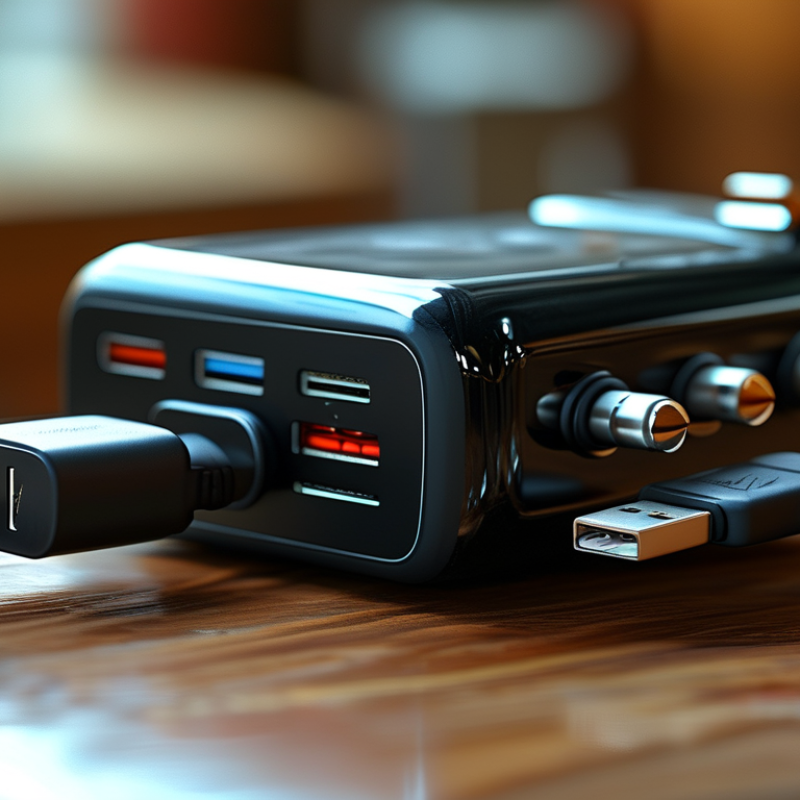
A USB car charger is a device that allows you to charge your mobile devices while driving. It connects to your car's power outlet, usually the 12V accessory socket. The charger converts this power into a suitable voltage for your devices. Most chargers have one or more USB ports for connecting smartphones, tablets, or other gadgets.
Using a USB car charger is quite simple. You plug it into the socket and connect your device with a USB cable. The charger then provides power to your device either quickly or at a standard rate, depending on its specifications. Drivers often rely on these chargers for convenience. However, some may not realize the importance of a quality charger. A cheap or low-quality charger can lead to device damage or slower charging speeds.
Different chargers vary in output, which affects charging efficiency. Higher amperage generally means a faster charge but can lead to overheating. This creates a risk for some devices. Always check compatibility before using a charger. Referring to user reviews can also guide your choices and reinforce your understanding of what works best for your devices and needs while on the road.
Components of a USB Car Charger
A USB car charger is an essential device for modern drivers. It allows users to power their electronic devices while on the road. Understanding its components helps appreciate its functionality.
The main component of a USB car charger is the adapter. This device plugs into the car's power outlet. It converts the car's DC voltage into a lower voltage suitable for charging gadgets. Typically, the output is 5 volts, which is standard for USB devices. Inside, the adapter features a circuit board that regulates the power flow. This is crucial to prevent overcharging and damage to connected devices.
Another significant part is the USB port. This is where you connect your charging cable. Many chargers come with multiple ports, allowing for simultaneous charging. Some models include smart technology that identifies the device type. It optimizes the charging speed for efficiency. Yet, not all chargers provide the same power levels. This variation can impact charging times. Users must choose wisely based on their needs. Always consider compatibility to avoid frustration.
How a USB Car Charger Works
A USB car charger is a handy device. It connects directly to your car's power outlet. With this tool, you can charge your devices on the go. But how does it work?
Inside a USB car charger, there is a step-down transformer. It converts the car's 12-volt power supply to 5 volts. This is the standard voltage for USB devices. The charger typically has a USB-A or USB-C port. You plug your device into this port. The charger detects the connected device. It then adjusts the output for faster charging. So even though your device is charging, it remains safe from power surges.
One thing to realize is that not every USB car charger is created equal. Some chargers have multiple ports. Others may charge more slowly. Over time, wear and tear can affect performance. You might find that an older charger doesn’t charge as effectively as before. Regular checks can ensure that your charging experience remains smooth and reliable.
Benefits of Using a USB Car Charger
USB car chargers have become essential for modern drivers. They offer a convenient way to keep devices charged while on the go. With the rise of smartphones and tablets, these chargers provide a reliable power source during long journeys.
One significant benefit of using a USB car charger is compatibility. Most devices today charge via USB ports. This universal design means that you can charge various devices simultaneously. It simplifies things. However, not all chargers deliver the same power output. Users must consider their needs carefully. A charger with insufficient output may slow down charging speeds, causing frustration.
Additionally, USB car chargers often come with multiple ports. This feature is particularly useful for families. Passengers can charge their devices without conflict. Cables can sometimes tangle and create confusion. Choosing a charger with clear markings and labels can help prevent this. Some models have built-in safety features, protecting devices from overcharging. However, not every charger includes this protection, so doing your research is crucial.
What is a USB Car Charger and How Does It Work? - Benefits of Using a USB Car Charger
| Feature |
Description |
| Compatibility |
Works with most smartphones, tablets, and USB-powered devices. |
| Charging Speed |
Varies by device; typically offers fast charging capabilities. |
| Port Type |
Usually includes USB-A and USB-C ports for versatile charging options. |
| Safety Features |
Includes overcurrent protection, short circuit protection, and overvoltage protection. |
| Installation |
Plugs into the car's cigarette lighter socket; no tools required. |
| Portability |
Compact and lightweight design makes it easy to carry around. |
| Price Range |
Typically ranges from $10 to $30 depending on features and brand. |
Safety Features in USB Car Chargers
USB car chargers are essential tools for modern drivers. They allow us to charge devices while we’re on the road. However, safety features in these chargers are crucial. A significant concern is overheating. A report by the International Electrotechnical Commission (IEC) highlights that over 40% of charging accidents are due to overheating issues.
Many USB car chargers are equipped with overheating protection. This feature automatically stops power flow when temperatures rise. Additionally, short-circuit protection is another vital aspect. According to a study by the Consumer Electronics Association (CEA), nearly 30% of users have experienced issues caused by faulty chargers. Short-circuit protection prevents damage to both the device and the charger.
Another essential safety feature is surge protection. This prevents damage caused by voltage spikes. A 2021 survey indicated that 22% of chargers had inadequate surge protection, risking device integrity. Choosing a USB car charger with these features can significantly enhance safety. However, users should remain cautious. Regularly check the charger for signs of wear and tear. Replacing faulty chargers can help prevent dangerous situations, ensuring a safer driving experience.