What are the Benefits of Using USB Socket in Your Devices?
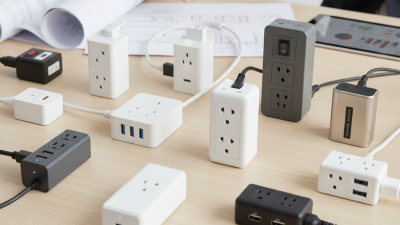
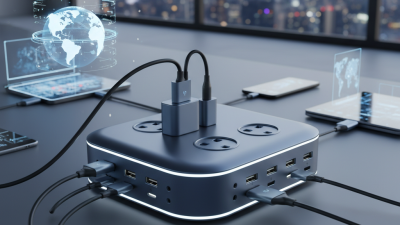
In today's digital age, the use of Socket USB has become essential. This technology provides seamless connectivity for various devices. Many people rely on USB sockets for charging and data transfer. They offer numerous benefits that enhance user experience and device performance.
The convenience of Socket USB cannot be overstated. These sockets are widely available and easy to use. They support multiple devices, making them versatile. You can charge your phone and transfer files simultaneously. This efficiency is crucial in our fast-paced lives. However, some users may overlook the importance of proper usage. Overloading a USB socket can lead to problems.
Moreover, Socket USB technologies are continually evolving. New versions offer faster charging and improved data rates. Staying informed about these advancements can help users make better choices. Understanding the potential risks is also important. Using counterfeit or low-quality USB sockets can cause damage. Awareness of these factors can enhance both safety and functionality.
Overview of USB Socket Technology and Its Evolution
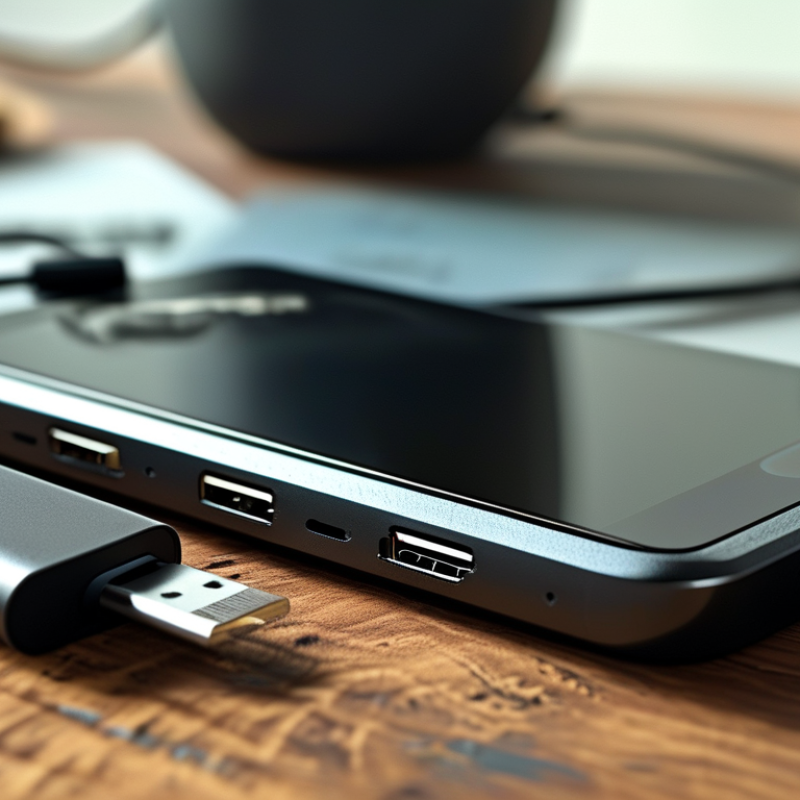
USB socket technology has significantly evolved since its introduction. Originally designed for data transfer, it now serves multiple functions. The USB interface enables power delivery, making it an essential feature in modern devices. For instance, smartphones and tablets often utilize USB sockets for both charging and data exchange. This dual functionality simplifies user interaction with devices.
USB sockets have undergone various updates. USB 1.0 offered basic transfer speeds. As technology advanced, newer versions like USB 3.0 and USB-C emerged. They provide faster data transfer rates and increased power capabilities. USB-C, in particular, is reversible, fostering user convenience. The evolution reflects a growing demand for efficiency and versatility in tech gadgets.
When using USB sockets, consider these tips. Ensure you use quality cables to prevent device damage. Check compatibility between devices and cables to avoid charging issues. Regular inspection of ports for debris will maintain functionality. Investing in a reliable USB hub can enhance connectivity options for multiple devices.
Key Advantages of Using USB Socket in Electronic Devices
The USB socket has transformed the way we connect and power our devices. One key advantage is its universal compatibility. Many gadgets, from smartphones to laptops, utilize this standard interface. This widespread use makes it easy to find cables and chargers anywhere. However, it’s important to ensure that the cable you use meets the necessary specifications. Not all USB cables deliver the same power or data transfer speeds.
Another benefit is convenience. USB sockets allow for quick data transfer. For instance, transferring large files can be done in moments, enhancing productivity. Additionally, many USB sockets support fast charging. This reduces downtime when your battery runs low. Yet, the rapid charging feature can sometimes lead to overheating in certain devices. Therefore, it’s crucial to monitor your device during charging.
Using USB sockets also promotes organization. With fewer types of connectors needed, it simplifies your tech life. This can be especially helpful when traveling. Nevertheless, the simplicity can lead to complacency. Users may forget to check for compatibility or leave chargers behind. Awareness of these nuances is essential for optimizing the benefits of USB sockets in our daily electronic interactions.
Benefits of Using USB Socket in Your Devices
Versatility of USB Sockets Across Different Device Types
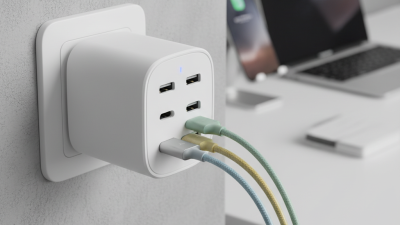
USB sockets have transformed the way we connect devices. Their versatility is unmatched. You can find them in laptops, smartphones, and even kitchen gadgets. This universal design simplifies charging and data transfer across many types of devices. Instead of carrying multiple chargers, a single USB charger can meet various needs.
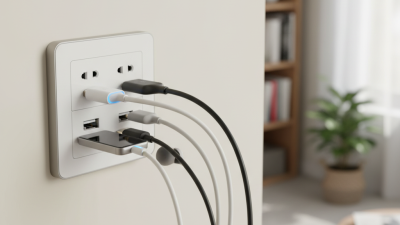
The convenience of USB sockets extends to different industries. In healthcare, medical devices often utilize USB ports for easy data exchange. In households, USB sockets in power outlets reduce clutter from multiple chargers. However, reliance on USB can present challenges. Not all cables are created equal, leading to varying speeds and compatibility issues. It’s essential to choose quality accessories to maximize the benefits.
Furthermore, as USB technology continues to evolve, new standards emerge. For instance, USB-C provides faster charging and supports data transfer. This adaptability makes USB sockets future-proof, though it may confuse users. Understanding these advancements is crucial for optimal use. Embracing these changes can enhance user experience significantly, while also acknowledging the learning curve involved.
What are the Benefits of Using USB Socket in Your Devices? - Versatility of USB Sockets Across Different Device Types
| Device Type |
USB Type |
Benefits |
Power Delivery (W) |
| Smartphone |
USB Type-C |
Fast charging, data transfer |
18W |
| Laptop |
USB Type-C |
One cable for charging and connecting peripherals |
65W |
| Tablet |
USB Type-C |
Versatile connectivity options, support for external displays |
30W |
| Camera |
USB Micro-B |
Data transfer for images and video |
5W |
| Game Console |
USB Type-A |
Connect controllers, external storage |
15W |
Efficiency of USB Sockets in Power and Data Transfer
USB sockets have transformed the way we power and transfer data between devices. Their efficiency lies in the integration of both functions in a single connection. Users can connect their smartphones, tablets, and laptops without worrying about multiple cables. This convenience supports a minimalistic approach to tech organization.
Data transfer through USB sockets is notably fast. Many USB variations support high-speed transfers, significantly reducing wait times for large files. This is crucial for professionals who often deal with significant data uploads and downloads. Moreover, the reliability of these sockets reduces the risk of connection issues during critical tasks, ensuring that projects flow smoothly.
However, it’s important to acknowledge certain limitations. Not every USB socket offers the same speed or power capability. Users may experience frustration when trying to charge devices with outdated sockets. This inconsistency can lead to confusion, especially for those not versed in the technical aspects of their devices. As technology rapidly evolves, staying informed is essential to maximizing the benefits of USB connectivity.
Comparative Analysis of USB Sockets and Other Connection Options
USB sockets have become a popular choice in various devices, particularly due to their versatility. Unlike traditional connectors like HDMI or VGA, USB connections support data transfer and charging in one compact design. This dual functionality reduces the need for multiple ports, enabling sleeker devices. The ease of use is another advantage. Users can connect their gadgets without worrying about orientation, as USB sockets are designed to be reversible.
However, there are downsides to consider. USB sockets may not provide the highest data transfer speeds compared to specialized connectors like Thunderbolt. Additionally, they can wear out over time, leading to loose connections. Some users have reported frustration with compatibility issues between different USB standards, which can complicate seemingly simple tasks.
Other connection options, such as wireless technologies, also present pros and cons. For example, while wireless connections offer convenience, they can suffer from latency and disconnection issues. Ultimately, the choice of connection type often depends on the specific needs of users and the functions of their devices. It is essential to weigh these factors carefully when selecting the right connection solution.