Leave Your Message

China Best USB Charger Socket Manufacturer?

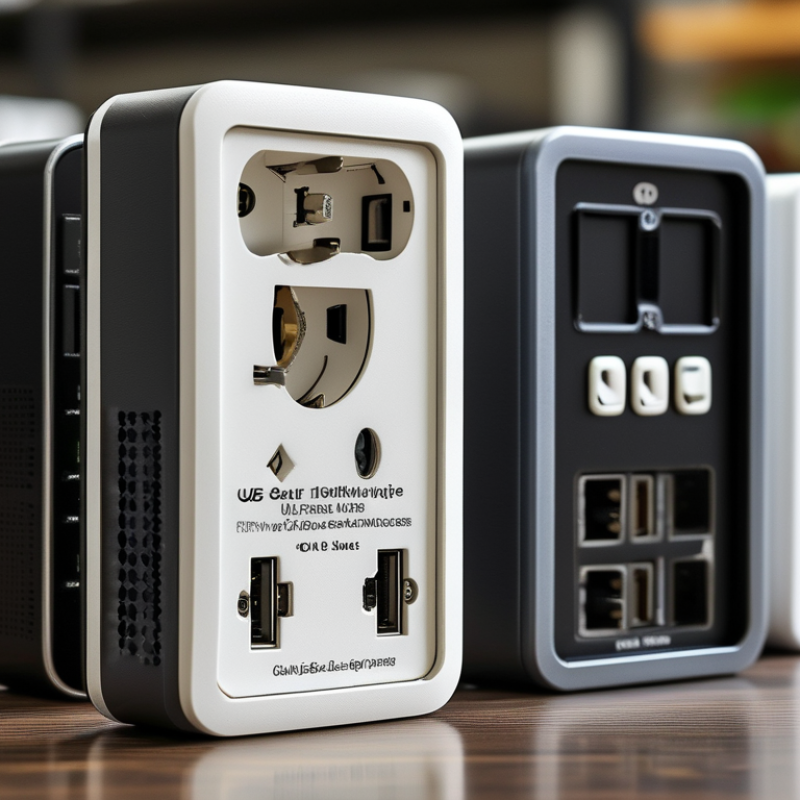
Finding the China Best USB Charger Socket Manufacturer requires more than comparing prices or browsing polished factory websites. A reliable supplier should demonstrate practical experience with residential, hotel, office, and commercial installations. Their Usb Charger Socket designs should support stable charging, safe heat control, and consistent wall installation. Small details matter, including terminal strength, faceplate fit, USB port protection, and labeling clarity.

Look for manufacturers that explain their engineering process openly. They should provide product specifications, sample testing records, quality-control procedures, and applicable compliance documentation. Factory audits can reveal assembly conditions, incoming material checks, aging tests, and final inspection routines. Ask how the company handles rejected units. Ask how design changes are recorded. These answers often show more than sales promises.

A dependable manufacturer also understands market differences. Charging protocols, socket dimensions, wiring practices, and certification requirements may vary by country. Experienced technical teams can recommend suitable components without forcing an unsuitable standard. Their engineers should discuss overheating risks, surge protection, grounding, and long-term port durability in clear language. Good communication matters.

No supplier is perfect.

Even an experienced factory may have occasional defects, delayed samples, or unclear documentation. That reality deserves attention, not decoration. Request independent test evidence where appropriate, verify production capacity, and compare samples against mass-production commitments. A thoughtful evaluation combines technical knowledge, factory experience, transparent records, and responsive after-sales support. This approach makes the search for China’s best Usb Charger Socket manufacturer more practical, measurable, and reliable.
China Best USB Charger Socket Manufacturer?

What Is a USB Charger Socket and Why Does the Manufacturer Matter?

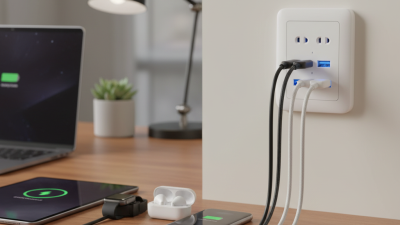
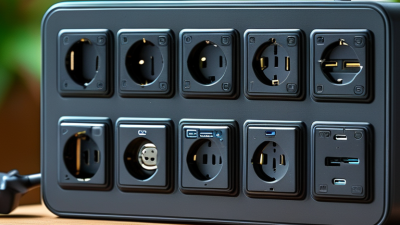
A USB charger socket is a wall outlet with built-in USB charging ports. It supplies power to appliances and charges devices from one fixed location. Common versions include USB-A and USB-C ports, with some supporting faster charging protocols. The socket must manage heat, current, and voltage inside a limited wall space. That makes its internal design more important than its smooth front panel.

The manufacturer matters because hidden components control daily safety and performance. Reliable production uses stable circuit boards, secure terminals, heat-resistant materials, and consistent assembly. It should also test overload protection, short-circuit response, insulation, and charging output. In practical installations, a loose terminal can cause flickering power or unwanted heat behind the wall. Small details matter. A socket used beside a kitchen counter may face moisture, frequent plugging, and demanding appliances.

When comparing a manufacturer in China, buyers should examine testing records, production controls, technical drawings, and after-sales communication. A serious supplier can explain port ratings clearly, identify suitable installation conditions, and provide traceable quality checks. Compliance with applicable electrical safety standards is essential, not optional. However, paperwork alone cannot prove long-term reliability. Samples should be inspected for firm sockets, clean molding, accurate labels, and stable charging. It is easy to judge by appearance. That approach is incomplete. Even experienced buyers can overlook heat buildup or compatibility issues. A better assessment combines documentation, physical testing, and feedback from real installations.
How to Evaluate USB Charger Socket Manufacturers in China

Choosing the best USB charger socket manufacturer in China requires more than comparing prices. According to Grand View Research’s 2024 USB charger market analysis, the global market reached about USD 31 billion in 2023 and may grow by over 6% annually through 2030. This growth increases supplier competition, but quality differences remain visible in heat control, port stability, and service life.

Ask each manufacturer for recent test reports, production photos, and traceable component records. Check whether samples support the promised charging protocol, rated power, and regional voltage. A reliable factory should explain its testing process clearly. It should also provide insulation, temperature-rise, overload, and endurance results based on relevant IEC requirements. Test three to five samples, not only one perfect unit. A polished sample can hide inconsistent assembly. That is an easy mistake to make.

Tips: Visit the production line if possible. Inspect solder joints, socket alignment, labels, and final inspection records. Request a small pilot order before signing a large contract. Compare failure rates, warranty handling, and response time. USB-IF technical guidance also stresses correct USB Type-C and Power Delivery implementation, so ask for protocol verification rather than accepting a simple “fast charging” claim. No scorecard is perfect. Your evaluation should record both strengths and uncomfortable gaps.

Which Features Define a Reliable USB Charger Socket?

A reliable USB charger socket needs more than attractive specifications. It should provide stable output when several devices charge together. Look for overcurrent, overvoltage, short-circuit, and thermal protection. These safeguards reduce risks during daily use. USB-C power delivery can improve compatibility, but its wattage must match the stated rating. A secure faceplate, firm terminals, and flame-retardant materials also indicate careful engineering.

Practical testing reveals details that product sheets may miss. The socket should fit firmly without rattling or shifting. Charging should remain steady after hours of use. A slightly warm surface can be normal; excessive heat is not. Certified safety testing adds confidence, although certification marks should be checked carefully. I have seen installations fail because the wall box was too shallow. Small oversights matter.

Tips: Check the input voltage and maximum output before installation. Test every port with different cables. Listen for buzzing. Inspect screw terminals for looseness. Keep ventilation clear around the unit. A clear installation guide helps, but it cannot replace qualified electrical work. Even experienced installers can miss a weak connection when working quickly.

How Are USB Charger Sockets Designed, Tested, and Certified?

China Best USB Charger Socket Manufacturer?

How Are USB Charger Sockets Designed, Tested, and Certified?

A reliable USB charger socket begins with load analysis, not appearance. Engineers select the connector, power module, thermal barrier, and surge protection together. USB-C designs must manage voltage negotiation, current limits, and accidental overloads. European Commission research estimated that common charging rules could reduce annual electronic waste by about 11,000 tonnes. That figure makes modular, repair-aware design more important.

Testing is performed in stages. Engineers check insulation distance, touch temperature, short-circuit response, and repeated insertion cycles. EMC testing examines whether the socket disturbs nearby equipment. Safety evaluation commonly references IEC 62368-1 and IEC 60884-1, while USB-C performance should follow applicable USB industry specifications. Production samples also face humidity, vibration, abnormal load, and endurance tests. A clean prototype can still fail after heat builds behind a wall plate. That weakness deserves attention.

Tips: Ask for full test reports, not only a certificate image. Confirm the report model matches the production model. Check rated output at high temperature. Request traceable calibration records for test equipment. The Global E-waste Monitor 2024 reported 62 million tonnes of electronic waste in 2022, with only 22.3% formally collected and recycled. Better sockets cannot solve that problem alone, but replaceable modules and durable components may reduce unnecessary disposal. Certification is valuable, yet it is not a substitute for consistent factory inspection.

China Best USB Charger Socket Manufacturer? - How Are USB Charger Sockets Designed, Tested, and Certified?

Evaluation Dimension Typical Design or Test Requirement Reference Data / Acceptance Criteria Relevant Standard or Certification Area Why It Matters
Input voltage and frequency The AC input stage is designed for the target market before the USB power module is selected. Common configurations include 100–240 V AC, 50/60 Hz for universal-input modules; local versions may use 120 V or 230 V nominal systems. National wiring-device and electrical-safety requirements; IEC 62368-1 may apply to the power-supply section. Correct input design reduces overheating, insulation stress, and compatibility problems.
USB output type The product may use USB-A, USB-C, or a combination of both, with a dedicated power-conversion circuit. USB-A commonly supports 5 V charging; USB-C can support 5 V and negotiated higher voltages when USB Power Delivery is implemented. USB-IF specifications, USB Battery Charging specification, and USB Power Delivery specification where applicable. The connector type alone does not define charging power or protocol support.
Rated USB power The switching power supply, thermal design, and enclosure are sized for the declared continuous output. Typical wall-socket modules are rated around 10–30 W total; higher ratings require appropriate power negotiation and thermal validation. Declared product rating, USB-C Power Delivery requirements, and applicable regional safety rules. A realistic power rating helps prevent nuisance shutdowns and excessive surface temperature.
Output regulation Feedback control maintains stable voltage as the load changes from light-load standby to maximum rated output. Voltage accuracy, ripple, transient response, and no-load behavior are verified against the product specification. Manufacturer specification and applicable USB electrical requirements. Stable output protects connected devices and supports reliable charging.
Overcurrent protection Electronic current limiting or foldback protection is added to the USB power circuit. The output should limit current safely and recover after a short circuit or overload is removed. IEC 62368-1 safety principles and relevant USB protection requirements. Protection reduces damage caused by defective cables, connectors, or connected equipment.
Overvoltage and thermal protection The design uses overvoltage shutdown, thermal sensing, and fault-management components where required. The unit should shut down or reduce power when an unsafe voltage or temperature condition is detected, then recover safely where designed to do so. IEC 62368-1, component safety ratings, and the approved protection design. These functions limit fire, electric-shock, and component-failure risks.
Insulation and dielectric strength Primary and secondary circuits are separated by reinforced or double insulation, suitable PCB spacing, and an approved isolation transformer. Insulation distances and dielectric withstand levels depend on working voltage, pollution degree, overvoltage category, and the target standard. IEC 62368-1 and applicable national electrical-safety standards. Adequate isolation prevents hazardous mains voltage from reaching the USB output.
Grounding and touch protection The socket structure, earth terminal, shutters, and accessible conductive parts are assessed according to the outlet configuration. Protective earth continuity is required for Class I designs; Class II designs rely on reinforced or double insulation and do not use protective earth. IEC 60884-1 or the applicable national socket-outlet standard. Correct protection helps prevent electric shock during normal use and foreseeable misuse.
Temperature rise Thermal simulation and full-load testing are performed with the socket installed in the intended enclosure and wiring configuration. Measurements are compared with limits for terminals, plastics, accessible surfaces, and internal components specified by the applicable standard. IEC 60884-1, IEC 62368-1, and local installation requirements where applicable. Temperature control supports long service life and reduces fire risk.
Mechanical endurance USB connectors, socket shutters, terminals, and mounting parts are subjected to repeated insertion, withdrawal, and switching operations. The required cycle count and force limits depend on the applicable national product standard and connector specification. IEC 60884-1 for applicable socket mechanisms; USB connector requirements for USB interfaces. Endurance testing identifies loose contacts, cracked housings, and degraded charging connections.
Flammability of materials Plastic parts near energized or heat-generating components are selected with suitable flame-retardant properties. Material flammability class and glow-wire performance are determined by the relevant construction and safety requirements. IEC 60695 test methods and applicable product-safety standards. Appropriate materials help limit ignition and flame propagation.
EMC emissions The switching converter uses filtering, controlled layout, shielding, and grounding measures to limit conducted and radiated noise. Testing normally includes conducted emissions and radiated emissions over the frequencies required by the destination market. CISPR 32 or regional equivalents, depending on product classification and market. Lower emissions reduce interference with radios, networking equipment, and nearby electronics.
EMC immunity and ESD The product is evaluated against electrostatic discharge, electrical fast transients, surges, and radiated disturbances. Performance criteria and test levels are selected according to the product environment and applicable EMC standard. IEC 61000-4 series and applicable regional EMC requirements. Immunity testing verifies that normal disturbances do not create unsafe behavior.
Surge protection The AC input may include a fuse, varistor, surge-limiting component, and coordinated protection network. Surge test levels depend on the installation environment, product category, and destination-market requirements. IEC 61000-4-5 and the applicable safety or EMC standard. Protection improves resilience against transient events on the mains supply.
Efficiency and standby power The power converter is optimized for light-load and full-load operation, with low-power standby control. Efficiency and no-load power consumption are measured at specified input voltages and load points; legal limits vary by market. Applicable energy-efficiency regulations and test procedures in the destination market. Higher efficiency reduces heat, operating cost, and energy waste.
Production quality control Incoming inspection, automated assembly checks, electrical safety tests, functional tests, and sample aging are combined in the production process. Typical routine checks include polarity, grounding, insulation, output voltage, USB charging detection, and abnormal-load response. Documented quality system and product-specific inspection plan; ISO 9001 may support process management but does not replace product certification. Consistent production controls reduce variation between tested samples and shipped units.
Market certification The finished product is assessed against the requirements of each intended sales region before legal placement on the market. Certification and marking are market-specific; examples may include CE-related conformity obligations, UKCA, UL/certification marks, or other national schemes. Applicable national regulations, approved testing laboratories, and technical documentation requirements. A valid certificate or declaration must match the exact model, ratings, construction, and destination market.

Note: The values shown are representative engineering references rather than universal limits. Final design, testing, and certification requirements depend on the socket configuration, rated power, USB protocol, installation method, and destination market.

How to Choose the Right China USB Charger Socket Manufacturer

China Best USB Charger Socket Manufacturer?

How to Choose the Right China USB Charger Socket Manufacturer

Choosing a China USB charger socket manufacturer requires more than comparing prices. Review the factory’s production history, engineering team, and quality control records. Ask for samples from regular production, not specially prepared units. Test charging stability, socket fit, insulation, heat rise, and screw strength. Small details matter.

Request clear technical documents for each model. These should include input ratings, USB output data, material specifications, and test reports from qualified laboratories. Check whether the manufacturer controls key components and records batch information. Traceability builds trust when a shipment contains unexpected defects. It also makes corrective action faster.

Visit the facility when possible, or arrange a detailed video audit. Observe assembly lines, aging tests, warehouse storage, and packaging procedures. Ask how workers handle failed units. A reliable supplier explains problems openly instead of hiding them. That attitude matters.

Communication is another practical test. Send a detailed drawing and measure the response time, technical questions, and revision accuracy. Confirm minimum order quantities, sample fees, lead times, warranty terms, and spare-part support. Custom colors or panel designs may seem simple, but they can affect tooling and delivery dates.

Do not choose on price alone. I have seen low quotations become expensive after repeated rework, delayed samples, and inconsistent charging performance. A better decision comes from comparing evidence, not promises. Still, no audit removes every risk. Leave room for inspection and improvement.