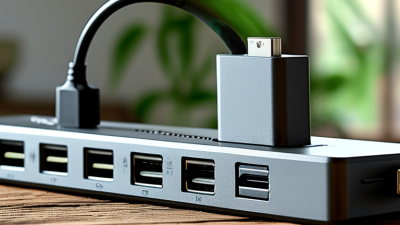
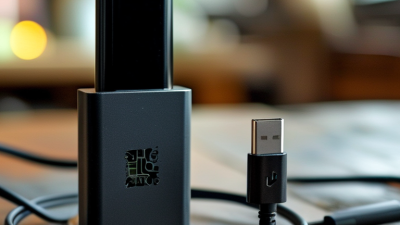
Choosing the right Car Charger Socket is not simply a matter of matching a plug to a dashboard opening. The socket must suit your vehicle’s voltage, current rating, wiring capacity, and daily charging habits. A compact city car may need a different solution from a commercial van carrying tools and equipment. Check the fuse rating carefully. Also inspect the terminal layout, mounting depth, heat resistance, and protection against dust or moisture.
Tom Moloughney, an electric-vehicle charging specialist and author, offers a useful principle: “The best charger is the one that works reliably when you need it.” That idea applies directly to every Car Charger Socket. A socket can look solid in a product photograph, yet feel loose after repeated use. Small details matter. Look for firm contacts, a secure mounting ring, clear specifications, and tested materials. Cheap plastic may soften near a high-load connection. That risk is easy to overlook.
Real-world experience also reveals an uncomfortable truth. More features do not always mean better performance. USB ports, indicator lights, and wireless functions can be helpful, but they should not distract from electrical safety. Measure the available dashboard space before ordering. Confirm the connector type with the vehicle manufacturer or a qualified technician. Installation mistakes can create heat, intermittent charging, or battery problems. This guide will examine the practical choices, common misunderstandings, and warning signs that help buyers select a safer, longer-lasting Car Charger Socket. Some decisions remain imperfect. Careful checking still reduces regret.
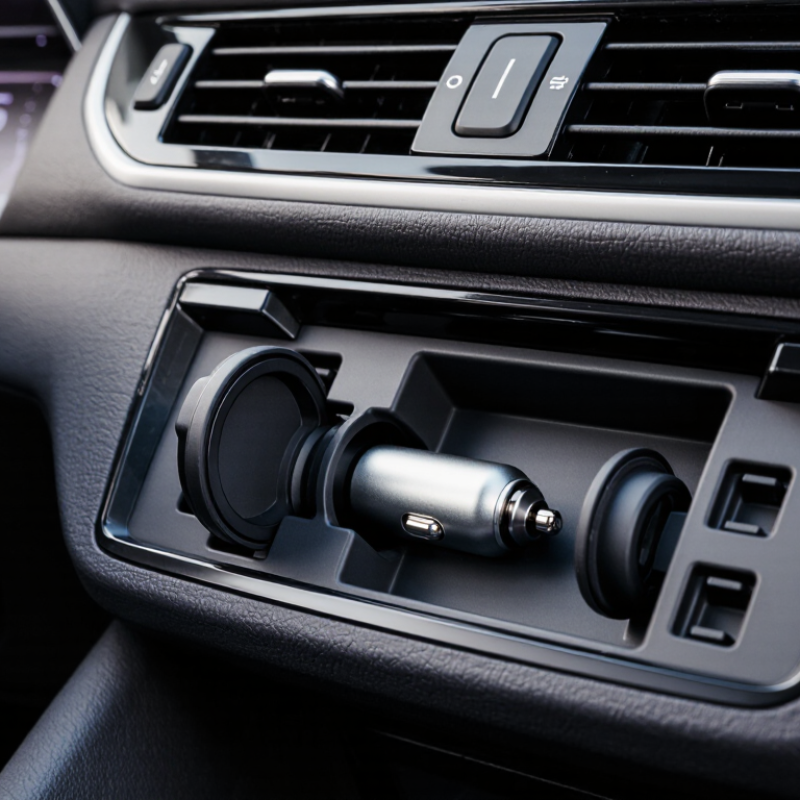
How to Choose the Right Car Charger Socket?
Understanding car charger socket types helps you match power, device needs, and daily driving habits. The traditional 12-volt socket, often called a cigarette-lighter socket, suits portable air pumps, dash cameras, and basic USB adapters. It usually supports moderate power, but its exact limit depends on the vehicle’s fuse and wiring.
USB-A sockets remain useful for older cables, while USB-C sockets can charge newer phones and tablets faster. However, charging speed depends on power output, cable quality, and your device’s charging standard. A wireless charging pad is convenient for short trips, but thick phone cases or poor alignment may reduce performance. I have found that convenience sometimes hides wasted power.
Check the vehicle manual before installation. Confirm the socket’s voltage, current rating, mounting size, and fuse protection. A loose socket can disconnect during bumps. Excessive heat is a warning sign, not a minor inconvenience. Avoid choosing only by appearance.
Tips: Select a socket with enough output for your devices, but do not exceed the vehicle’s rated capacity. Keep cables away from pedals and moving controls. Test the socket with a meter if charging seems unusually slow. I once assumed a faulty charger was the problem; the vehicle’s aging socket was actually causing the interruption.
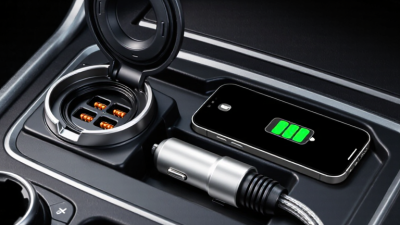
A charger socket must match your vehicle’s electrical system, not just its dashboard opening. Check the vehicle manual for the system voltage and recommended accessory circuit. Most passenger vehicles use low-voltage systems, but voltage alone does not confirm compatibility. The socket’s rated current should exceed the charger’s maximum demand. A small safety margin helps prevent overheating. Fit is not enough.
Inspect the wiring before installation. Confirm the positive and ground terminals with a multimeter, rather than trusting wire color. Check whether the circuit is ignition-switched or permanently live. A permanent connection may drain the battery when the vehicle sits overnight. Use an appropriate fuse close to the power source. The wire thickness must support the expected current and cable length. Thin wiring can become warm under continuous load. That detail is easy to miss.
I once focused too much on socket size and overlooked the mounting depth. It fit the panel, but the terminals touched nearby metal. I now check clearance, polarity, fuse placement, and moisture protection together. Look for a sealed design if the socket will face rain or spilled drinks. Avoid forcing a connector into a loose or damaged outlet. If measurements conflict with the manual, stop and verify them. A qualified automotive technician should inspect uncertain installations. I still recheck every connection before restoring battery power.
When choosing a car charger socket, compare charging speed with your vehicle’s actual input limit. A high-rated socket cannot make a small charging system faster. Check the vehicle manual, then match the socket’s amperage and voltage requirements. In daily use, stable output matters more than impressive numbers. A socket delivering 12 volts and 15 amps provides up to 180 watts before conversion losses. Real output may be lower. Heat, wiring length, and connection quality all affect performance.
Power output should also fit the devices you carry. A phone needs modest power, while a tablet, dash camera, or portable compressor may demand more. Measure peak demand, not only average consumption. Protection against overload, overheating, and short circuits is essential. I once underestimated cable resistance in a long installation. The socket worked, but charging slowed noticeably. That small mistake changed my view of “rated power.” For permanent installations, follow the vehicle service guidance and request a qualified wiring inspection.
Port options influence convenience during every trip. USB-C can support faster charging when the socket and cable negotiate compatible power levels. USB-A remains useful for older accessories. A 12-volt outlet offers broader flexibility for inflators and other equipment. Count your regular devices before choosing a dual- or multi-port design. More ports sound better. They may share limited power, however. Leave enough space around the socket, and inspect the connection after several drives. Loose fittings often reveal themselves through warmth or intermittent charging.
| Charger Socket Type | Typical Input | Port Options | Typical Power Output | Approximate Charging Speed | Best For | Important Considerations |
|---|---|---|---|---|---|---|
| 12 V Accessory Socket | 12 V DC vehicle accessory circuit | USB-A or USB-C adapter required | Up to about 120 W in theory at 10 A; many vehicle circuits are limited to 10–15 A | Depends on the adapter; commonly standard to fast charging | General-purpose charging, tire inflators, GPS devices, and small accessories | The vehicle socket and fuse rating determine the safe maximum load. Check the vehicle manual before using high-power accessories. |
| USB-A Car Charger Socket | Usually 12–24 V DC input | One or more USB-A ports | Typically 5–18 W per port; some support higher proprietary charging modes | Standard to moderate; suitable for phones and smaller devices | Older smartphones, basic navigation devices, earbuds, and USB accessories | USB-A commonly provides less power than modern USB-C. Actual speed depends on the phone, cable, and charging protocol. |
| USB-C Power Delivery Socket | Usually 12–24 V DC input | One USB-C port | Common ratings include 18 W, 30 W, 45 W, and 65 W | Fast charging for compatible phones, tablets, and some laptops | Modern smartphones, tablets, handheld game systems, and USB-C laptops | USB Power Delivery requires a compatible device and a suitable USB-C cable. A higher wattage rating does not force extra power into a device. |
| Dual-Port USB-A and USB-C Socket | Usually 12–24 V DC input | One USB-A port plus one USB-C port | Combined output commonly ranges from 30 W to 45 W | Fast charging for one device; moderate speed when both ports are used | Vehicles with a mix of older USB-A and newer USB-C devices | Check whether the advertised wattage applies to one port or is shared between both ports. |
| Dual USB-C Power Delivery Socket | Usually 12–24 V DC input | Two USB-C ports | Common combined ratings include 40 W, 50 W, and 65 W | Fast charging for two compatible mobile devices | Two phones, a phone and a tablet, or other USB-C equipment | When two devices are connected, power may be redistributed between ports. Review the individual and combined output ratings. |
| High-Power USB-C PD Socket | Usually 12–24 V DC input | One USB-C Power Delivery port | 65 W or more, depending on the vehicle circuit and charger design | Fast charging for many laptops and high-capacity tablets | USB-C laptops, professional tablets, and demanding mobile equipment | The vehicle must support the required input current, and the cable must be rated for the intended power. Some laptops require more than 65 W under heavy use. |
| Wireless Charging Pad with USB-C Input | Typically 5–12 V DC supplied by a USB charger | Wireless charging surface; USB-C input | Common wireless levels are 5 W, 7.5 W, 10 W, and 15 W | Convenient but generally slower than wired USB-C charging | Compatible smartphones where cable-free convenience is the priority | Charging speed can decrease because of heat, phone alignment, thick cases, or the power adapter connected to the pad. |
| 12 V Socket with Inverter | 12 V DC vehicle accessory circuit | AC outlet, USB-A, or USB-C depending on the inverter | Common compact units provide 100–300 W continuous AC output | Varies by connected charger; usually less efficient than direct USB charging | AC-powered electronics, camera chargers, and selected small appliances | Inverters draw substantially more current from the vehicle. Do not exceed the inverter, socket, fuse, or vehicle electrical-system limits. |
Choosing a car charger socket starts with safety, not appearance. The IEA’s Global EV Outlook 2024 recorded nearly 14 million electric car sales in 2023. That growth increases pressure on charging hardware and household wiring. Select a socket with overload protection, short-circuit protection, and temperature monitoring. For electric vehicles, verify compatibility with applicable IEC 62196 or SAE J1772 requirements. A socket should fit firmly, without rattling or forced insertion. Loose contacts can create resistance, heat, and discoloration. No checklist catches every poor crimp.
Durability depends on materials and installation conditions. Look for UV-resistant housing, sealed terminals, strain relief, and an enclosure suited to the installation location. The U.S. Department of Energy’s Alternative Fuels Data Center identifies Level 2 charging as commonly using 208–240 volts. This voltage requires correct circuit sizing and reliable grounding. A qualified electrician should inspect the cable route, terminal torque, and residual-current protection. Wall mounting is usually steadier than unsupported cable hanging, but poor drilling can damage hidden wiring. Installation quality matters more than a glossy socket cover.
Tips: Compare the socket’s continuous current rating with your charger’s demand. Leave thermal space around the housing. Test charging at normal load, then check for unusual warmth or smell. Do not ignore a warm plug. Keep a simple inspection record, including installation date and visible changes. Product documents should state test standards, ingress protection, and replacement limits. If those details are missing, pause before buying.
How to Choose the Right Car Charger Socket?
Choosing the Best Socket for Your Driving and Charging Needs
A car charger socket should match your daily devices, vehicle system, and driving habits. Check whether your vehicle uses a 12-volt or 24-volt electrical system. Most passenger cars use 12 volts, but larger vehicles may require different equipment. Choosing the wrong socket can cause poor charging or overheating.
Consider the devices you carry. A basic USB socket may suit a phone and wireless earbuds. Tablets, cameras, and laptops need stronger USB-C power delivery. Check the socket’s rated output, not only the number of ports. A dual-port model can be useful, but shared power may reduce charging speed. Keep cables short and undamaged. Frayed cables create unnecessary heat.
Safety deserves practical attention. Select a socket with fuse protection, over-current control, and a secure cover. The socket should fit tightly without wobbling on rough roads. During installation, a qualified technician should inspect the wiring and fuse capacity. Improper connections can damage the vehicle’s electrical system. I once assumed a higher wattage always meant better charging. It did not. The socket became warm during navigation and music playback. That experience changed my view: real performance depends on ventilation, cable quality, and continuous load. Leave room for mistakes when choosing. Test the socket with your actual devices before relying on it during a long trip.
Compare typical maximum output levels to match the socket with your driving and charging needs.
How to read the chart: USB-A is suitable for phones and small accessories, while USB-C Power Delivery is better for tablets and compatible laptops. A 12V accessory socket can support higher-power vehicle accessories, and an AC outlet may power compact household electronics. Actual limits vary by vehicle, fuse rating, charger, cable, and socket design.