10 Essential Tips for Maintaining Your Usb Charging Port
Maintaining your USB charging port is essential for the longevity of your devices. As Sarah Thompson, a leading expert in electronic device maintenance, once said, "A clean and functional USB charging port can make or break your device experience." This insight emphasizes the critical role of regular care for your USB charging port.
Over time, dust and debris can accumulate in the charging port, causing connection issues. Ignoring this can lead to significant damage, resulting in costly repairs. Regular cleaning is vital, but many users overlook it. Using compressed air or a soft brush can help remove particles effectively.
In addition to cleaning, it's important to handle cables with care. Many people tend to yank the charger out forcefully. This practice can harm both the USB charging port and the cable itself. Awareness of how you treat your device can lead to better performance. Reflecting on your habits may help you improve device care over time.
How to Identify Common Problems with USB Charging Ports
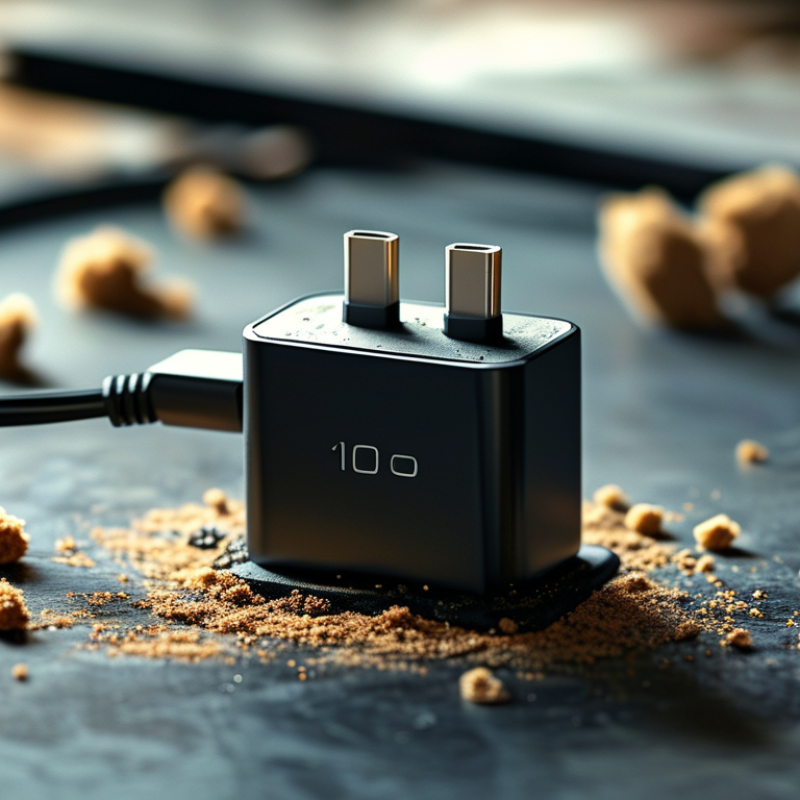
USB charging ports are vital for our daily devices. They can, however, experience issues that can disrupt our routines. Recognizing these problems early can save time and effort.
One common problem is debris accumulation. Dust, lint, or pet hair can obstruct the port. Using a soft brush can help, but be gentle. A careful inspection with a flashlight can reveal hidden dirt. Sometimes, the charging cord itself is the culprit. If the connection feels loose, the cable may be worn out or damaged.
Another red flag is overheating. If your device gets excessively hot while charging, something is wrong. This could indicate an internal issue with the port. Outdated software may also lead to charging problems, so ensure your device is updated. Regular checks and maintenance can prevent more serious damage over time.
Steps for Cleaning Your USB Charging Port Safely and Effectively
Cleaning your USB charging port is crucial for maintaining your device's performance. Dust and debris can accumulate over time, leading to connection issues. According to a study by the Consumer Electronics Association, nearly 40% of device malfunctions stem from poor connections, which can often be traced back to unclean ports.
To clean your USB port effectively, use a compressed air canister. This can remove dust particles without risking damage. Alternatively, a soft brush can gently dislodge dirt. When you clean, be careful not to scratch the internal components. A gentle approach is essential.
When you're done cleaning, inspect the connection. Ensure that the charger fits snugly. Loose connections can lead to overheating, shortening your device's lifespan. Regular maintenance of your charging port can save you from costly repairs. Make it a habit to check and clean. It may feel tedious, but your device will thank you in the long run.
10 Essential Tips for Maintaining Your USB Charging Port - Steps for Cleaning Your USB Charging Port Safely and Effectively
| Tip Number |
Tip Description |
Frequency of Cleaning |
Tools Needed |
| 1 |
Inspect the USB port regularly for debris or damage. |
Weekly |
None |
| 2 |
Use a can of compressed air to blow out dust and lint. |
Monthly |
Compressed air can |
| 3 |
Clean with a soft-bristled toothbrush to remove stuck debris. |
Monthly |
Soft-bristled toothbrush |
| 4 |
Use isopropyl alcohol to clean the contacts if necessary. |
Every few months |
Isopropyl alcohol, cotton swabs |
| 5 |
Ensure the USB cable is clean before plugging it in. |
Each use |
None |
| 6 |
Avoid using the device while it is charging to prevent wear. |
Always |
None |
| 7 |
Avoid yanking the charging cable out of the port. |
Always |
None |
| 8 |
Store the device in a clean, dry place to prevent moisture damage. |
Always |
None |
| 9 |
Replace damaged cables to prevent damages to the port. |
As needed |
New cables |
| 10 |
Consult a professional if the port is physically damaged. |
As needed |
N/A |
Best Practices for Preventing Dust and Debris Buildup
Keeping your USB charging port clean is essential for optimal performance. Dust and debris can accumulate quickly, obstructing the connection between your device and the charger. This issue may seem minor, but it can lead to charging delays or even permanent damage to your device if neglected over time. Regular maintenance is crucial to avoid these problems.
To prevent buildup, consider using a soft brush or compressed air to gently clean the port. Take care to avoid using sharp objects that could scratch or damage the internals. Simple habits can go a long way. For instance, when not in use, cover the port with a small piece of tape or a dust plug. This can serve as a barrier against dirt and lint.
Have you noticed your phone charging slower than usual? It might be time for a clean. Even the most diligent users can overlook the ports. Regular inspections can help catch issues early. Remember, a well-maintained charging port improves the lifespan of your device. Prioritize this simple task to keep your technology working smoothly.
10 Essential Tips for Maintaining Your USB Charging Port
This chart represents the effectiveness of various methods for maintaining and cleaning USB charging ports to prevent dust and debris buildup. Each method is rated on a scale from 1 to 10, with 10 being the most effective.
Selecting Quality USB Cables and Chargers for Longevity
Selecting high-quality USB cables and chargers is crucial for your devices' longevity. Cheap options may seem tempting, but they often lead to faster wear and damaging spikes. Quality cables are made with better materials, providing a safer connection. This reduces the risk of overheating and ensures efficient charging.
Look for cables that have reinforced connectors. This prevents fraying and disconnection over time. Avoid using cables that are too long or too short for your needs. An inappropriate length can strain the connections, which might cause damage. It’s also important to regularly check for any signs of wear on both the cable and charger, as small issues can quickly become larger problems.
Your charging habits matter too. Overcharging your device can wear the battery out quickly. Make it a routine to unplug devices once they are fully charged. This step helps protect the internal components and provides a longer lifespan. Emphasizing quality in selection and maintenance allows for a more reliable charging experience.
When to Seek Professional Help for Charging Port Issues
When dealing with charging port issues, knowing when to seek
professional help is crucial. According to a survey by the
Consumer Electronics Association, nearly 30%
of smartphone users experience problems with their USB ports each year. Often, dirt
or debris gets lodged inside, which can lead to poor connectivity. If you experience
inconsistent charging, consider cleaning the port gently.
Use a soft brush or compressed air to remove any build-up.
However, not all issues can be solved at home. If your device still won’t charge
after cleaning, it might require professional attention. Signs
indicating the need for a technician include visible damage
to the port, excessive heat during charging, or a spinning loading icon that
never resolves. These symptoms could indicate deeper hardware issues, which require
specialized knowledge.
To keep your USB port in good condition, avoid using excessive force when inserting
cables. It’s also advisable to minimize exposure to moisture.
Regularly inspect the port for any signs of wear and tear. Maintaining good care
habits can help extend the lifespan of your device. Remember, a proactive approach
can save you time and money in the long run. If ever in doubt, consulting an expert
quickly may prevent further damage.