Best Usb Charger Plug Options for Global Buyers Today?
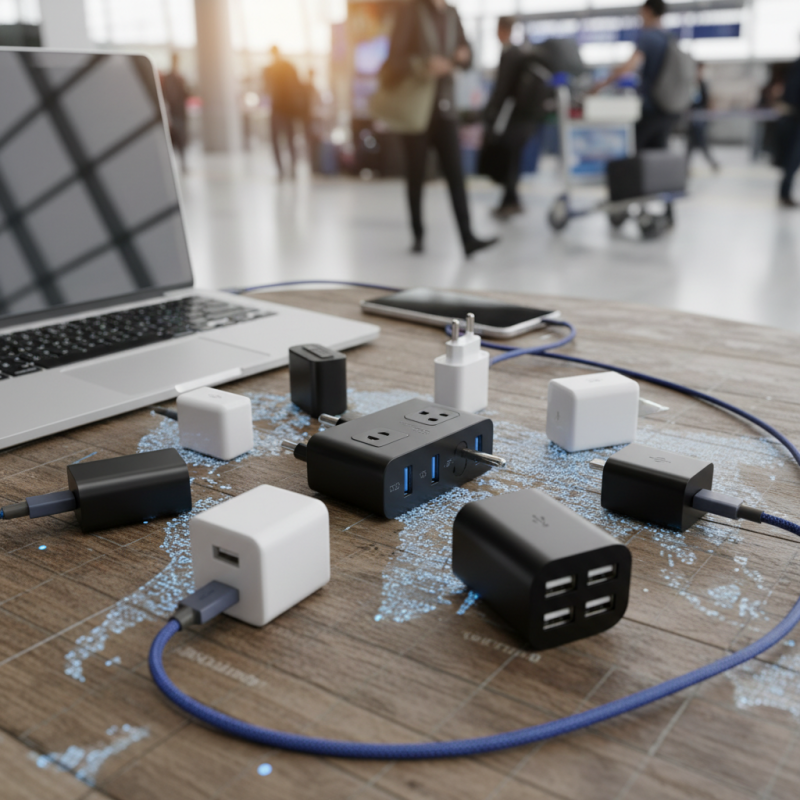
In today's world, having a reliable USB charger plug is essential. Travelers often face challenges with power outlets globally. A good USB charger plug can simplify this experience. It ensures devices stay charged without hassle, regardless of location.
The market offers various options. Some chargers are compact, perfect for travel. Others have multiple ports, catering to multiple devices. This variety can be overwhelming. Not every charger will meet your needs. It's important to consider factors like compatibility and charging speed.
While many brands claim to be the best, user reviews reveal mixed experiences. It's crucial to choose a USB charger plug based on real feedback. Investing in a quality charger pays off in the long run. Ultimately, the right charger enhances convenience and reliability for all your power needs.
Best USB Charger Plug Options for Global Buyers Today
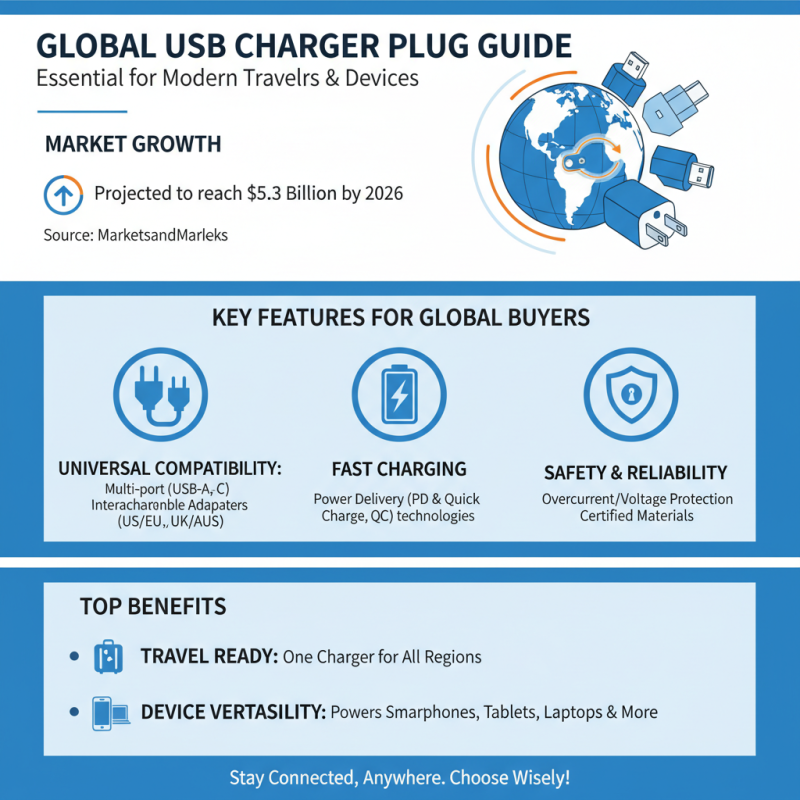
In today's interconnected world, selecting the right USB charger plug is vital for global travelers. A comprehensive study from MarketsandMarkets highlights that the global USB charger market is projected to reach $5.3 billion by 2026. This surge underscores the growing demand for high-quality, versatile chargers that suit various devices and regions.
Modern USB chargers come with multiple ports, allowing simultaneous charging. According to a report by Grand View Research, the multi-port USB charger segment alone accounts for over 30% of the market share. This popularity stems from their convenience. Many users appreciate the compact design that fits easily into bags and suitcases. However, the proliferation of options can lead to confusion and poor purchasing choices. Not all chargers are created equal, and safety certifications vary widely among products.
Another consideration is voltage compatibility. Many travelers encounter issues when using chargers in regions with different voltage standards. The lack of universal standards often leads to inefficient charging or even device damage. Addressing this challenge requires careful research and attention to detail. Proper labeling and guidelines can help mitigate these risks. Users should seek out chargers that provide clear information about compatibility for both voltage and device type.
Understanding USB Charger Types and Standards for Global Use
Understanding USB Charger Types and Standards for Global Use
When selecting USB chargers for global use, knowledge about types and standards is crucial. There are multiple USB types, including USB-A, USB-B, and USB-C. USB-C has become the industry standard due to its reversible design and fast data transfer rates. Research indicates that USB-C can handle up to 100W, making it suitable for charging laptops and other devices.
Moreover, compliance with international standards ensures safety and compatibility. The USB Implementers Forum (USB-IF) provides guidelines that manufacturers should follow. This consistency helps in reducing the risk of device damage during charging. According to a recent market analysis, 60% of global online shoppers consider compatibility as a key factor when purchasing chargers.
Tips: Always check voltage and amperage ratings before use. Overloading a charger can lead to failure. Also, look for certifications like UL or CE, which indicate adherence to safety standards. It's essential to reflect on your charging needs. Not every charger fits every device. Consider your specific requirements to avoid mismatch and frustration.
Lastly, remember that not all USB charging cables are alike. Inferior quality cables may affect charging speed and safety. Investing in a reliable charger might seem costly but will save you from long-term dissatisfaction.
Comparative Analysis of Power Output: Watts and Amperes Explained
When choosing a USB charger plug, understanding power output becomes crucial. The output is measured in watts (W) and amperes (A). Watts represent the total energy transferred, while amperes measure the current flow. A higher wattage generally leads to faster charging, but it should match your device’s requirements.
Many travelers encounter challenges with differing plug types globally. Evaluating the power output is essential when selecting a charger. Not all plugs are created equal. Some may promise fast charging but may not deliver due to design flaws, making it essential to examine user reviews and specifications closely.
It's easy to overlook the safety aspects as well. Some chargers may lack overcurrent protection or heat regulation. This oversight can lead to device damage or hazardous situations. Prioritizing reliability means considering options with recognized certifications that indicate safety standards. Ultimately, while fast charging is desirable, ensuring a secure and compatible option is paramount.
Best USB Charger Plug Options for Global Buyers
Essential Safety Features in USB Chargers: What Buyers Must Know
When choosing a USB charger, safety features should be a top priority. It's essential to look for chargers with over-voltage protection, over-current protection, and short-circuit protection. These features can prevent damage to your devices and avoid potential hazards like overheating. Ensure the charger has certifications from recognized safety organizations. This adds an extra layer of reliability.
Tips: Always inspect the plug for any physical damage before use. Using a damaged charger can be dangerous. Look for chargers with LED indicators to show when they are actively charging. This can help you monitor the charging status effectively.
Sometimes, not all chargers are compatible with every device. Combining the wrong charger with your electronics can lead to poor performance or even damage. Ensure you check specifications and compatibility details, especially when traveling. Many chargers today feature universal voltage, allowing them to work globally, but double-checking is always wise.
Best USB Charger Plug Options for Global Buyers Today? - Essential Safety Features in USB Chargers: What Buyers Must Know
| Charger Type |
Output Power (Watts) |
Safety Features |
Compatibility |
Price Range |
| Single Port Charger |
5W - 30W |
Over-voltage protection, Over-current protection |
Universal |
$5 - $20 |
| Multi Port Charger |
30W - 100W |
Short-circuit protection, Temperature control |
Universal |
$15 - $50 |
| Quick Charge 3.0 Charger |
18W - 36W |
Intelligent charge distribution, Surge protection |
Smartphones, Tablets |
$10 - $30 |
| USB-C Charger |
18W - 100W |
Power delivery, Overload protection |
Laptops, Smartphones |
$15 - $75 |
| Travel Adapter Charger |
5W - 60W |
Multi-voltage support, Safety shutter |
Global |
$20 - $50 |
Market Trends: Top Brands Dominating the Global USB Charger Market
The global USB charger market is evolving rapidly. Many brands are adapting to consumer needs for efficiency and portability. The surge in mobile device usage drives demand for reliable charging options. Users expect their chargers to be fast, compact, and versatile. This trend highlights the importance of innovation in design and technology.
Brands that dominate the market focus on creating chargers that can handle multiple devices simultaneously. Reliability is crucial, as users want to ensure their devices charge safely and quickly. However, not every product lives up to the promises. Some chargers may overheat or fail, leading to user frustration. It’s essential for buyers to research and read reviews before making a purchase.
Another significant trend is sustainability. Consumers are increasingly looking for eco-friendly options. Sustainable materials and efficient energy usage appeal to environmentally conscious buyers. Despite these advancements, the market still has room for improvement. Consistent quality varies among products. This inconsistency stresses the need for consumers to choose wisely.