7 Tips for Choosing a Type C Car Charger?
Choosing the right Type C Car Charger is more important than picking the cheapest model on a store shelf. A reliable charger should match your phone, tablet, or laptop’s charging needs without overheating during a long drive. It should also fit your vehicle’s power outlet securely, even when the road becomes uneven.
In this guide, we explore seven practical tips for making a safer, smarter choice. You will learn how to check USB-C power output, charging protocols, cable quality, port design, and built-in safety features. A charger marked “fast charging” is not automatically suitable for every device. Check the wattage.
Real-world details matter. Look for a firm connection, clear product specifications, and protection against overcurrent, overheating, and short circuits. Certification information can also offer useful evidence of quality, although labels should not be trusted blindly. Some low-cost chargers feel solid but deliver unstable power after several weeks. I have seen this overlooked.
Your driving habits matter too. A compact model may suit a small car with limited dashboard space, while multiple ports help families charge several devices. Consider night-time visibility, cable reach, and whether the charger blocks nearby controls. Small details become frustrating quickly.
No charger is perfect. Even expert recommendations need practical testing. Use reputable brands, follow your vehicle and device manuals, and replace damaged cables promptly. A careful comparison can protect your devices, reduce charging interruptions, and make every journey more convenient. Safety comes before speed.
What Is a Type-C Car Charger and How Does It Work?
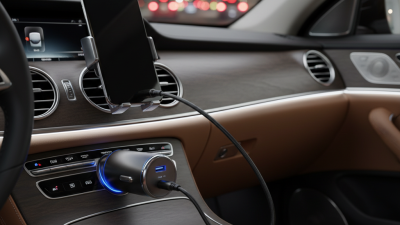
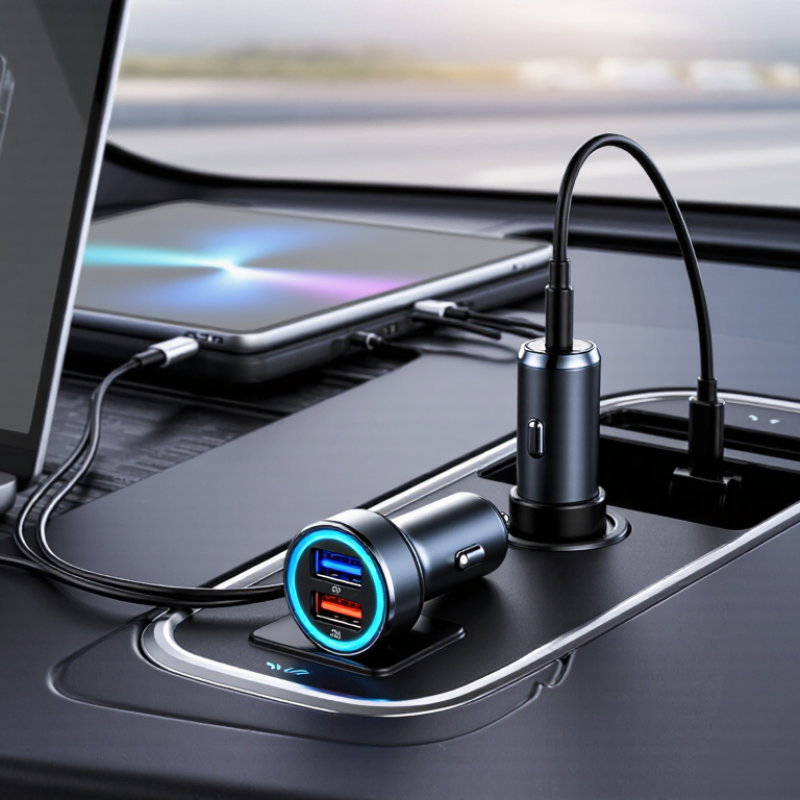
A Type-C car charger is a compact adapter that powers devices through a USB-C port. It connects to the vehicle’s 12-volt socket and converts that input into safer, usable power. Unlike older USB chargers, Type-C can support faster charging and two-way cable connections. The port shape is only part of the story. Charging speed depends on the adapter, cable, and connected device.
Inside the charger, electronic circuits regulate voltage and current. Some models use USB Power Delivery, which lets the charger and device negotiate a suitable power level. A phone may request modest power, while a tablet may draw more. This communication helps prevent unnecessary heat and battery stress. Still, high wattage does not guarantee fast charging. The cable must support the required current, and the device must accept it.
When choosing one, check its supported output rather than trusting a large number on the package. A stable 20 to 30 watts often suits everyday phone use. Measure the socket area if your dashboard has limited space. A loose charger can disconnect over bumps. Look for clear electrical specifications and built-in protection against overheating, overcurrent, and short circuits. In daily driving, I have found that heat matters more than advertised speed. A warm adapter is common; a painfully hot one deserves attention. I also once assumed every Type-C cable performed equally. That was wrong. Some charged slowly, despite fitting perfectly.
Compare Power Output, Charging Speed, and Safety Features
7 Tips for Choosing a Type C Car Charger
Compare Power Output, Charging Speed, and Safety Features
A Type C car charger should match your device’s charging requirements, not just advertise a large wattage number. A 20-watt output usually suits many phones, while tablets may need 30 watts or more. Some compact laptops require higher power and specific USB Power Delivery support. Check the device manual before buying. My early mistake was choosing a charger by its maximum number alone. The phone still charged slowly because the charger and cable used different charging standards.
Charging speed also depends on cable quality, battery temperature, navigation use, and the vehicle’s power socket. Test the charger during a normal journey. Note the battery percentage after twenty minutes with the screen active. That result is more useful than a package claim. Keep it practical.
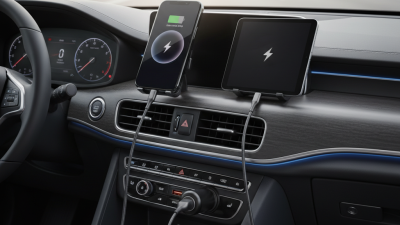
Safety features deserve equal attention. Look for overcurrent, overvoltage, short-circuit, and temperature protection. A stable charger should not become unusually hot beside the dashboard. If the output is shared between two ports, the power available to each port may drop. Read the technical specifications carefully, including input voltage and supported charging protocols. Independent safety certification can provide additional confidence, although certification labels still deserve verification. Higher output is not always better. It may be unnecessary for a small phone and can expose weaknesses in a poor-quality cable. I would also avoid loose plugs, damaged cables, and chargers that disconnect whenever the car moves.
Choose the Right Charger Size, Design, and Cable Arrangement
Tip 1: Choose the right charger size for your vehicle and devices. A compact charger suits small dashboards and crowded sockets. However, check its total output before buying. Some chargers share power between ports, so one device may charge slower when another is connected. I test charging with navigation running, because real driving conditions reveal heat and speed issues.
Tip 2: Examine the design, not only the power rating. A low-profile Type C car charger should sit firmly without blocking nearby controls. Smooth edges make removal easier, especially at night. Look for clear output markings and basic protection against overheating, overcurrent, and short circuits. Keep it simple. Decorative features can become distracting inside a moving vehicle.
Tip 3: Plan the cable arrangement before choosing the charger. A cable that crosses the gear area can catch on a hand or become tangled. Measure the distance from the socket to the phone mount. Short cables reduce clutter, while longer ones offer flexibility for rear passengers. I once selected a cable that looked convenient but bent sharply near the connector. It worked, yet the arrangement was poor. Leave gentle curves, secure loose sections, and avoid stretching the cable across the dashboard. A removable cable also makes replacement easier when the connector eventually wears.
Evaluate Build Quality, Certifications, and Long-Term Value
7 Tips for Choosing a Type C Car Charger
Build quality matters more than glossy packaging. Check for a firm housing, clean port alignment, strain relief, and metal contacts that do not wobble. In daily use, heat is revealing. After thirty minutes of navigation and charging, the adapter should feel warm, not painfully hot. USB-IF’s USB Power Delivery 3.1 specification supports power levels up to 240 watts, but a car charger cannot exceed its vehicle socket or circuit rating. More watts are not automatically better.
Look for verifiable safety marks and readable electrical ratings. Certification from recognized testing bodies can indicate evaluation for overheating, short circuits, insulation, and abnormal conditions. However, a printed logo proves little without a model number or searchable certificate. The European Commission’s 2024 common-charger rules show how strongly regulators now emphasize USB-C compatibility and safety. The IEA’s Global EV Outlook 2024 reported nearly 14 million electric-car sales in 2023, reflecting broader demand for dependable vehicle charging equipment. That trend does not make every Type C adapter durable.
Long-term value includes cable quality, warranty length, thermal protection, and stable output under two-device loads. A cheap unit may save money today, then loosen inside the socket after months of vibration. I would also compare independent test results, not only customer ratings. A small weakness remains: certification databases can be difficult to interpret. Check twice. Choose sensible output, documented protection, and construction that survives real driving.