
Fuse Holder Classification & Wire Gauge Selection Guide – Start with the Right Connection
- fuse holder Classification by Mounting Type
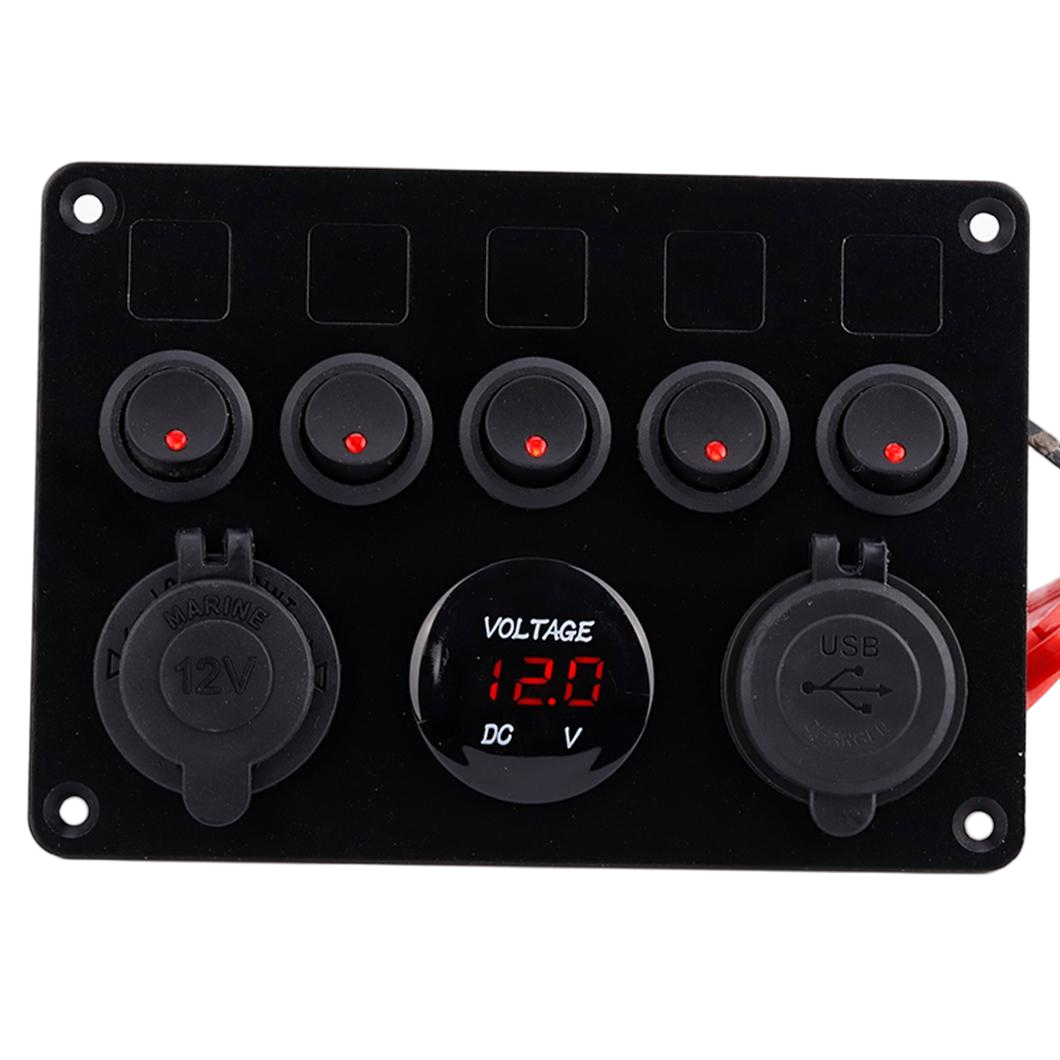
- Panel Mount Fuse Holder – Designed for equipment enclosures, allowing easy fuse replacement from outside.
- PCB Mount Fuse Holder – Soldered directly onto printed circuit boards; space-saving.
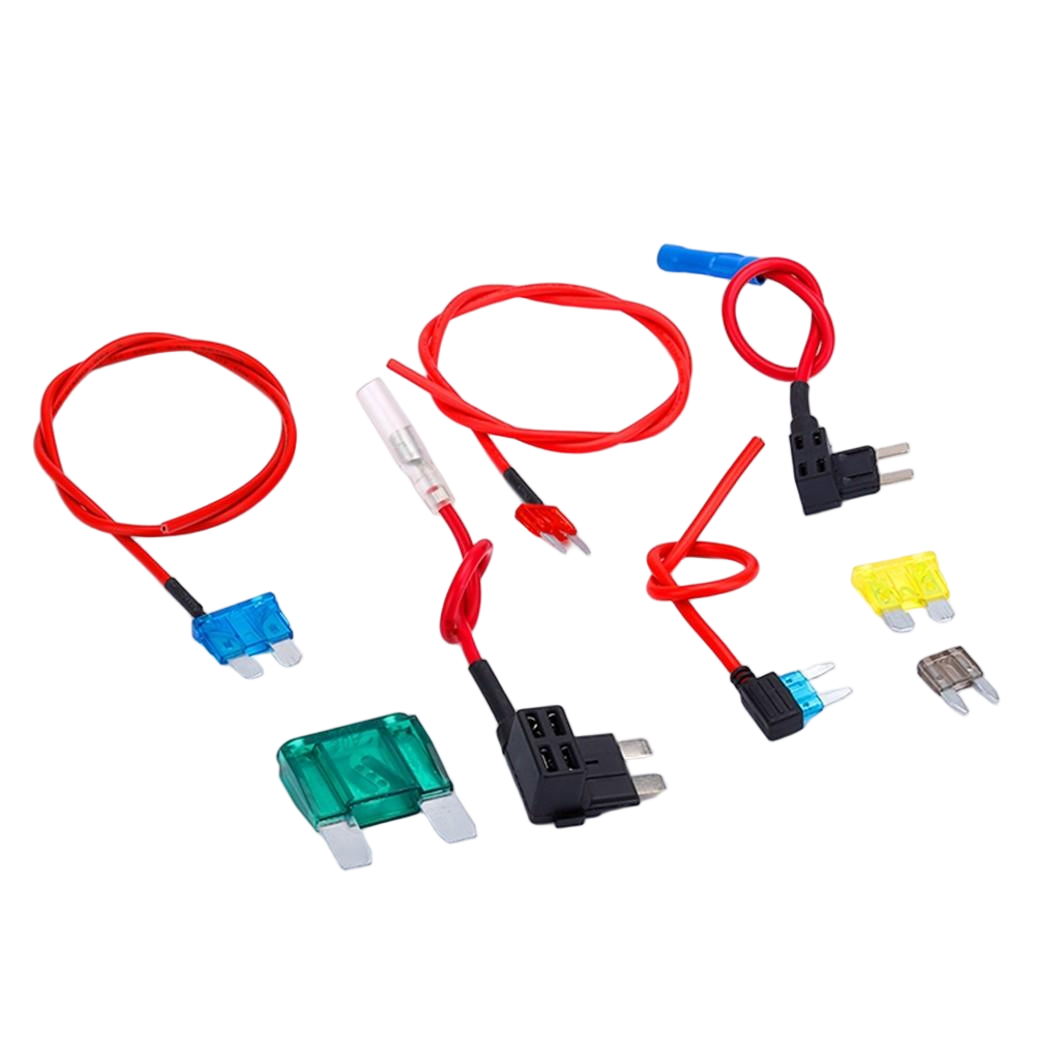
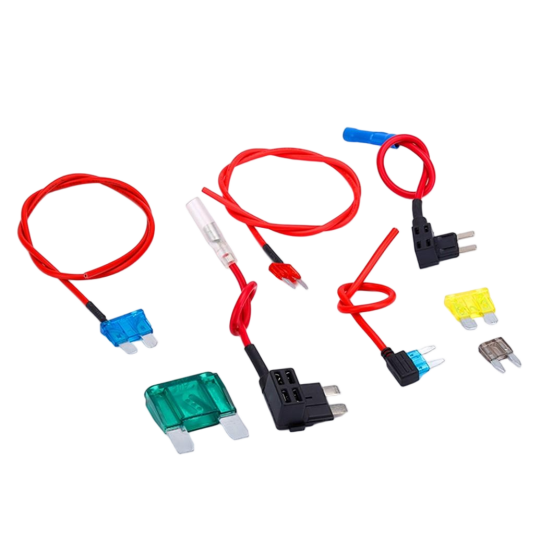
- In-Line Fuse Holder – Splices into a wire run; ideal for harness modifications.
- Classification by Fuse Size Compatibility
Common fuse holder sizes include 5×20mm, 6×30mm, and 10×38mm. Each size matches specific current ratings and breaking capacities.
- Environmental / Sealing Classification
Waterproof (IP67 or higher) vs. standard fuse holder – choose waterproof for outdoor, high-humidity, or automotive under-hood applications.
- Wire Gauge Selection Guidelines
Selecting the correct fuse holder is only half the job. The wire gauge (AWG or mm²) must be rated for the same or higher current than the fuse. Undersized wires cause overheating and fire hazards.
Recommended Reference (Copper wire, short runs <5m)
Fuse Rating Min. Wire Cross-section Typical Application
5A 0.75 mm² (18 AWG) Electronics, small LED lights
10A 1.0 mm² (16 AWG) Home appliances, power cords
15A 1.5 mm² (14 AWG) Power tools, medical devices
20A 2.5 mm² (12 AWG) Industrial controls, solar inverters
Important: For wire runs longer than 5 meters, upsize the wire gauge to compensate for voltage drop. Also verify that the fuse holder terminal accepts your chosen wire gauge; mismatched sizes lead to poor crimping and increased contact resistance.
- Application-Specific Recommendations
- Solar & Energy Storage – Use 10×38mm fuse holder with 2.5 mm² stranded wire minimum.
- Automotive & EV – Prefer waterproof in-line fuse holder; wire gauge ≥1.5 mm² (14 AWG).
- Precision Electronics – Choose PCB mount fuse holder with 0.75 mm² multi-strand copper wire.
Conclusion
Correct fuse holder classification and matched wire gauge are the foundation of a safe, long-lasting electrical system. Always cross-reference fuse datasheets, wire ampacity tables, and fuse holder terminal ratings before finalizing your design.