
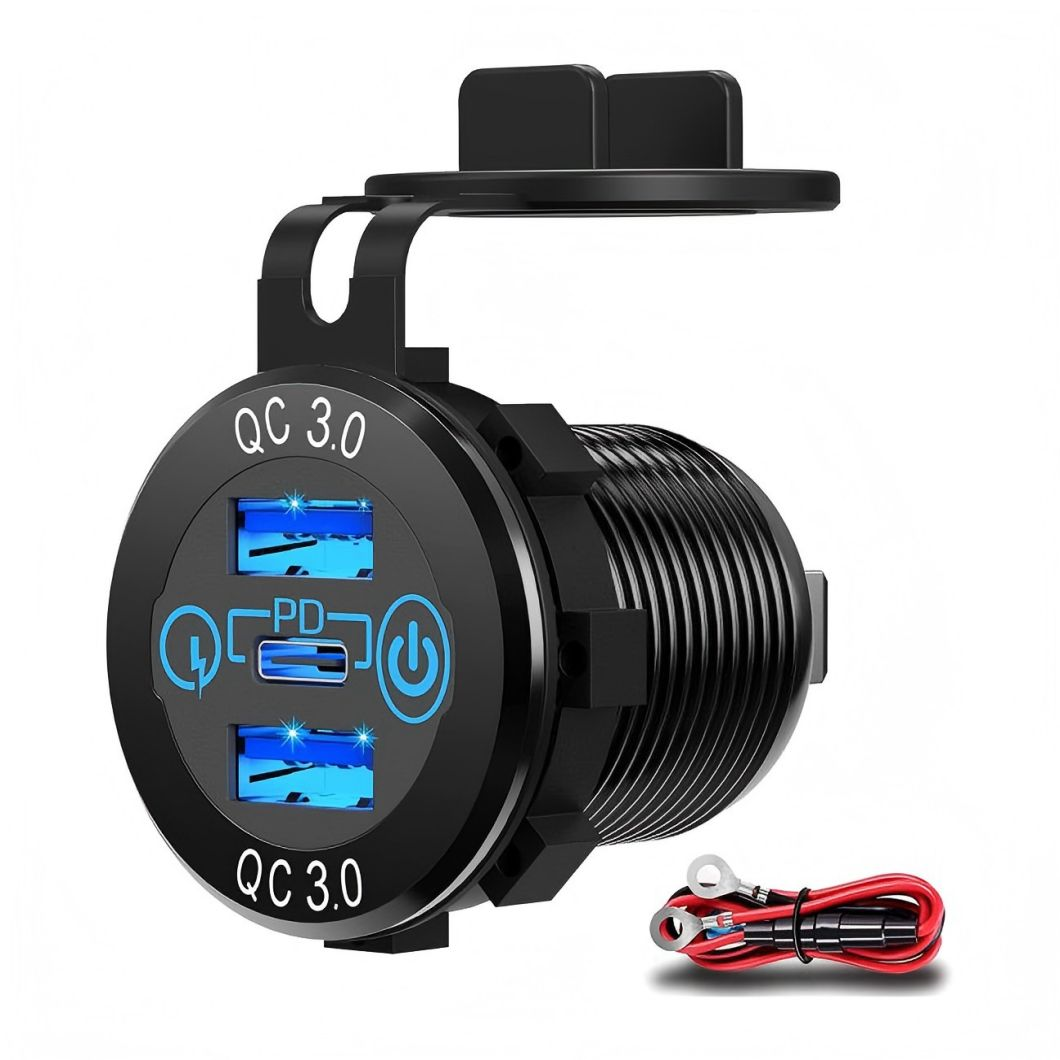
Marine Switch: Product Introduction, Key Functions & Comparison with Rocker Switch
Key Functions
- Deep-Sea Pressure Resistance – Withstands hydrostatic pressure at depths of hundreds of meters or more without deformation or leakage.
- Absolute Waterproof / Watertight – Ensures complete isolation of internal circuits from seawater during long-term immersion or dynamic operation.
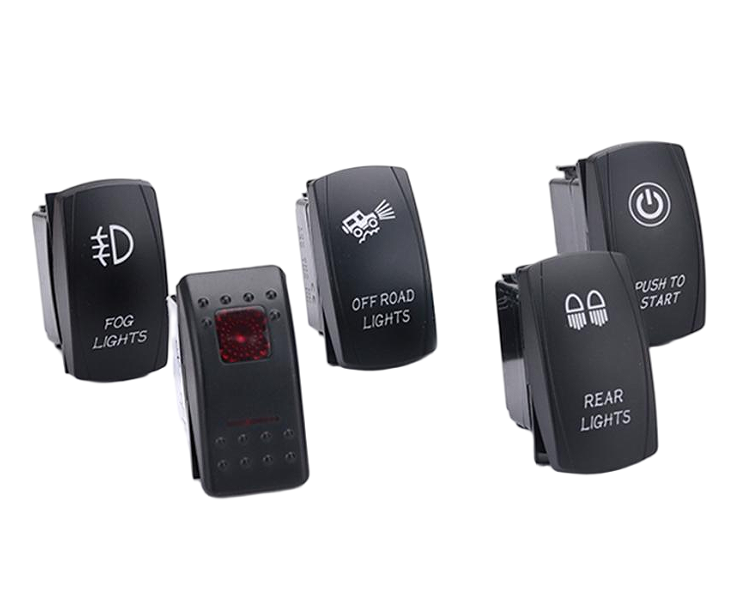
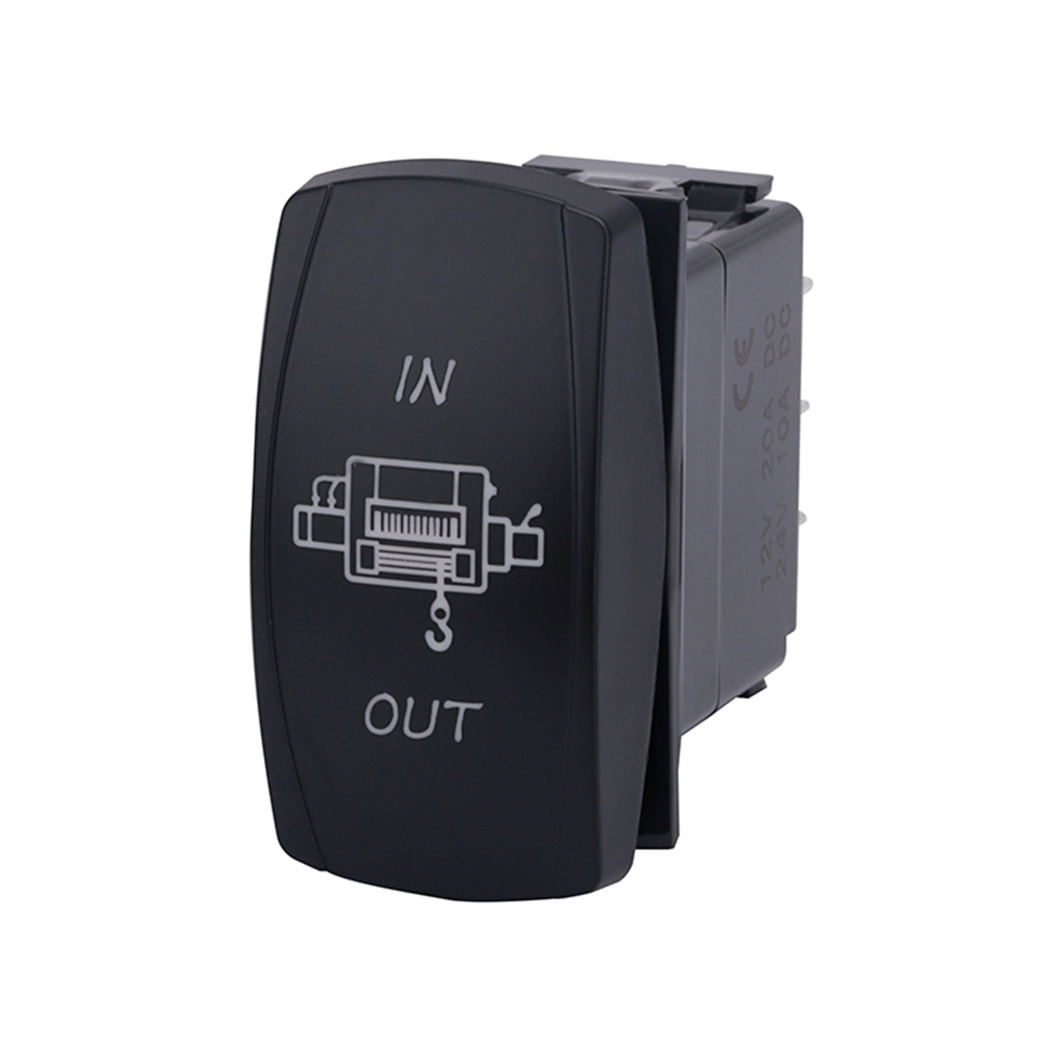
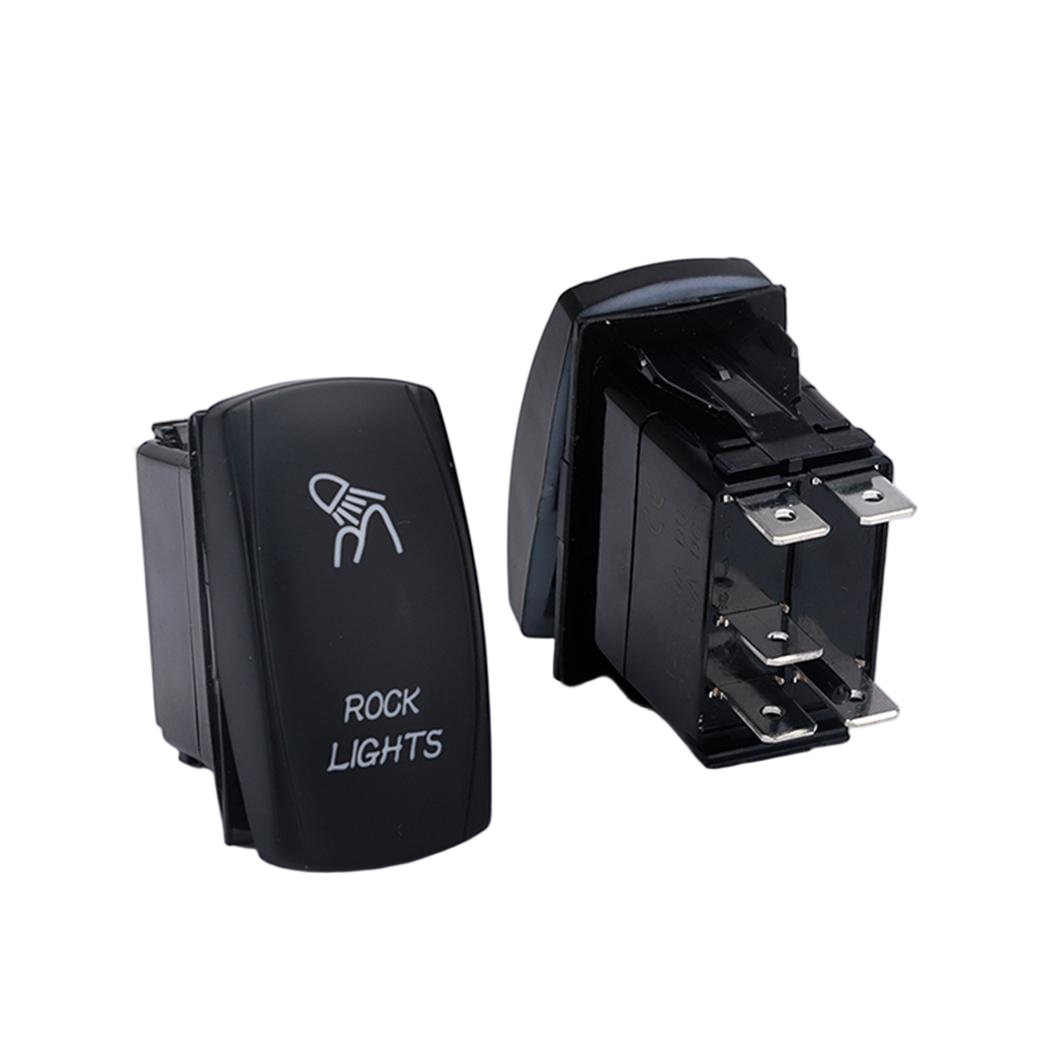
- Custom Laser Marking – The switch cap/cover supports laser engraving for clear symbols (ON/OFF, lights, pumps, etc.), facilitating reliable operation by divers or ROV manipulators in low visibility.
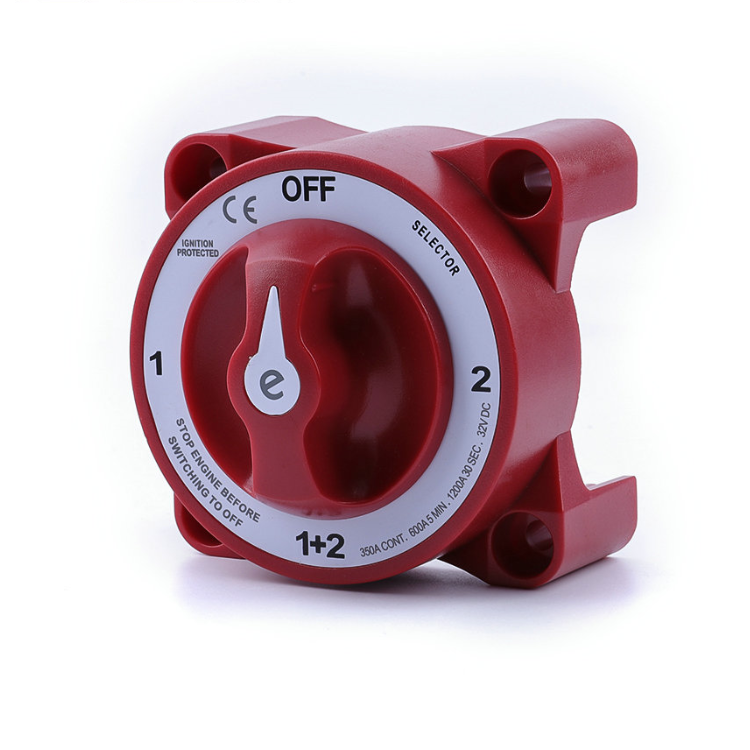
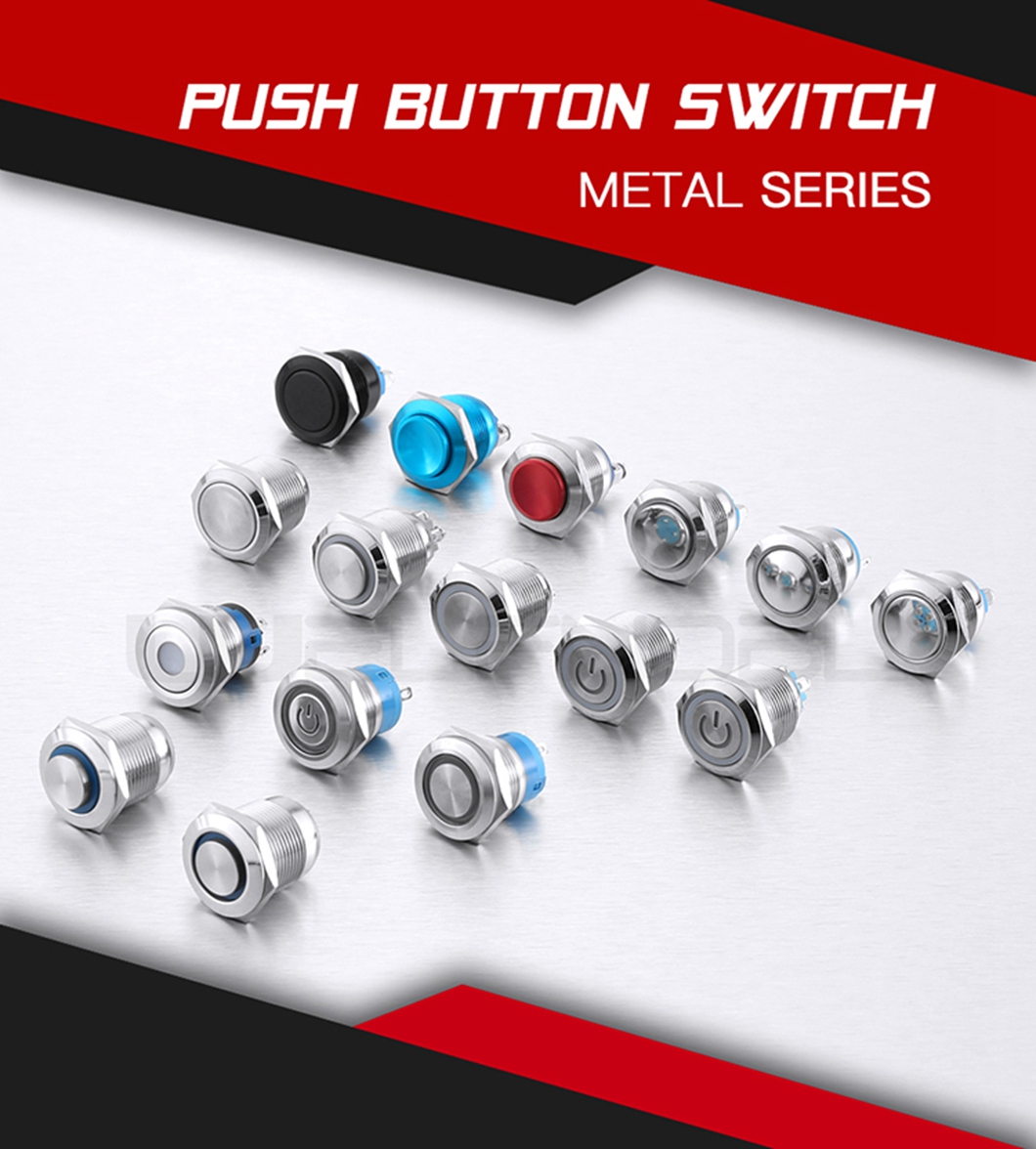
- Multiple Actuation Styles – Available as rocker, toggle, push-button, or rotary types to suit different control panel layouts.
- High Reliability – Resists salt spray, corrosion, and vibration, meeting the long-life requirements of marine and deep-sea environments
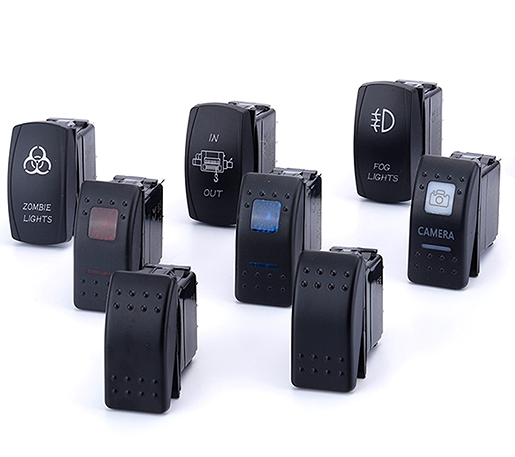
Marine Switch vs. Rocker Switch (Comparison Table)
Product Introduction
Deep-sea marine switches are specialized electrical control components designed for underwater vehicles (e.g., submarines, ROVs), deep-sea equipment, and high-pressure watertight compartments. Unlike common household waterproof switches, they feature housings made of high-strength engineering plastics or corrosion-resistant metals, combined with multi-layer sealing structures (O-rings, potting). This enables genuine deep-sea pressure resistance and watertight integrity. In the industry, they are often referred to as watertight switches, pressure-resistant switches, and are rated to IP68 / IP69K or NEMA 6P standards.
Marine Switch vs. Rocker Switch (Comparison Table)
Aspect Marine Switch Rocker Switch
Primary Application Submarines, ROVs, deep-sea equipment, high-pressure watertight compartments Household appliances (power strips, water dispensers, PC speakers), general industrial control panels
Waterproof Capability True waterproof / watertight, long-term immersion in seawater, typically rated IP68 / IP69K or NEMA 6P Mostly splash-proof or dust-proof; few reach IP68 (static, shallow water), not for deep-sea use
Pressure Resistance Withstands hydrostatic pressure at hundreds of meters (e.g., 300m, 1000m or more) No pressure resistance requirement, only atmospheric pressure
Housing Material High-strength engineering plastics (e.g., PC) or corrosion-resistant metals (stainless steel, naval brass) Ordinary flame-retardant plastics (e.g., ABS, PC)
Sealing Structure Multi-layer O-rings, potting, glass-to-metal sealed terminals Simple snap-fit or single sealing gasket (if any)
Actuation Style Rocker, toggle, push-button, rotary – customizable Primarily rocker; few push-button types
Marking Method Laser engraving – wear-resistant, corrosion-resistant, permanent Mostly screen-printed or molded – prone to wear
Lifetime & Reliability High (tens of thousands of cycles), salt spray resistant, vibration & shock tolerant Moderate (10k~50k cycles), no salt spray or vibration test required
Typical Certifications IP68 / IP69K, NEMA 6P, MIL-spec, DNV/GL class society, etc. UL, CE, CQC, basic IP rating (e.g., IP54)
Cost High (special materials + precision sealing + testing) Low (mass-produced for consumer market)
Note: Some household "rocker switches" are marketed as "marine switches" or "waterproof rocker switches" due to similar appearance. However, their pressure resistance and long-term immersion capability are fundamentally different from true deep-sea marine switches. Always verify the IP rating, pressure rating, and certifications when selecting.