

A Complete Guide to Ignition Switch Panels – Types, Features & Buying Tips
What Is an Ignition Switch Panel?
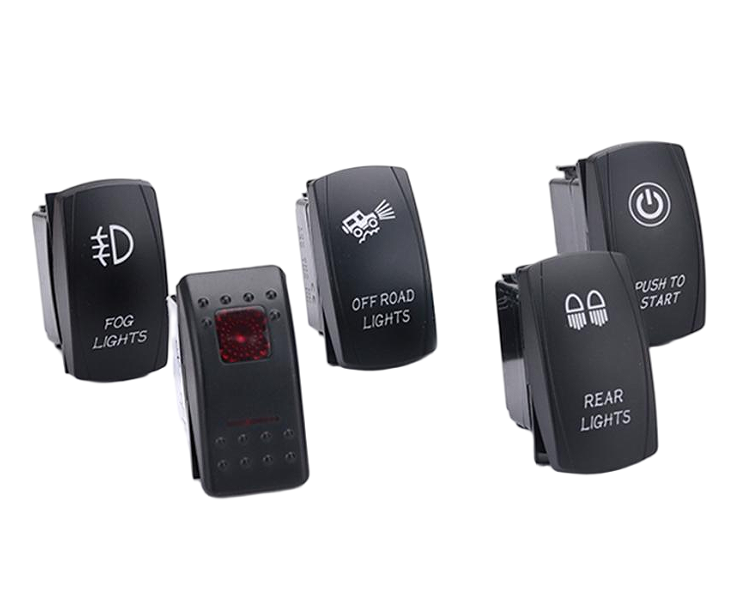
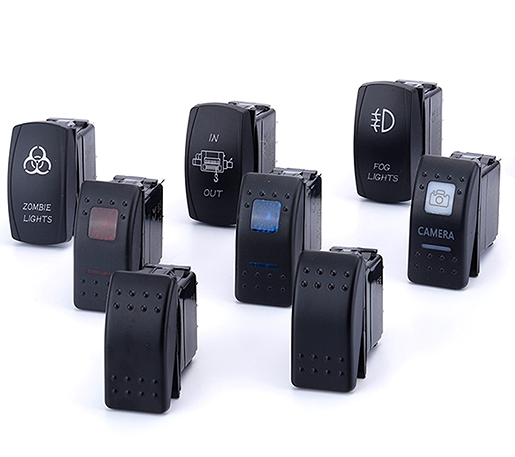
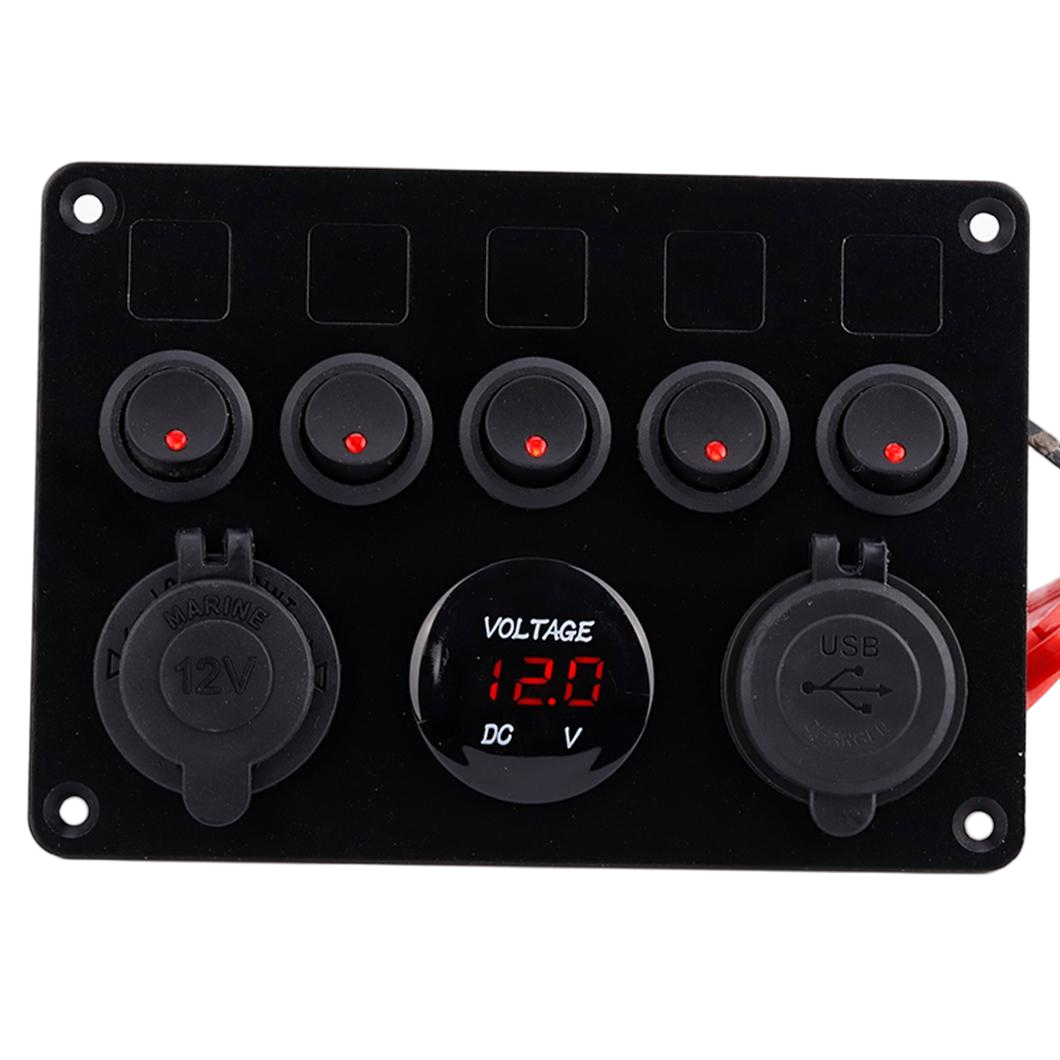
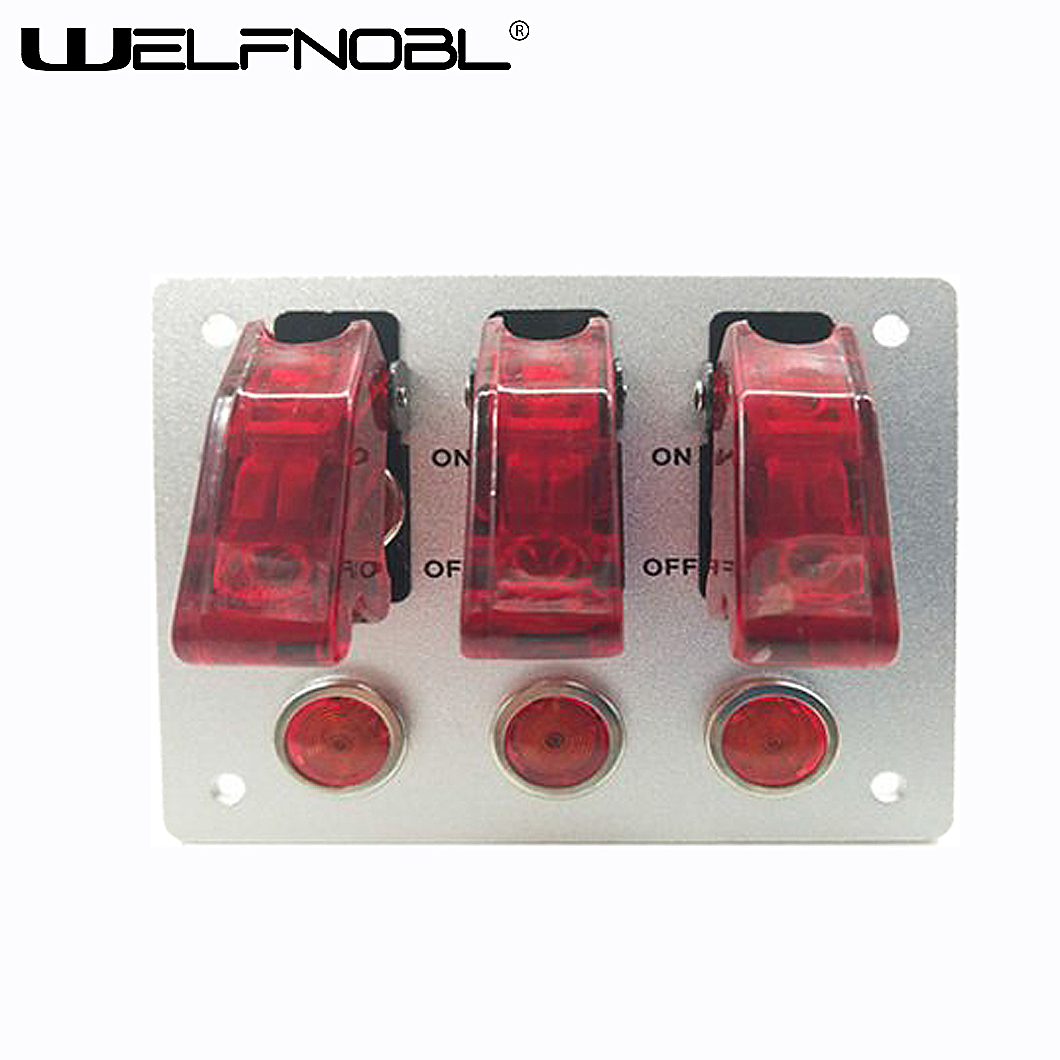
An ignition Switch Panel is a control unit that houses switches, buttons, and sometimes gauges to manage the ignition and electrical systems in vehicles, boats, or industrial equipment. These panels often include:
Key ignition switches – For starting engines securely
Push-button switches – For easy operation
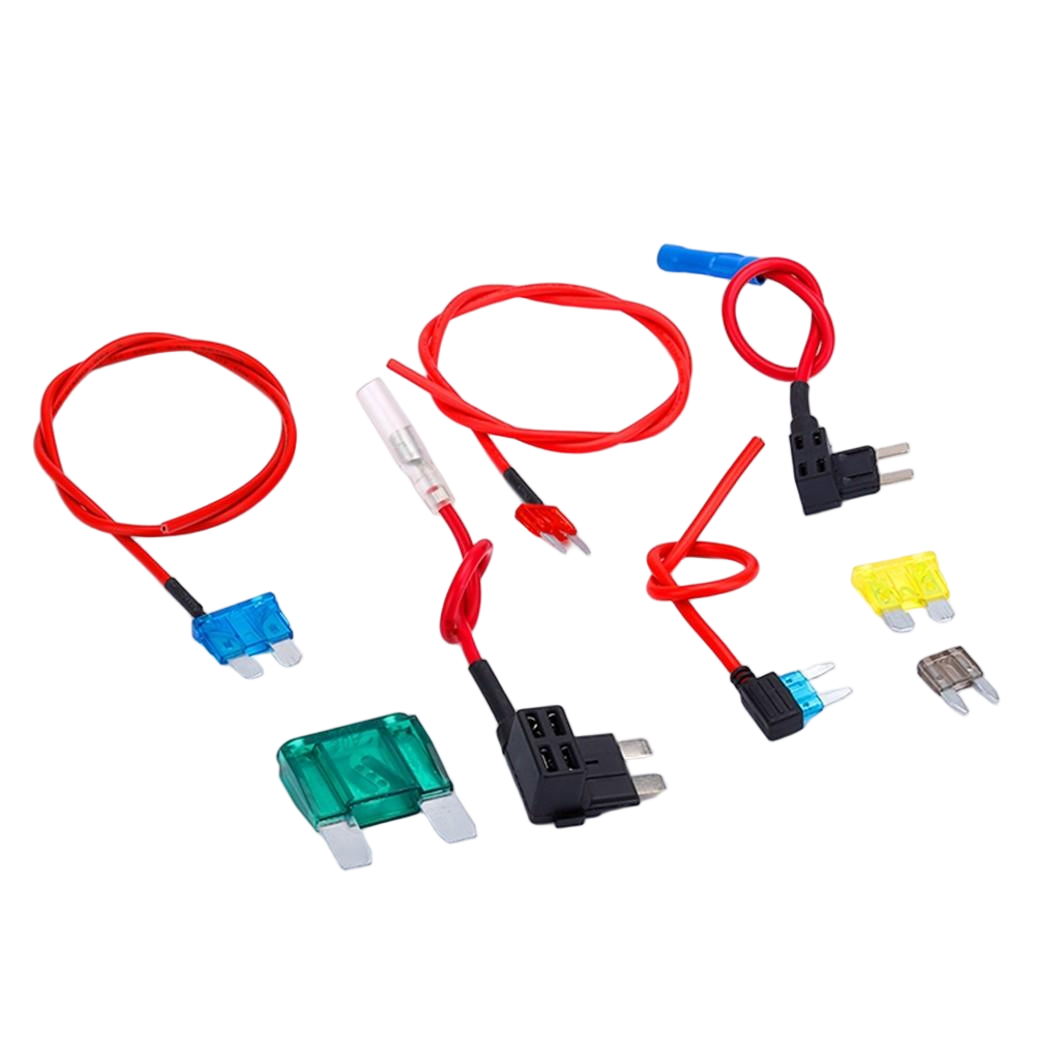
Circuit breakers or fuses – For overload protection
Indicator lights – To monitor system status
Common applications include marine ignition switch panels, automotive dash panels, and heavy equipment control panels.
Types of Ignition Switch Panels
Marine Ignition Switch Panels
Designed for boats and watercraft, these panels are waterproof and corrosion-resistant.
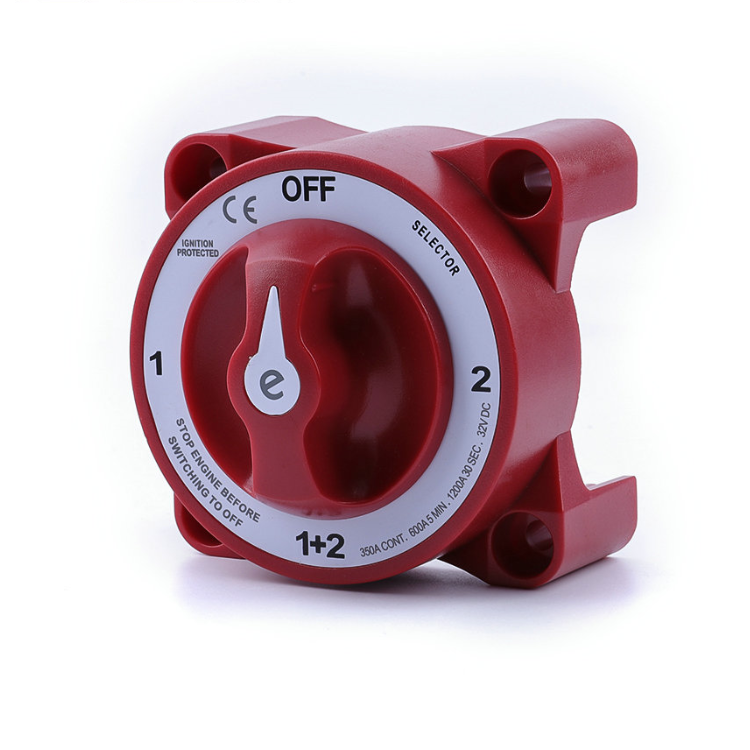
Often include kill switches, bilge pump controls, and navigation light switches.
Popular keywords: boat ignition panel, marine electrical switch panel, waterproof ignition switch.
Automotive Ignition Panels
Used in cars, trucks, and off-road vehicles.
May feature engine start buttons, accessory switches, and 12V/24V compatibility.
Related terms: car ignition control panel, dash-mounted switch panel, vehicle starter switch.
Universal & Custom Switch Panels
Versatile panels that fit multiple applications.
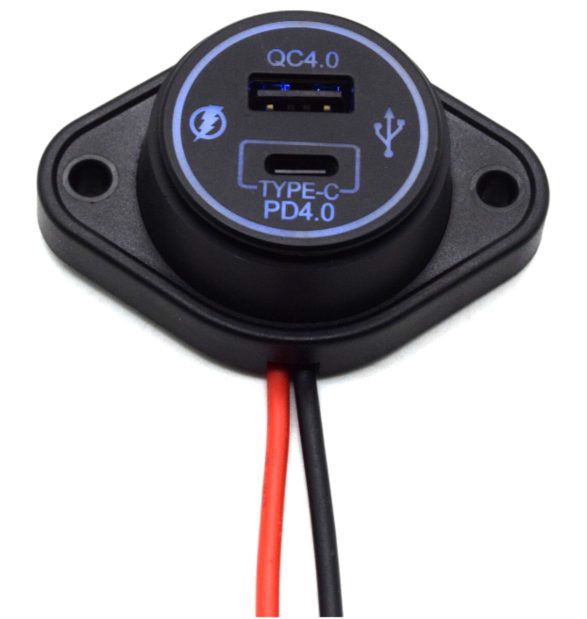
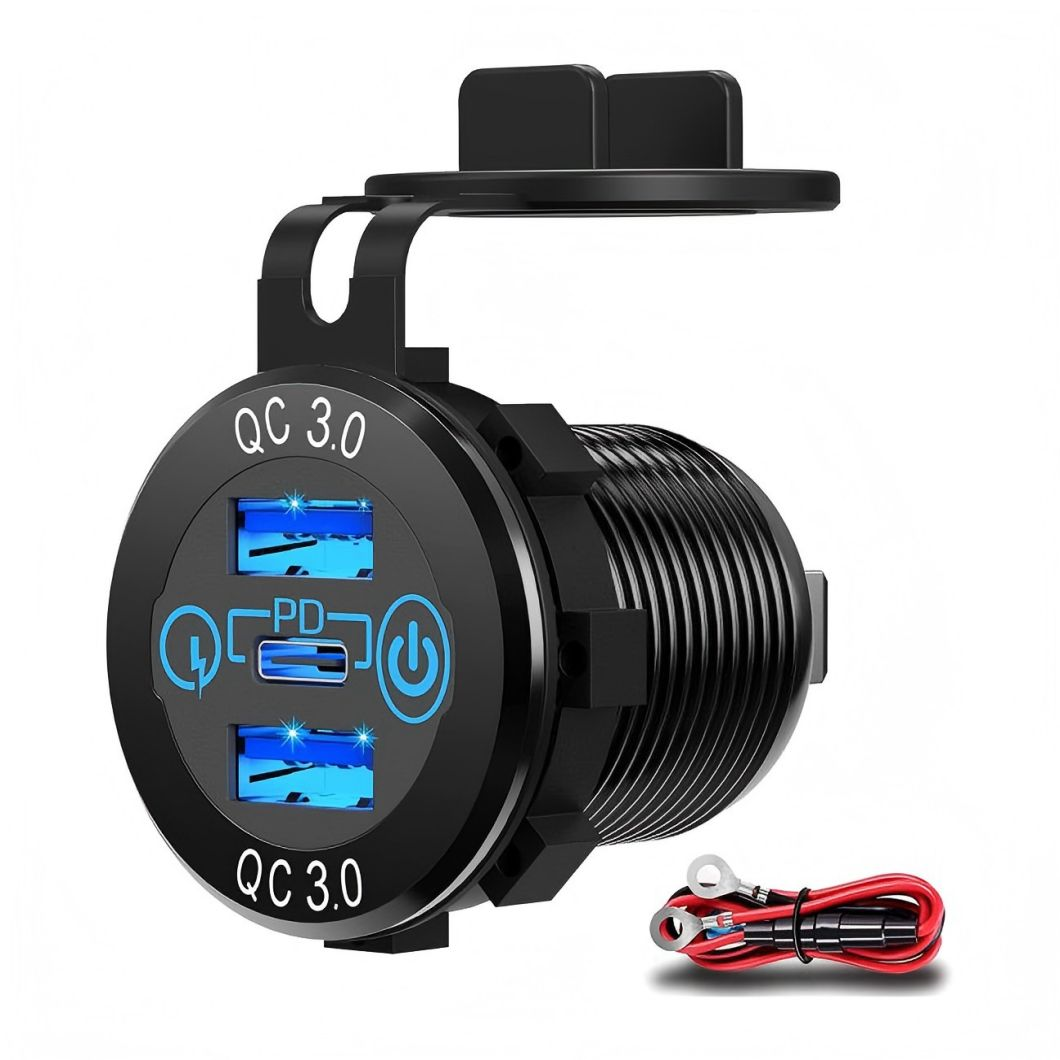
Can be customized with labeled switches, LED backlighting, and USB ports.
Search terms: universal ignition panel, custom switch panel, 12V switch panel.
Key Features to Look For
When buying an ignition switch panel, consider:
✔ Durability – Look for marine-grade stainless steel or UV-resistant plastic.
✔ Waterproof & Dustproof Rating – IP65 or higher is ideal for harsh environments.
✔ Number of Switches – Choose between 2-switch panels up to 12-switch control panels.
✔ Compatibility – Ensure it works with your 12V or 24V system.
✔ Safety Certifications – Check for CE, UL, or ABYC compliance.
How to Install an Ignition Switch Panel
Installing a boat or car ignition panel is straightforward if you follow these steps:
Disconnect the battery for safety.
Mount the panel in a dry, accessible location.
Wire the switches according to the diagram (use a marine-grade wiring kit if needed).
Test all functions before finalizing the installation.
For complex setups, consult a professional to avoid electrical issues.