
Battery Switch: The Complete Guide to Safe Power Management and Isolation
l What Is a Battery Switch?
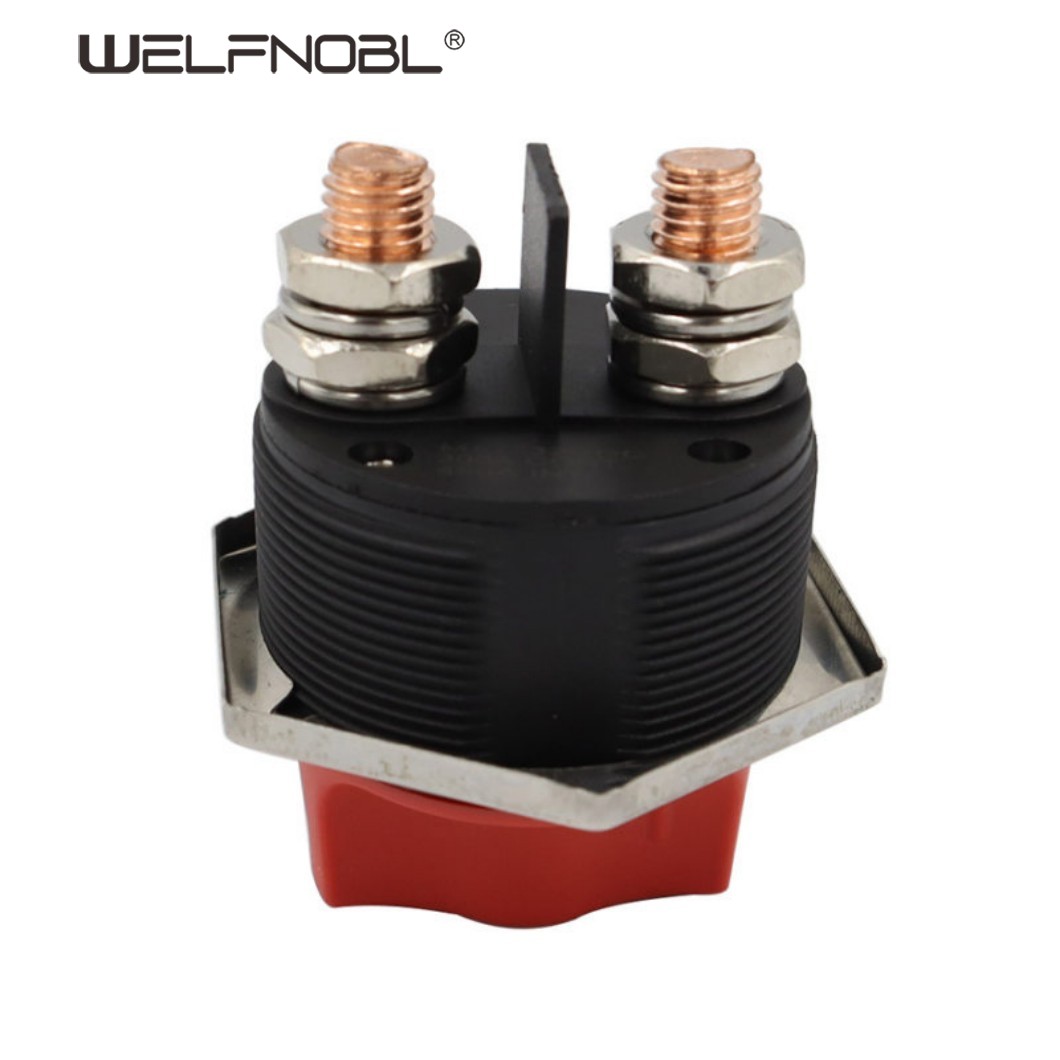
A battery switch is a heavy-duty electrical device designed to safely connect or disconnect batteries from electrical systems. Unlike standard switches, battery switches are engineered to handle high currents (typically 100-1000A) and provide secure isolation for maintenance, safety, or power management purposes. Key features include:
- High-current capacityfor battery-level power handling
- Secure isolationcapabilities for safe maintenance
- Durable constructionto withstand vibration and environmental stress
- Multiple position settingsfor complex power management
- Safety certificationsfor marine, automotive, and industrial use
These switches act as the primary power control point in electrical systems, ensuring safe operation and flexible power management.
l Types of Battery Switches
- Disconnect Switches
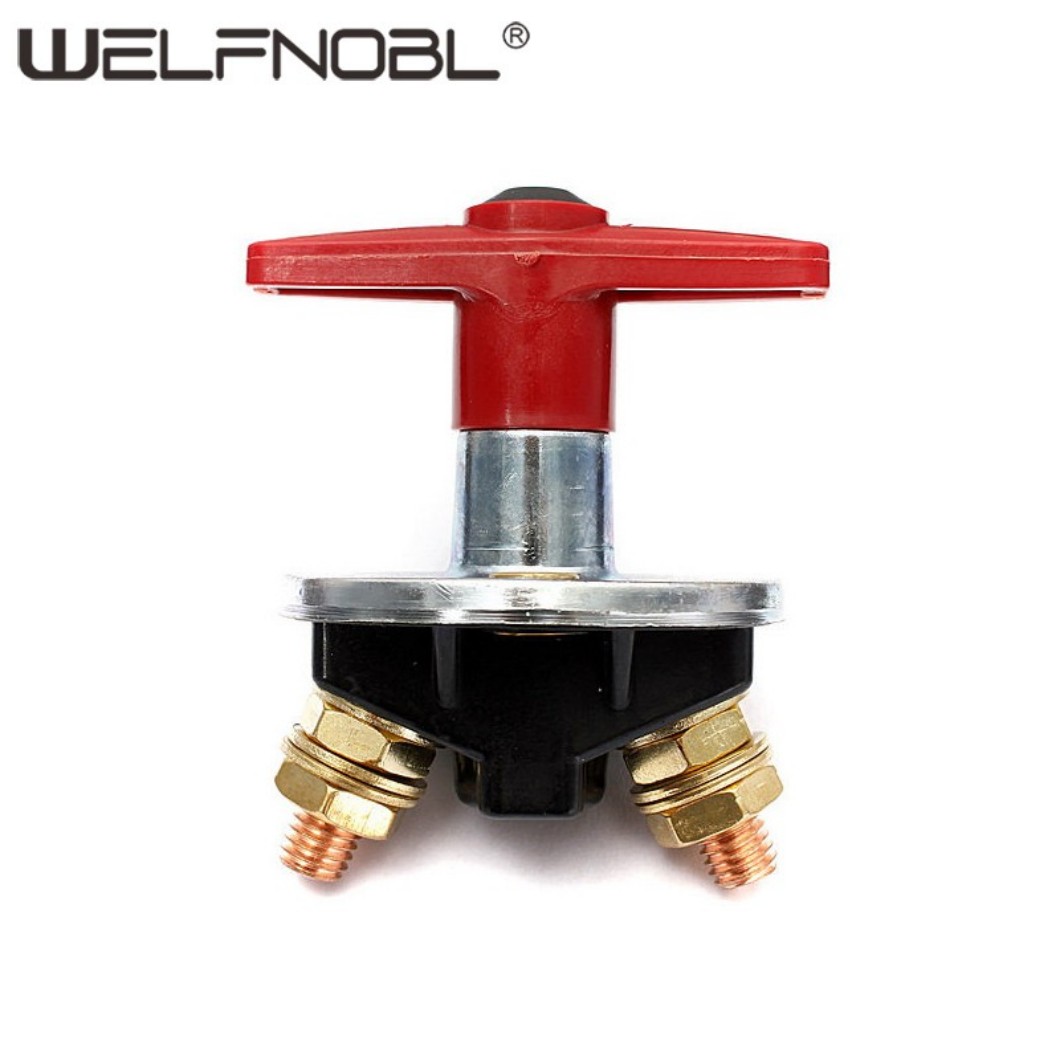
- Single battery disconnect switchesfor basic isolation
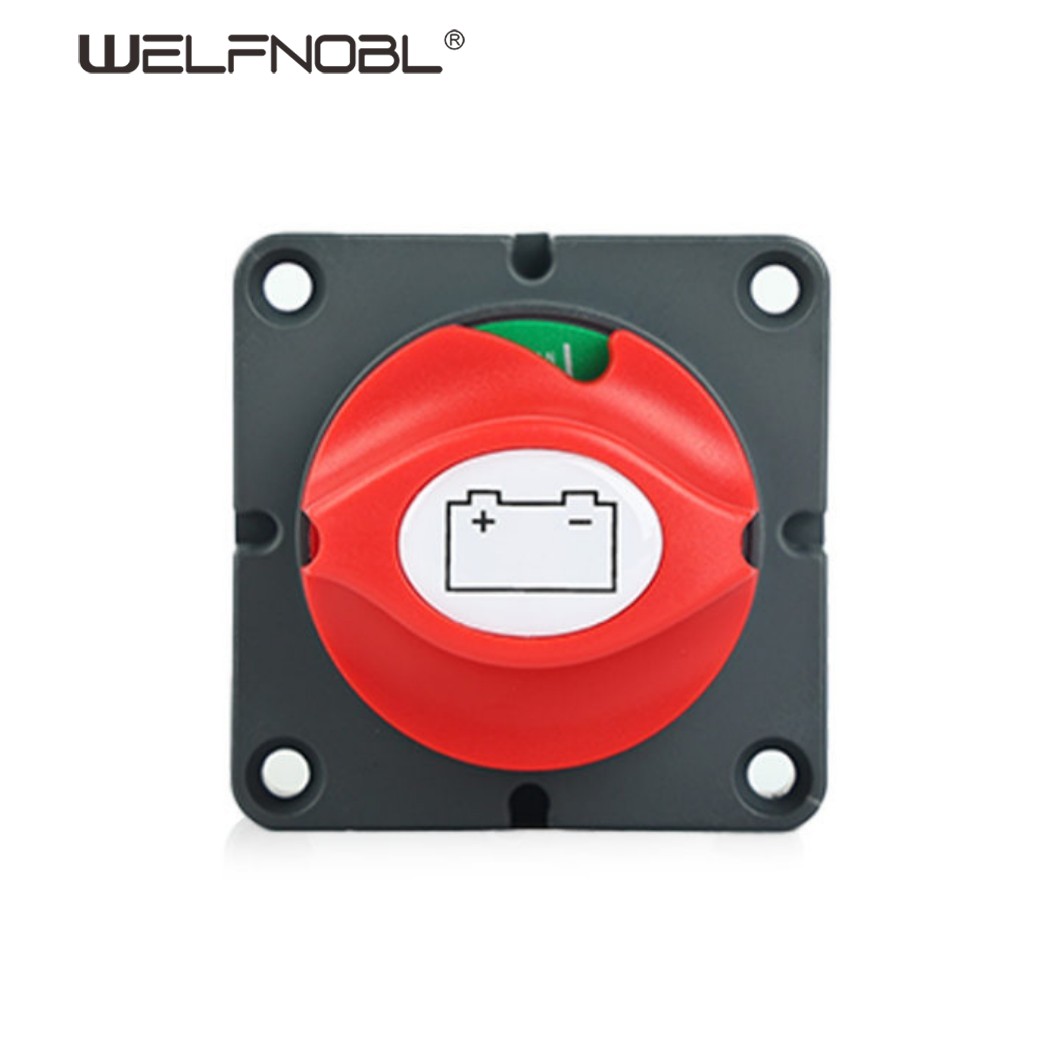
- Emergency battery switcheswith quick-shutoff capability
- Key-operated battery switchesfor security applications
- Remote battery disconnect switchesfor convenient control
- Selector Switches
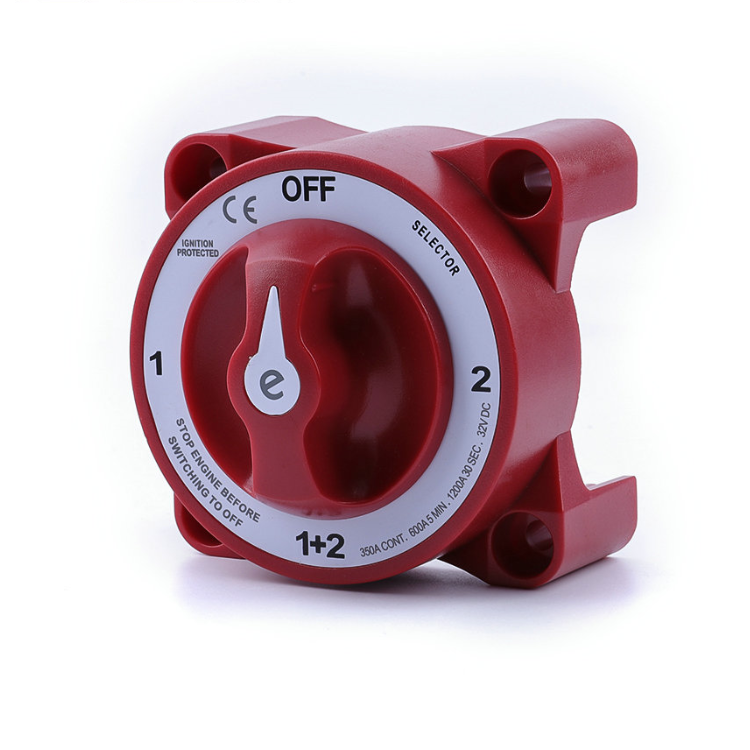
- Battery selector switchesfor dual-battery systems
- Four-position battery switches(OFF-1-2-BOTH)
- Automatic battery switcheswith voltage sensing
- Manual battery changeover switchesfor backup systems
- Marine Battery Switches
- Waterproof marine battery switcheswith corrosion resistance
- USCG-approved battery switchesfor compliance
- Battery master switcheswith emergency off functionality
- Dual circuit battery switchesfor separate systems
- Heavy-Duty Applications
- Continuous duty battery switchesfor high-amperage loads
- Interlocking battery switchesfor parallel systems
- High-voltage battery switchesfor solar and EV applications
- Battery disconnect switches with arc suppression
- Specialty Designs
- Battery switch with fuse integrationfor combined protection
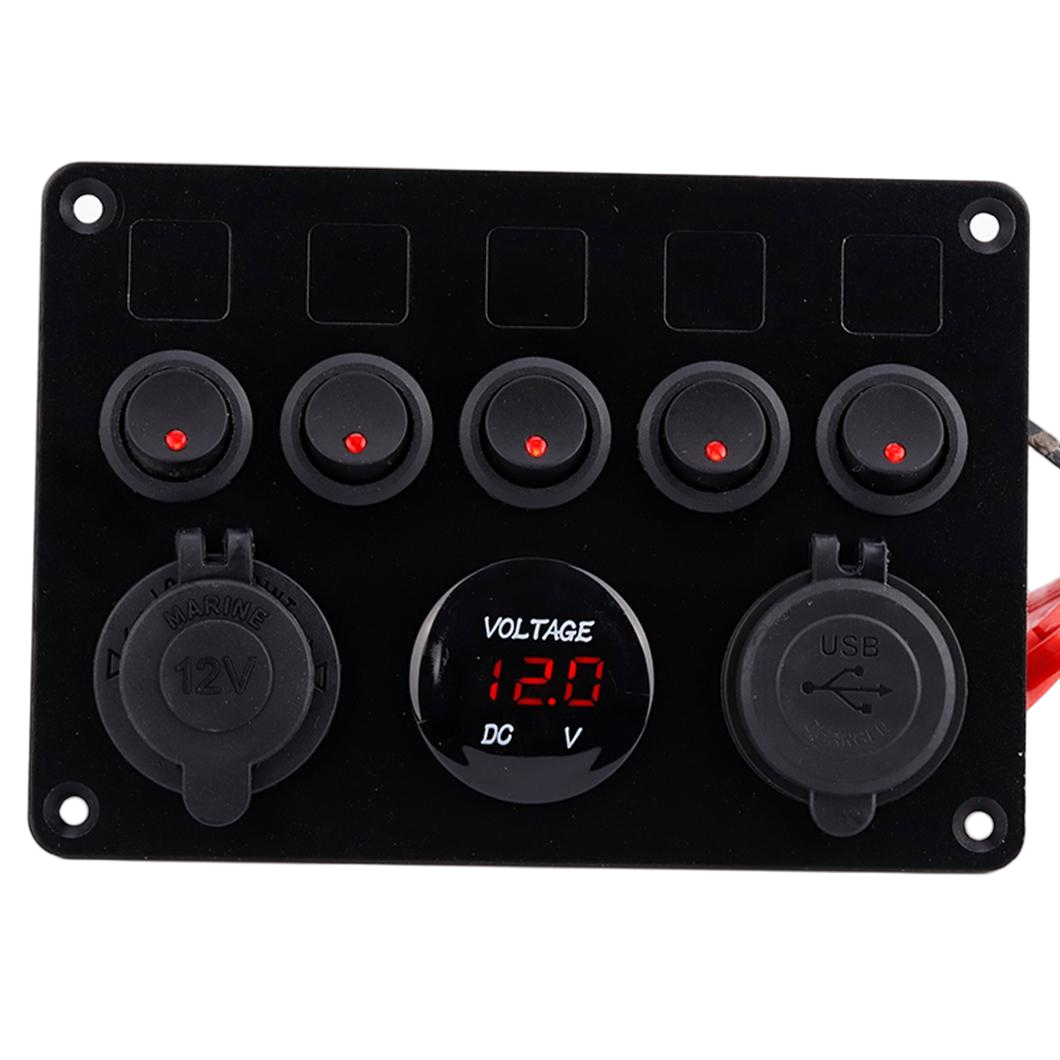
- Battery switch with Voltmeterfor system monitoring
- Smart battery switcheswith Bluetooth monitoring
- Battery cut-off switchesfor racing and safety applications
l Common Applications of Battery Switches
- Marine Systems: Dual-battery management, emergency shutdown
- Recreational Vehicles: House battery control, charging management
- Automotive Applications: Car audio systems, off-road vehicles
- Solar Power Systems: Battery bank isolation, maintenance safety
- Industrial Equipment: Generator backup systems, equipment isolation
- Emergency Vehicles: Power management for critical systems
- Golf Carts and EVs: Battery pack disconnection for service
- Boat and RV Storage: Long-term battery preservation
l How to Choose the Right Battery Switch?
- Electrical Specifications
- Current ratingmust exceed maximum system current
- Voltage compatibility(12V, 24V, 48V, or higher)
- Continuous vs. intermittent dutyratings
- Peak current handlingfor motor starting loads
- Application Requirements
- Number of batteriesin your system
- Power management needs(simple disconnect vs. complex switching)
- Safety priorities(emergency off requirements)
- Usage environment(marine, automotive, stationary)
- Environmental Considerations
- IP ratingfor moisture and dust protection
- Corrosion resistancefor marine environments
- Temperature rangefor your climate conditions
- Vibration resistancefor mobile applications
- Installation Factors
- Mounting style(panel, surface, or remote mounting)
- Cable size compatibilityfor your wiring
- Space constraintsin installation area
- Operator accessibilityfor regular use
- Safety and Compliance
- Safety certifications(UL, CE, ABYC, USCG)
- Arc suppressionfor safe load breaking
- Insulation qualityand dielectric strength
- Industry-specific compliancerequirements
l Why Choose Battery Switches Over Other Disconnect Methods?
Compared to Circuit Breakers
✔True physical isolation for complete safety
✔Higher current capacity for battery-level applications
✔More reliable for emergency shutdown situations
✔Longer mechanical life for frequent operation
Compared to Manual Disconnects
✔Safer operation with proper enclosures
✔Easier switching with ergonomic handles
✔Multiple position options for complex systems
✔Better contact design for reduced voltage drop
Compared to Relay-Based Systems
✔No power required for operation
✔Higher reliability with mechanical contacts
✔Lower voltage drop for better efficiency
✔Simpler installation and troubleshooting
l Final Thoughts
Battery switches represent a fundamental safety component in any electrical system relying on battery power. Their ability to provide secure isolation, manage multiple power sources, and ensure operational safety makes them indispensable for marine, automotive, RV, and industrial applications. By selecting the appropriate battery switch based on your specific electrical requirements, safety needs, and operational environment, you ensure both system reliability and user safety.
Upgrade your power management system with our range of high-quality battery switches, featuring robust construction, safety certifications, and expert technical support for your specific application requirements.