


Can a car-mounted USB really charge quickly? Don't charge blindly! Be careful to avoid premature battery failure in your phone
First and foremost—the most crucial aspect: current specifications. I used to think all car USB ports were pretty much the same, but after doing some research, I realized the differences are huge. Some older cars, like my friend’s eight-year-old Bora, have USB ports with only 0.5A of current. Charging a modern smartphone with such a port is like putting a drop of water into a bucket. You see, today’s smartphones require at least 1A of charging current. With just 0.5A, not only does the phone charge slowly, but the lack of sufficient power may also cause the device to overheat. I once had a phone that got so hot on the back it could fry an egg—scary enough that I immediately unplugged it.
However, not all cars are like this. The SUV my neighbor just bought has a USB port in the armrest that can deliver up to 2A, and some cars even go up to 3A. But there's a catch—don't just look at the current rating; you also need to consider the port's intended use. I once rented a car where the USB port next to the driver's seat was labeled 5V/2.1A. Thinking it could fast charge, I was disappointed when I realized it was mainly for data transfer, and the charging speed was still painfully slow. Later, I learned from a dealership technician that some ports, despite having high current ratings, are actually designed for connecting USB drives to play music. Charging is just a secondary function, and due to protocol mismatches, fast charging isn't possible.

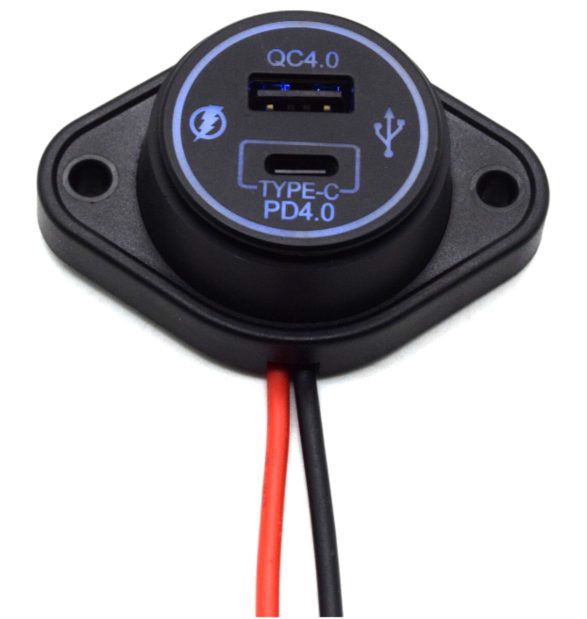
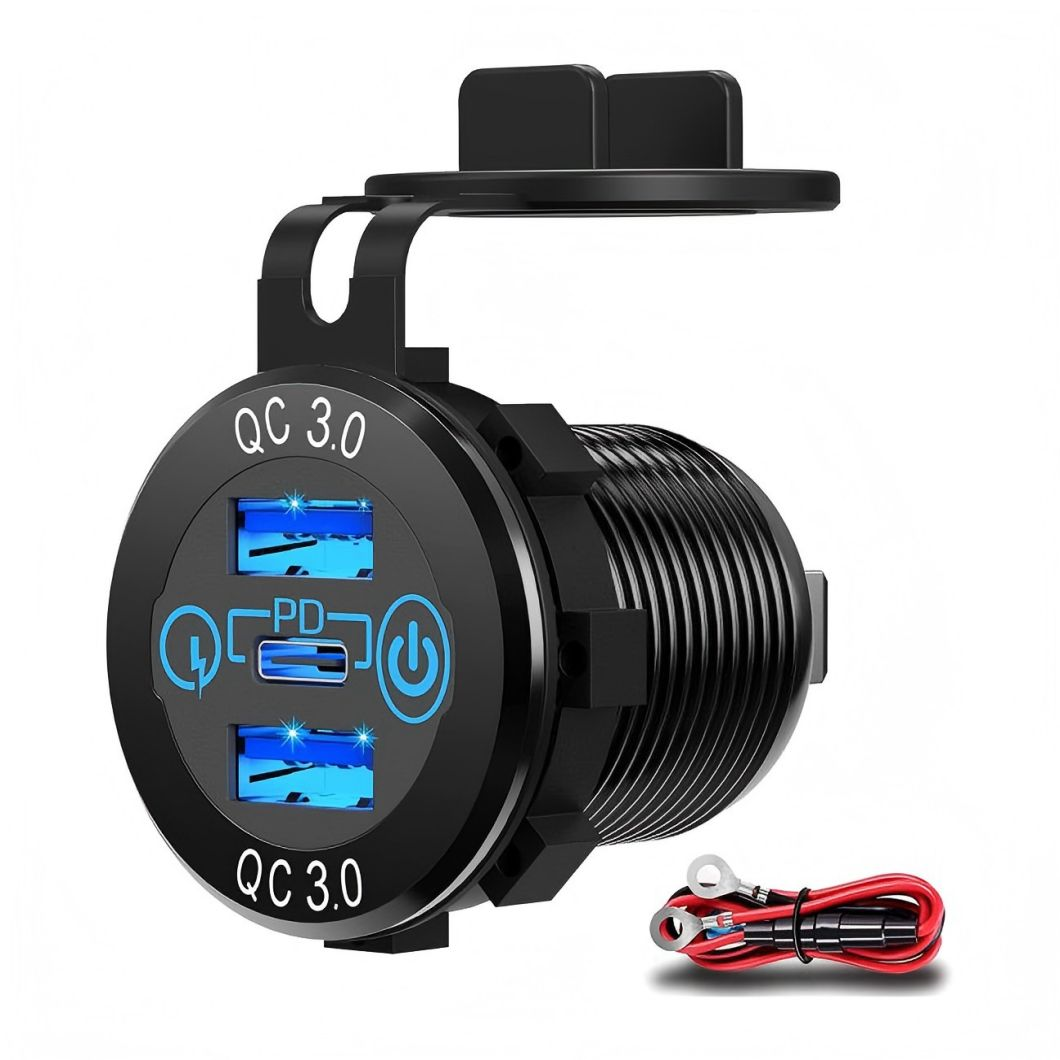
Let’s talk about fast charging. Nowadays, many smartphones support fast charging technologies like QC3.0 or PD fast charging, but whether the car’s USB port supports these depends on the vehicle’s configuration. My colleague’s car comes with a built-in Type-C port that supports PD fast charging. He said it can charge his phone from 0% to 80% in just over half an hour, which is about the same as using a home fast charger. However, this kind of setup is usually only found in new cars or higher-end models. Most older vehicles’ USB ports don’t even support the most basic QC2.0 standard. I once tried charging my fast-charging phone using an older car’s USB port, but after two hours, it only reached 40%. It was slower than using a power bank.
The most concerning issue is battery damage. I once read online that using a car USB for long-term charging could cause phone batteries to swell. At first, I didn’t believe it, but my cousin’s phone started showing this problem. She used the car USB to charge her phone every day for work, and within less than a year, the battery failed. When she replaced it, the technician explained that the issue was due to prolonged charging with non-standard interfaces, which led to excessive battery wear. Later, I researched and learned that low-quality car USBs or unstable charging ports can generate too much heat during charging. Over time, the electrolyte in the battery evaporates, causing swelling. In severe cases, it can even lead to short circuits.
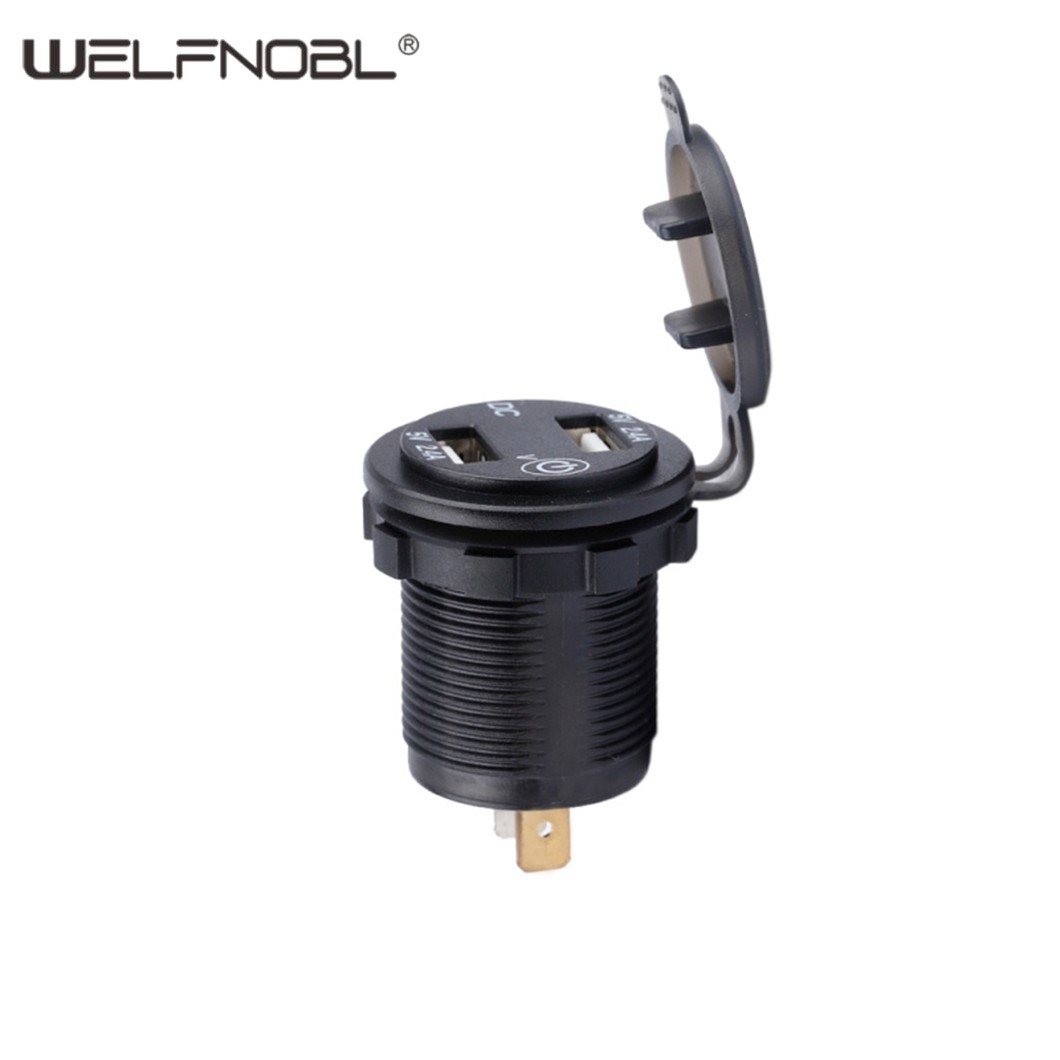
How can we avoid it? Firstly, it is necessary to clarify the specifications of the USB port on your car. It is best to read the manual or use a multimeter to test it (of course, do not blindly test if you do not understand the circuit, as it may cause accidents). If the current of the USB port in the car is too low and you want fast charging, then buy a reliable car charger that can be plugged into the cigarette lighter. I am currently using a car charger that supports QC3.0. Charging my phone is much faster than the original car's USB port, and it also has overcurrent protection, so you don't have to worry about damaging the battery. However, when buying, be sure to choose a legitimate brand and avoid buying products that cost only a few tens of yuan. I bought one before for the sake of cheapness, and after using it for only a few days, the fuse burned out, almost causing damage to the car.
Another thing to note is to try not to play with your phone while charging while driving. I tried it once before, and when my phone was charging, it was already a bit hot. When I played games again, the temperature skyrocketed to over 40 degrees. Later, I quickly turned off the game. The repairman said that when charging, the phone itself will heat up, and running high power consuming programs will make the battery burden heavier. In the long run, this will definitely shorten the battery life.
Actually, car USB charging is an emergency tool. If you want fast charging without damaging the battery, it's best to fully charge it at home or in the office before going out. I have developed the habit of charging before bedtime now. When I go out in the morning, my phone is fully charged and I hardly need to charge it on the way, saving me trouble. Of course, if you are traveling long distances, it is still necessary to have a reliable car charger, but be careful not to buy counterfeit products.