

Digital Display Meters: A Complete Guide to Types, Uses, and Selection Tips
What Is a Digital Display Meter?
A digital display meter is an electronic device that shows measured values in numeric form (as opposed to analog dials). These meters are widely used in:
Industrial automation (monitoring machinery performance)
Energy management (tracking power consumption)
Automotive & marine systems (battery voltage, fuel levels)
HVAC & refrigeration (temperature and humidity control)
Laboratory & testing equipment (precision measurements)
Key benefits include:
✔ High accuracy (compared to analog meters)
✔ Easy-to-read LCD/LED displays
✔ Programmable settings (alarms, data logging)
✔ Compact & durable designs
Types of Digital Display Meters
Digital Voltmeter (DVM)
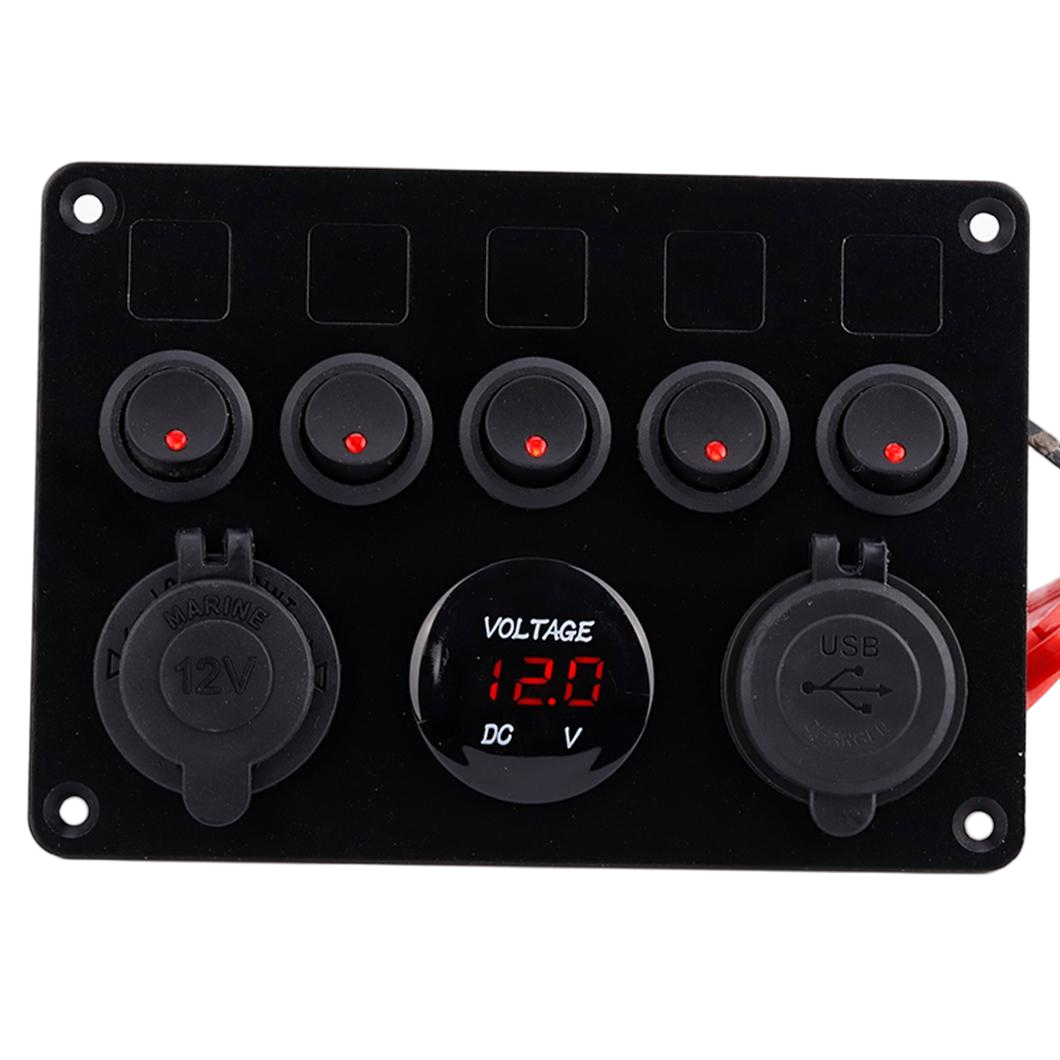
Measures AC/DC voltage (e.g., 12V/24V digital voltmeter for cars & boats).
Used in battery monitoring, solar systems, and electrical panels.
Digital Ammeter (Current Meter)
Tracks current flow in circuits.
Common in energy meters, industrial control panels.
Digital Multimeter (DMM)
Combines voltage, current, resistance, and continuity testing.
Popular for electrical troubleshooting.
Digital Temperature Meter (Thermometer)
Displays real-time temperature readings (with probes or infrared sensors).
Used in HVAC, food storage, and industrial processes.
Digital Pressure Meter (Manometer)
Measures gas/liquid pressure (e.g., tire pressure gauges, hydraulic systems).
Digital Frequency Meter
Monitors AC frequency (critical for generators & power grids).
Digital Power Meter (Wattmeter)
Calculates wattage, kWh, and power factor (for energy audits).
Digital Flow Meter
Measures liquid/gas flow rates (used in water treatment, fuel systems).
Key Features to Consider When Choosing a Digital Display Meter
Measurement Range (e.g., 0-100V, -50°C to 300°C)
Accuracy Class (±0.5%, ±1%, etc.)
Display Type (LCD, LED, OLED – backlit displays for low-light conditions)
Input Type (AC/DC, RTD, thermocouple, 4-20mA signal)
Communication Options (RS-485, Bluetooth, Wi-Fi for remote monitoring)
Enclosure Rating (IP65 waterproof, explosion-proof for industrial use)
Mounting Style (panel mount, DIN rail, handheld)
How to Install & Use a Digital Display Meter
Select the right meter for your application (voltage, current, etc.).
Wire the meter correctly (follow the wiring diagram).
Calibrate if needed (some meters allow manual adjustment).
Mount securely (panel, DIN rail, or handheld).
Monitor & record data (some models support data logging).
(For detailed installation, check our digital meter wiring guide.)