

How Much Do You Know About Car Fuses?
Basic Knowledge of Car Fuses
The primary function of a fuse is to melt and provide circuit protection when the current in the circuit is abnormal and exceeds its rated current.
A fuse has two important operating parameters: the rated current and the rated voltage. When selecting a fuse, it is essential to choose one that corresponds to the current and voltage of the circuit.
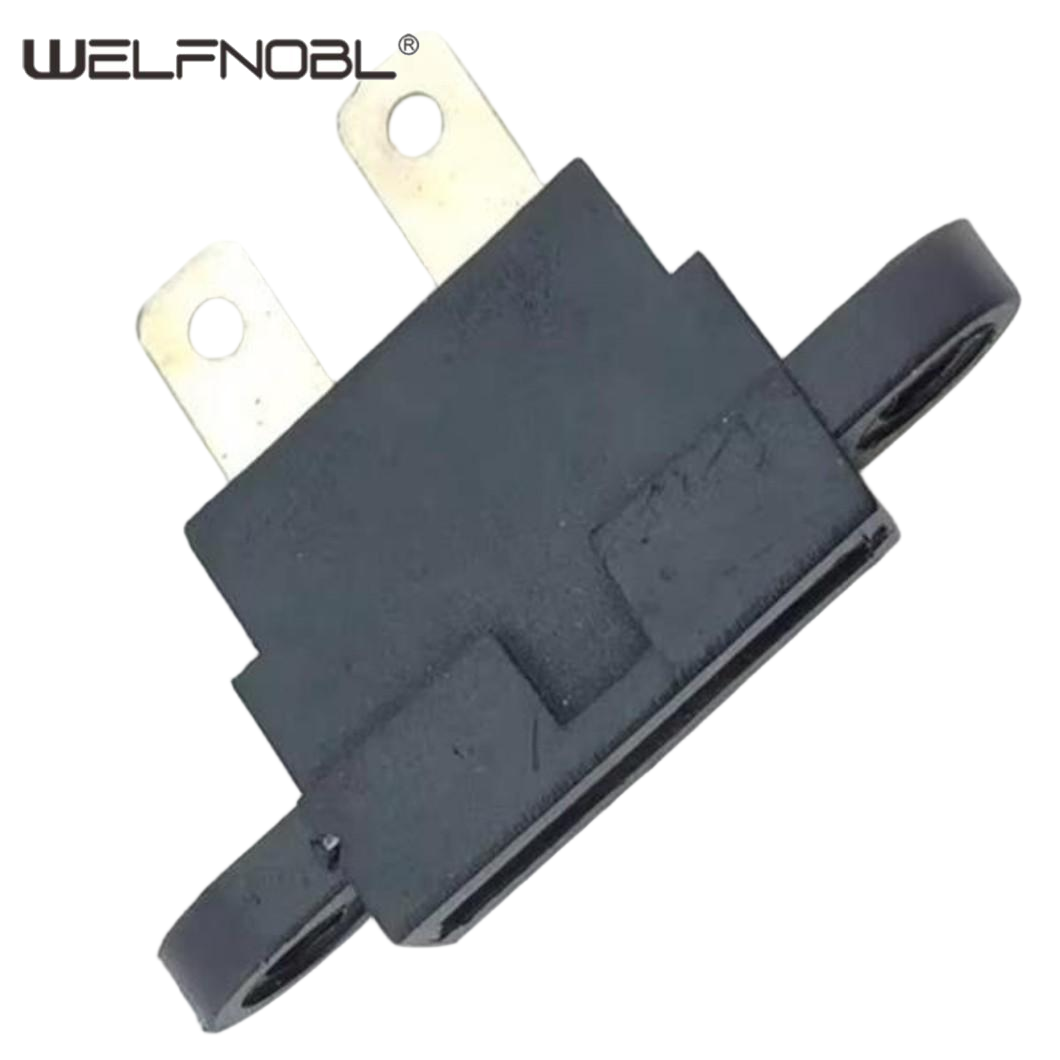
Structurally, automotive fuses typically feature a plug-in design, with an engineering plastic housing that encases a fusible element made of zinc or copper. The metal fusible element is connected to the terminals.
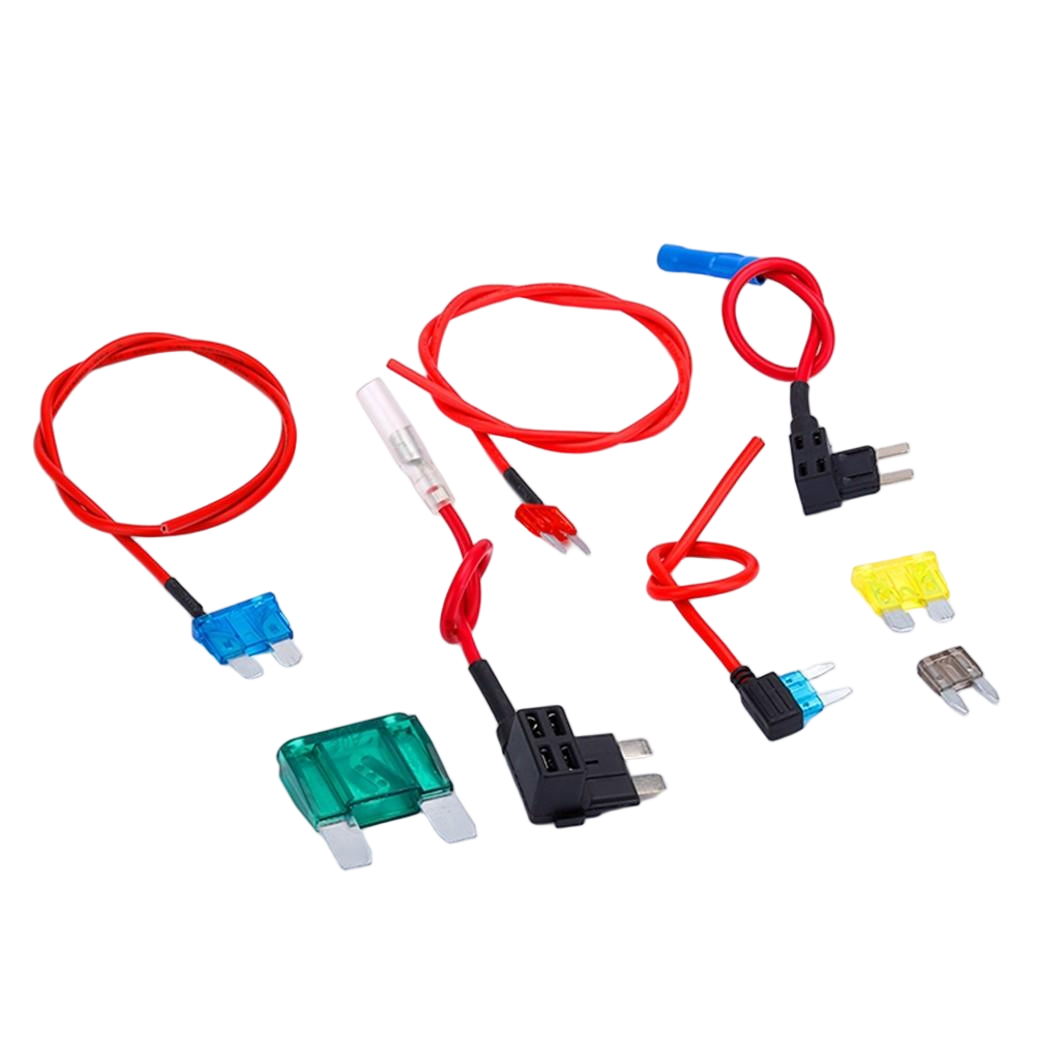
The specifications of blade-type automotive fuses generally range from 2 A to 40 A, with the rated current value marked at the top of the fuse. If the fuse is burned out and the rated current value becomes illegible, we can still identify it by its color.
According to international standards: 2 A (gray), 3 A (purple), 4 A (pink), 5 A (orange-yellow), 7.5 A (brown), 10 A (red), 15 A (blue), 20 A (yellow), 25 A (colorless transparent), 30 A (green), and 40 A (deep orange).
Where are the car fuses located in a vehicle?
Since a car contains numerous components and electronic devices, and almost every device is equipped with a fuse, designers have concentrated all the car fuses in one location for ease of future maintenance. This location is referred to as the fuse box.
Generally, a car has two fuse boxes: one located in the engine compartment, primarily responsible for managing external electrical components such as the engine control unit, horn, windshield wipers, ABS, headlights, etc.; and the other beneath the driver's side dashboard, mainly managing interior electrical components like window regulators, airbags, power seats, and cigarette lighters.
There is usually a fuse comparison table inside the cover of the fuse box, which can be used to find the corresponding fuse installation position.
Daily maintenance of car fuses
Due to the fact that car fuses are placed in the fuse box, they generally do not require special maintenance. However, it should be noted that if the fuse box cover is lost, the fuse must not be exposed to avoid a short circuit. In addition, when covering the fuse, other materials should not be used arbitrarily as the material of the fuse box fully considers insulation and high temperature resistance. Using other materials to cover the fuse at will may pose a risk of fire.
Why does the fuse break?
There are two main reasons for damage to car fuses: one is excessive electrical load; Secondly, there is a short circuit in the car circuit.
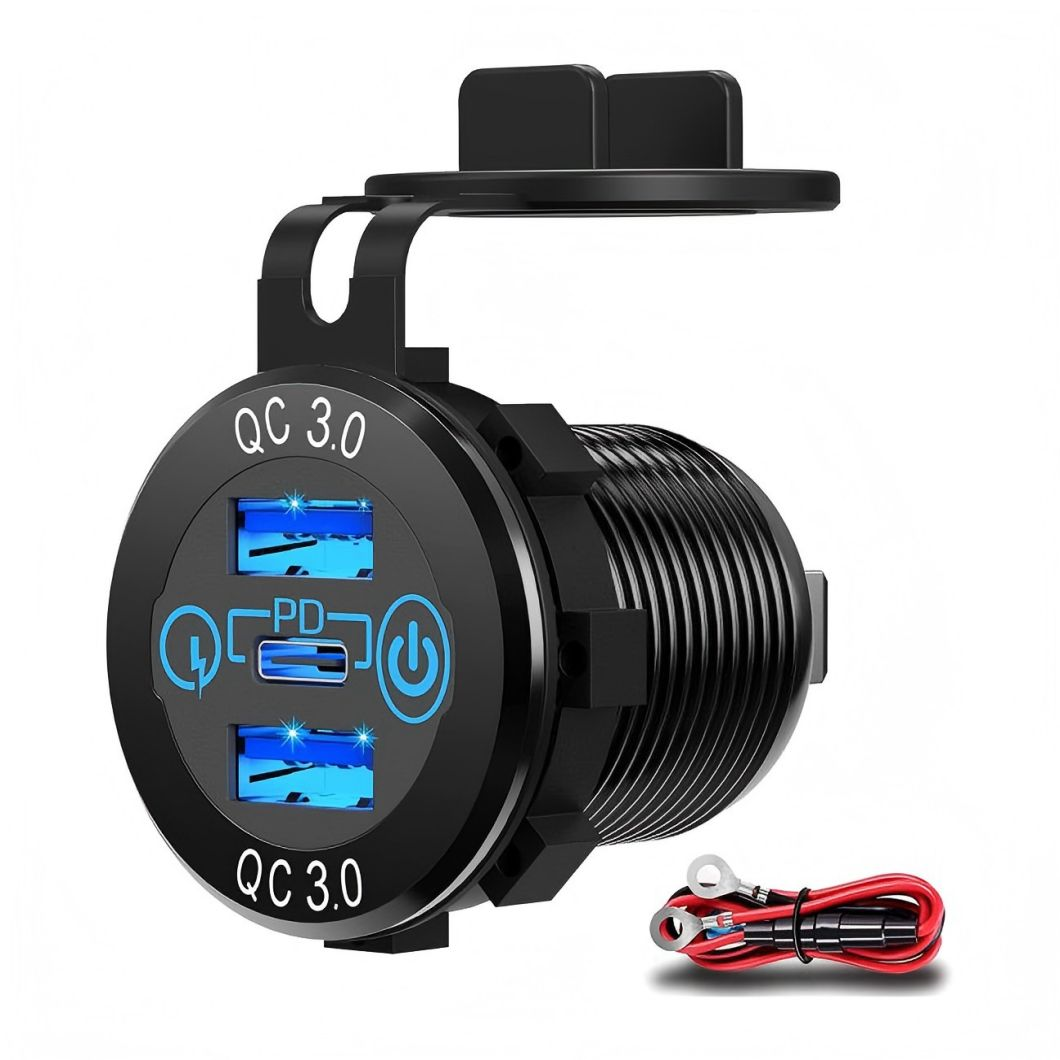
The main reasons for excessive electrical load include: randomly changing headlights, car audio equipment, using inferior cigarette lighter adapters, and connecting high-power electrical appliances to cigarette lighters. Therefore, it is reminded that car owners should understand the power and maximum load of the original electrical appliances before modifying the car circuit. For example, if the wattage of the modified headlights is higher than the original set value, it may cause the headlight fuse to break.
If the car's electrical components have not been modified and the fuse is broken, it is necessary to check whether the car's wiring is short circuited. In daily maintenance, it is a good habit to directly flush the engine compartment without using a water pipe to avoid short circuits in the fuse box and wiring; In addition, it is also possible to visually observe whether there is a short circuit caused by the aging of the wire rubber and exposed metal wires; In addition, when cleaning the car interior, attention should also be paid to avoiding touching the wires buried in the floor.
How to replace the fuse?
When replacing a fuse, be sure to choose the correct amperage fuse, do not arbitrarily increase the current specification of the fuse, and do not use wire as a substitute. In the absence of backup fuses, in emergency situations, fuses on other devices that do not affect driving and safety can be replaced. If a fuse with the same current load cannot be found, a lower rated current than the original fuse can be used as a substitute.