
Inline Fuse Holders: The Complete Guide to Safe Circuit Protection
l What Is an Inline fuse holder?
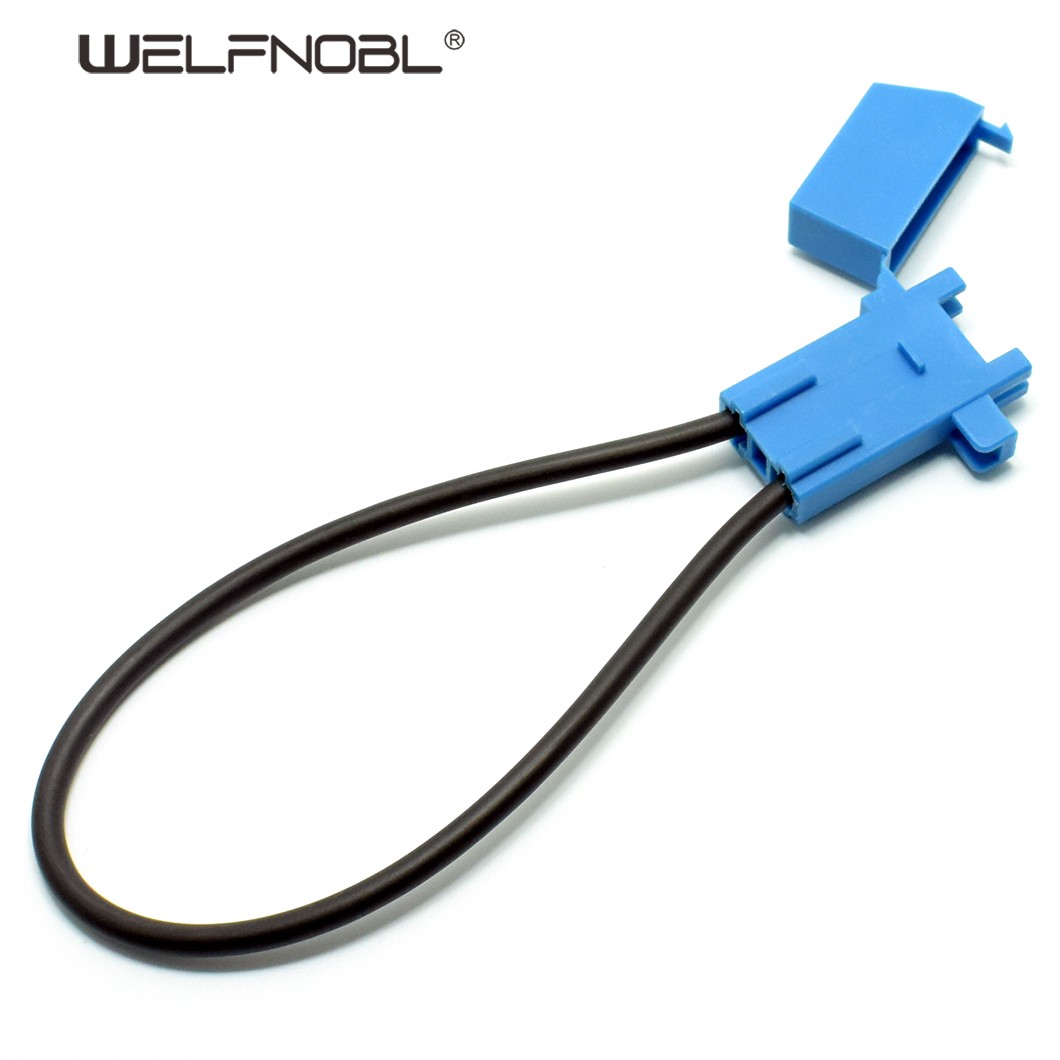
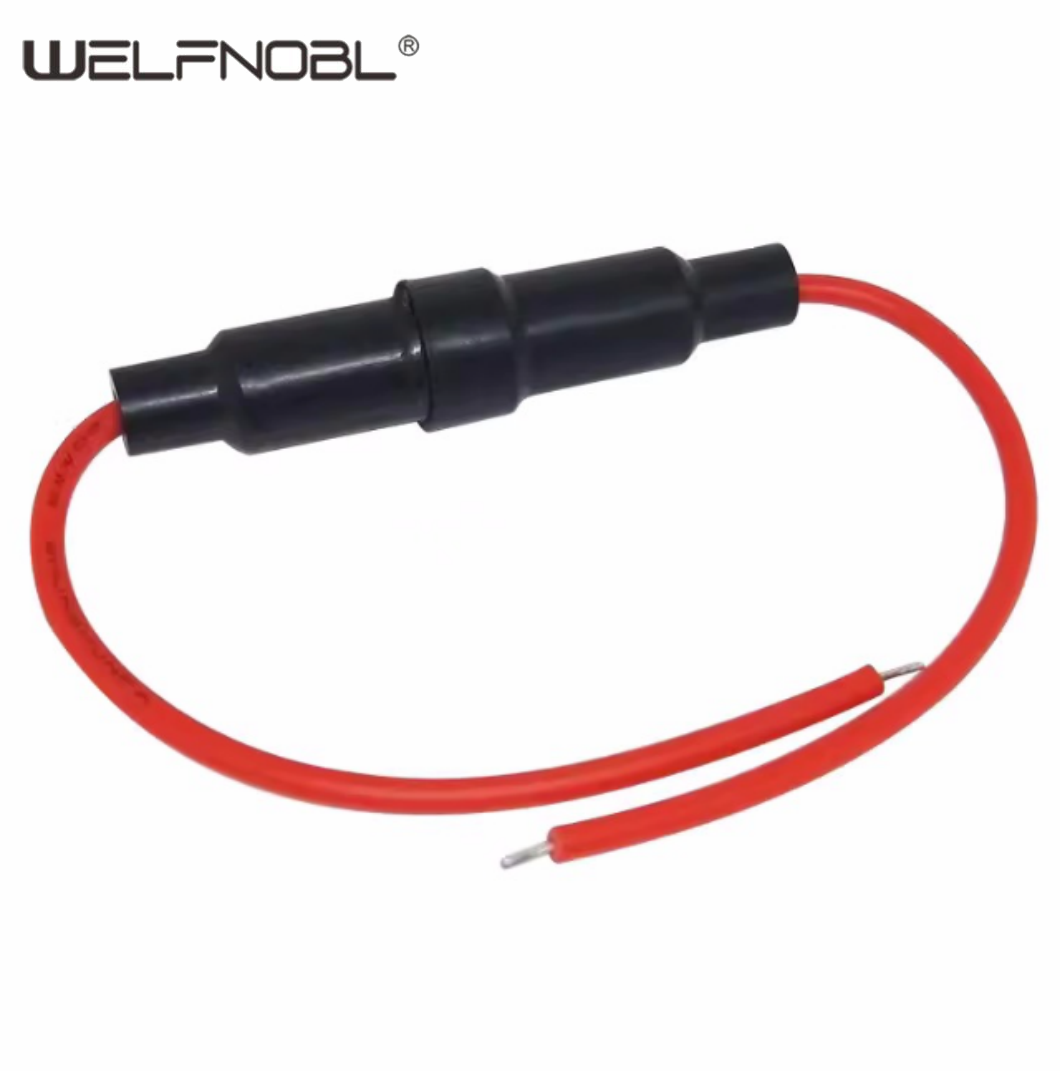
An inline fuse holder is a protective enclosure designed to securely house a fuse within an electrical circuit, typically connected between a power source and a load. These devices provide a safe, accessible point for fuse installation and replacement while protecting the fuse from environmental damage. Key features include:
- Compact cylindrical designfor easy integration into wiring
- Transparent or opaque housingfor visual fuse inspection
- Waterproof and dustproof variantsfor harsh environments
- High-conductivity terminals(brass, copper, or tinned alloys) for minimal voltage drop
- Strain relief featuresto prevent wire pull-out
- IP-rated sealingfor moisture and corrosion resistance
Inline fuse holders accommodate various fuse types—including blade, glass tube, and ANL fuses—making them adaptable to diverse applications from vehicle electrical systems to solar power installations.
l Types of Inline Fuse Holders
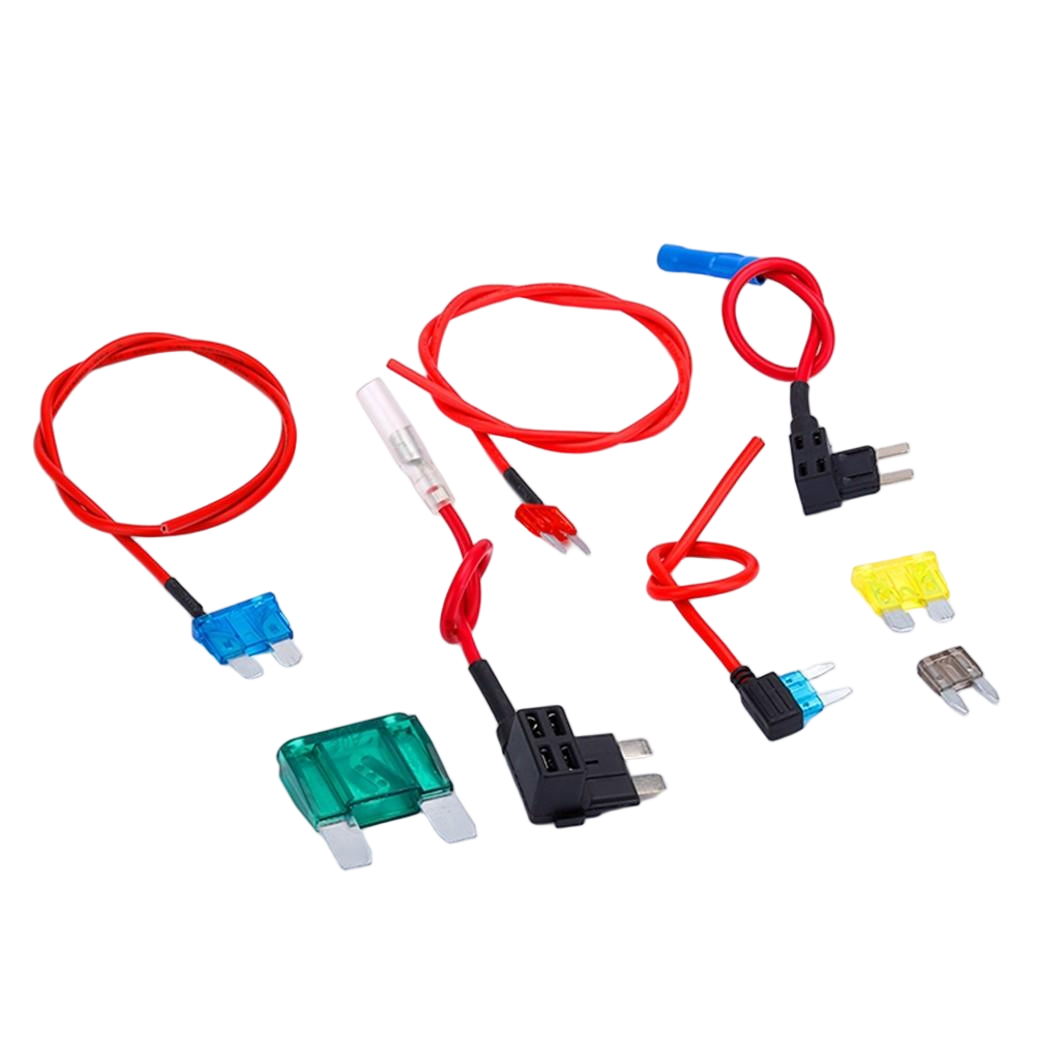
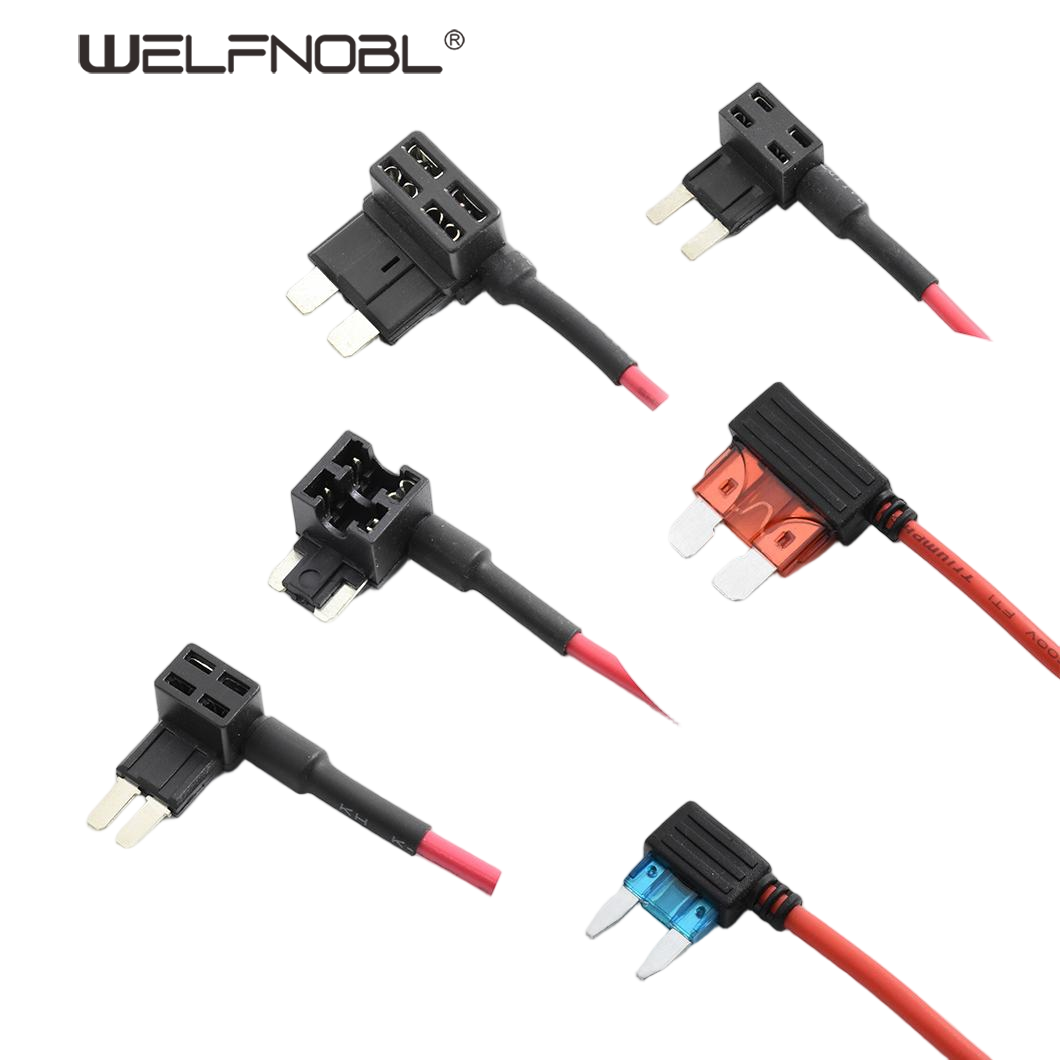
- Blade Fuse Holders
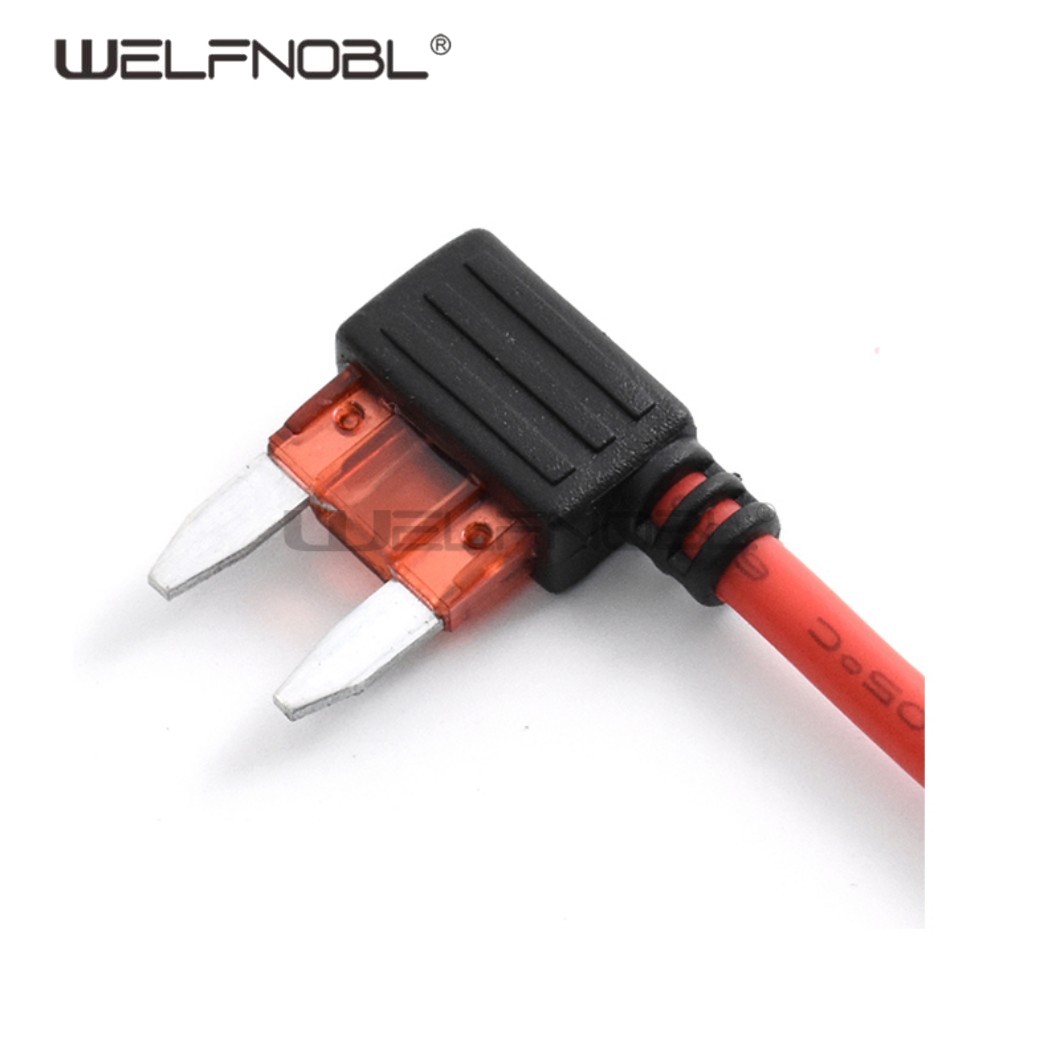
- Standard ATC/ATO holdersfor automotive applications
- Mini blade fuse holdersfor space-constrained installations
- Maxi blade fuse holdersfor higher current applications
- Waterproof blade fuse holderswith IP67/IP68 ratings
- Glass Tube Fuse Holders
- 5x20mm and 6x30mm fuse holdersfor electronics and appliances
- Waterproof glass fuse holdersfor marine environments
- Panel-mount versionsfor permanent installations
- ANL and MIDI Fuse Holders
- High-current ANL fuse holders(up to 300A) for automotive audio systems
- MIDI fuse holdersfor moderate high-current applications
- Bolt-down designsfor secure connections
- Waterproof and Sealed Designs
- IP67/IP68 rated inline fuse holdersfor marine and outdoor use
- Silicone-sealed versionsfor extreme temperature applications
- Epoxy-filled holdersfor maximum environmental protection
- Specialty Designs
- In-line fuse holders with LED indicatorsfor blown-fuse detection
- Fuse holder with disconnect switchfor added safety
- Multi-circuit fuse blocksfor complex systems
l Common Applications of Inline Fuse Holders
- Automotive Systems: Battery connections, amplifier wiring, accessory circuits
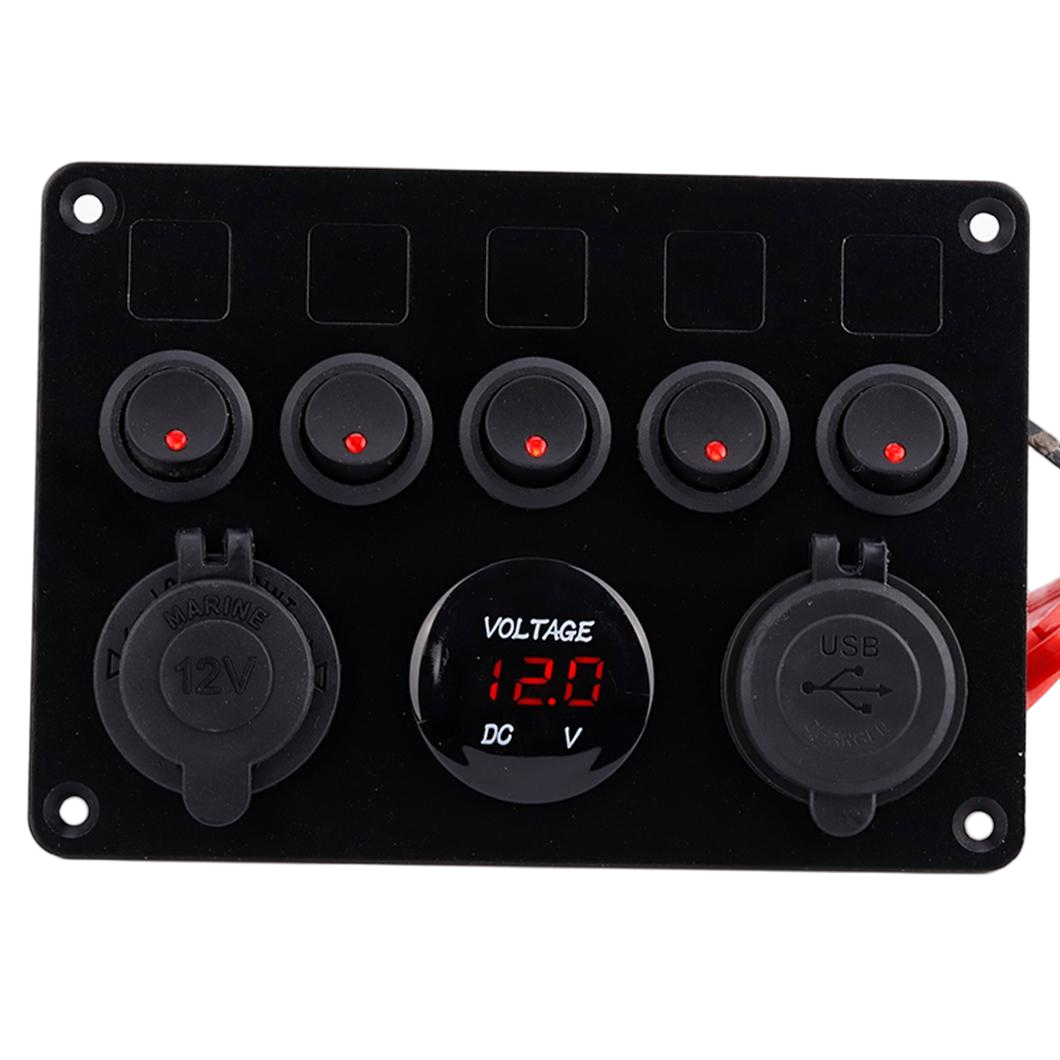
- Marine and RV Electrical: Bilge pumps, navigation equipment, battery banks
- Solar Power Systems: Solar panel connections, charge controller protection
- Industrial Equipment: Machine control circuits, motor protection, conveyor systems
- Consumer Electronics: Power supply protection, appliance safety circuits
- Telecommunications: Equipment protection, backup power systems
- Emergency Vehicles: Light bar circuits, communication equipment
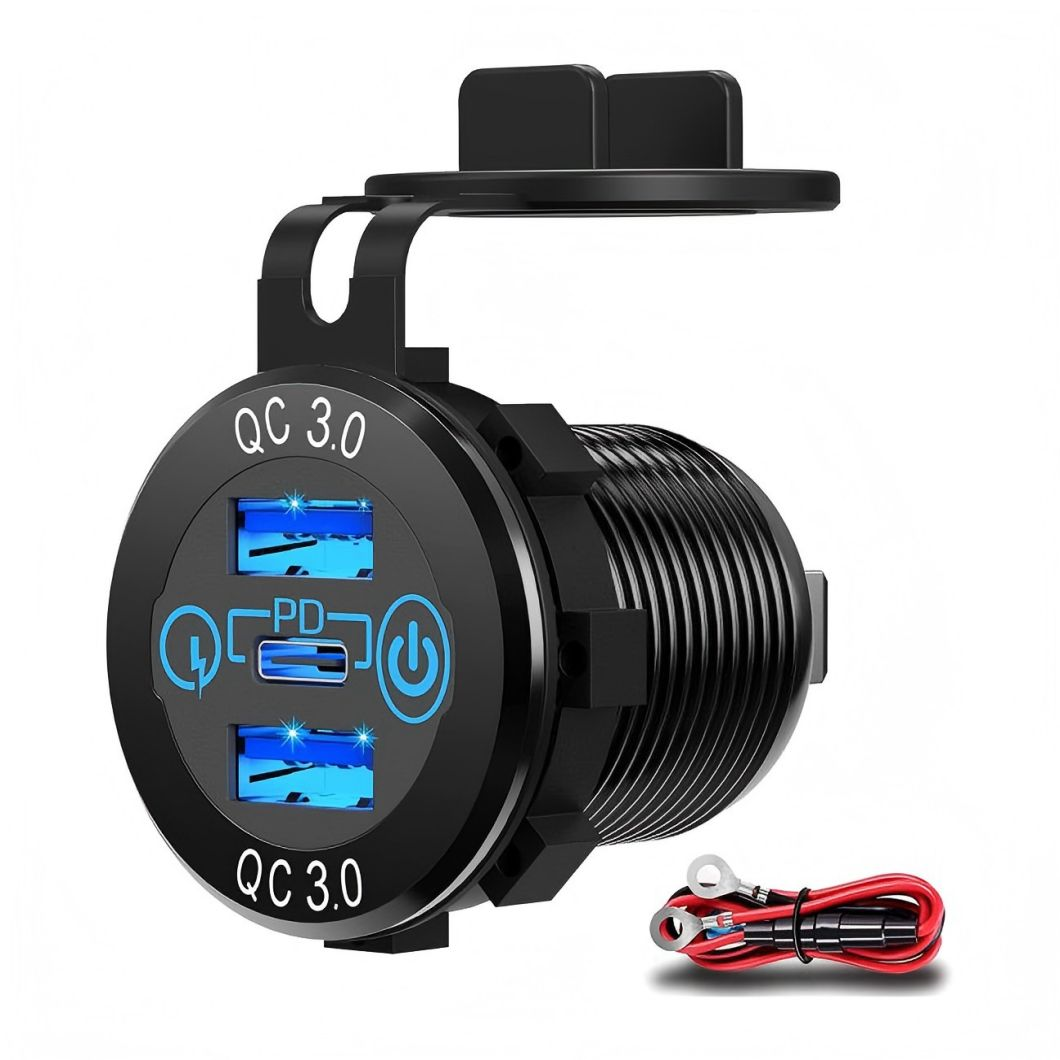
- DIY and Custom Projects: Car audio installations, custom lighting systems
l How to Choose the Right Inline Fuse Holder?
- Electrical Requirements
- Current ratingmust exceed maximum circuit current
- Voltage compatibility(12V, 24V, 48V, or higher)
- Fuse type compatibility(blade, glass, ANL, etc.)
- Voltage drop considerationsfor high-current applications
- Environmental Factors
- IP rating requirements(IP67 for waterproof needs)
- Temperature rangefor operating environment
- Chemical and UV resistancefor industrial/marine use
- Vibration resistancefor automotive applications
- Construction Quality
- Terminal material(copper or brass for best conductivity)
- Wire connection method(solder, crimp, or screw terminals)
- Housing material(nylon, polycarbonate, or thermoplastic)
Strain relief features for wire protection
- Safety and Compliance
- UL, CE, or RoHS certificationsfor quality assurance
- Visible fuse inspectioncapability
- Secure locking mechanismsto prevent accidental opening
- Insulated coversfor shock protection
- Installation Considerations
- Wire gauge compatibilityfor existing wiring
- Mounting options(panel mount, surface mount, or free-hanging)
- Space constraintsin installation area
- Service accessibilityfor fuse replacement
l Why Choose Inline Fuse Holders Over Other Protection Methods?
Compared to Circuit Breakers
✔Lower cost for basic overcurrent protection
✔Smaller size for space-constrained applications
✔Faster response time in some overcurrent conditions
✔No mechanical parts to wear out or fail
Compared to Integrated Fuse Boxes
✔Easier to add to existing wiring without modification
✔More flexible placement options in wiring runs
✔Simpler installation without dedicated mounting space
✔Lower overall cost for single-circuit protection
Compared to Fuse Blocks
✔More compact for individual circuit protection
✔Easier to route in tight spaces
✔Better for point-of-use protection near loads
✔Simpler to install in existing wiring
l Final Thoughts
Inline fuse holders provide an essential combination of circuit protection, accessibility, and flexibility for electrical systems across industries. By selecting the appropriate inline fuse holder based on your specific electrical requirements, environmental conditions, and application needs, you ensure both equipment safety and operational reliability. Whether protecting a car audio system, solar installation, or industrial machine, the right inline fuse holder offers peace of mind through proven overcurrent protection.
Upgrade your circuit protection with our range of high-quality inline fuse holders, featuring waterproof designs, high-current capabilities, and industry-leading safety certifications for your specific application requirements.