
Panoramic Guide to the Racing Car Ignition Switch
Core Concepts at a Glance
Multiple-speed control
LOCK / ACC / ON / START
The regular racing ignition switch has four settings—lock, accessory, run, and start—so you can precisely control the ignition, fuel pump, and power to the instruments at different times.
Color Coding and Multi-channel Output
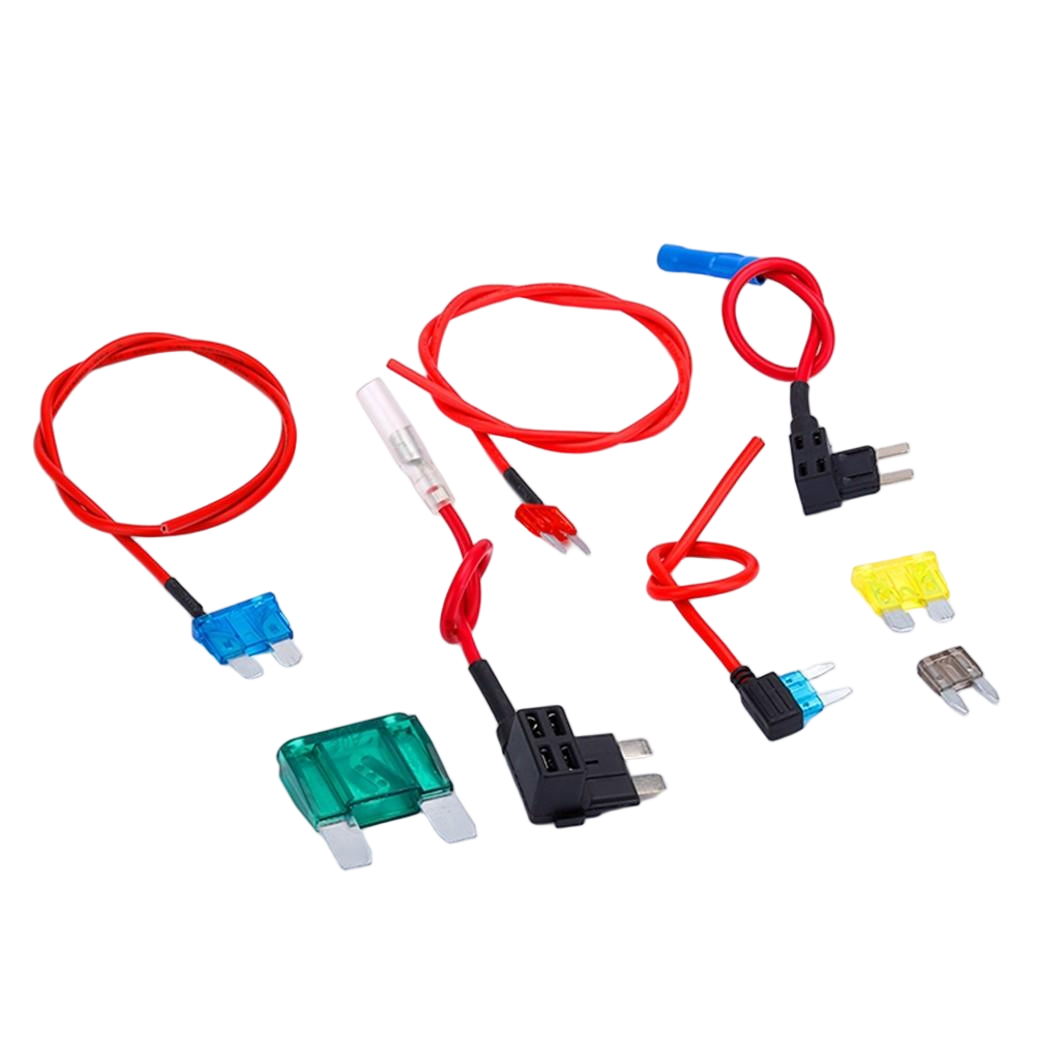
Common connection points include BAT, IGN, ACC, ST, and so on, and they're easily recognized by colors like red, yellow, and green to show what they're connected to. Some panels also have controls for relays and connections for tachometers.
Structural Protection
Tilted Installation and Drainage Design
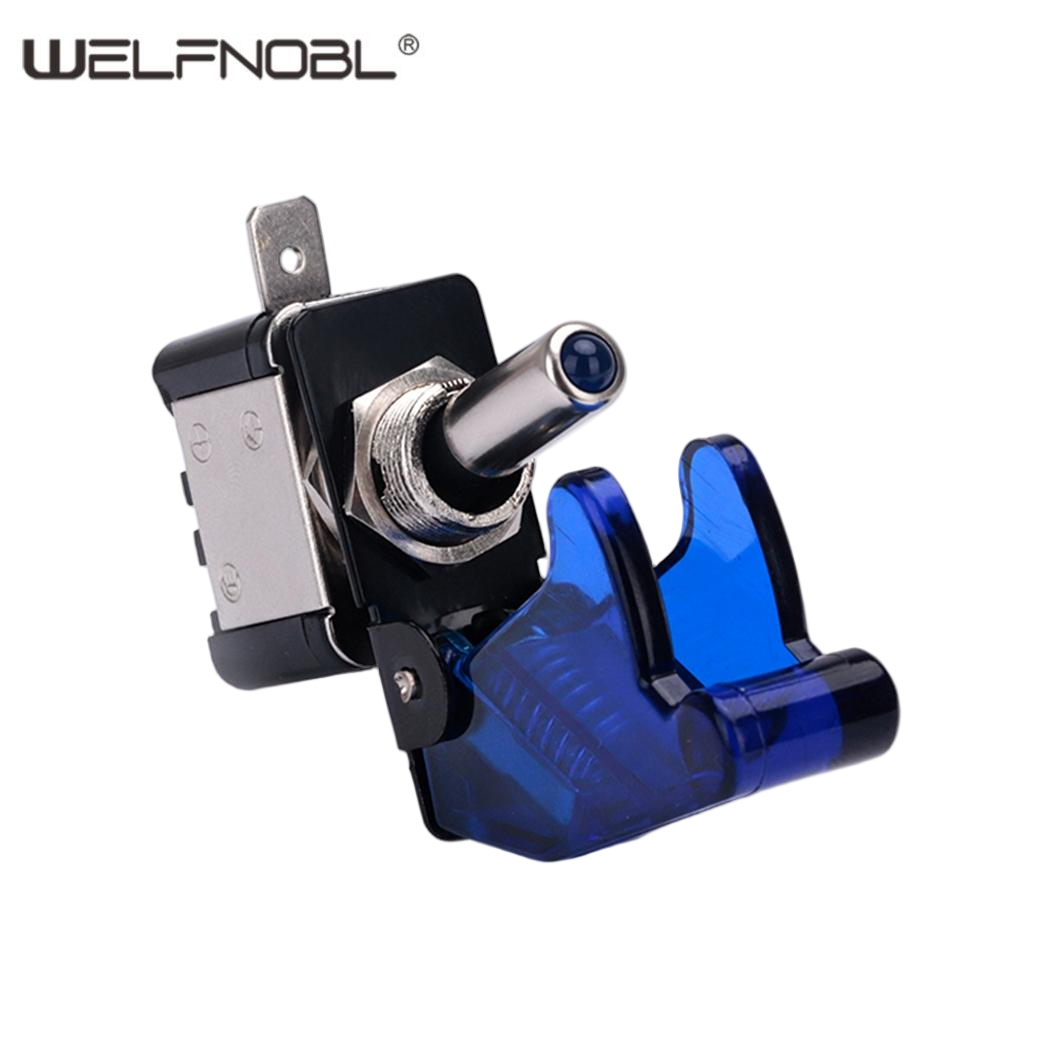
The ignition switch is often installed at an angle to work in track conditions, and it has a way to drain water and a cover to keep water out, so it feels good to use and works reliably.
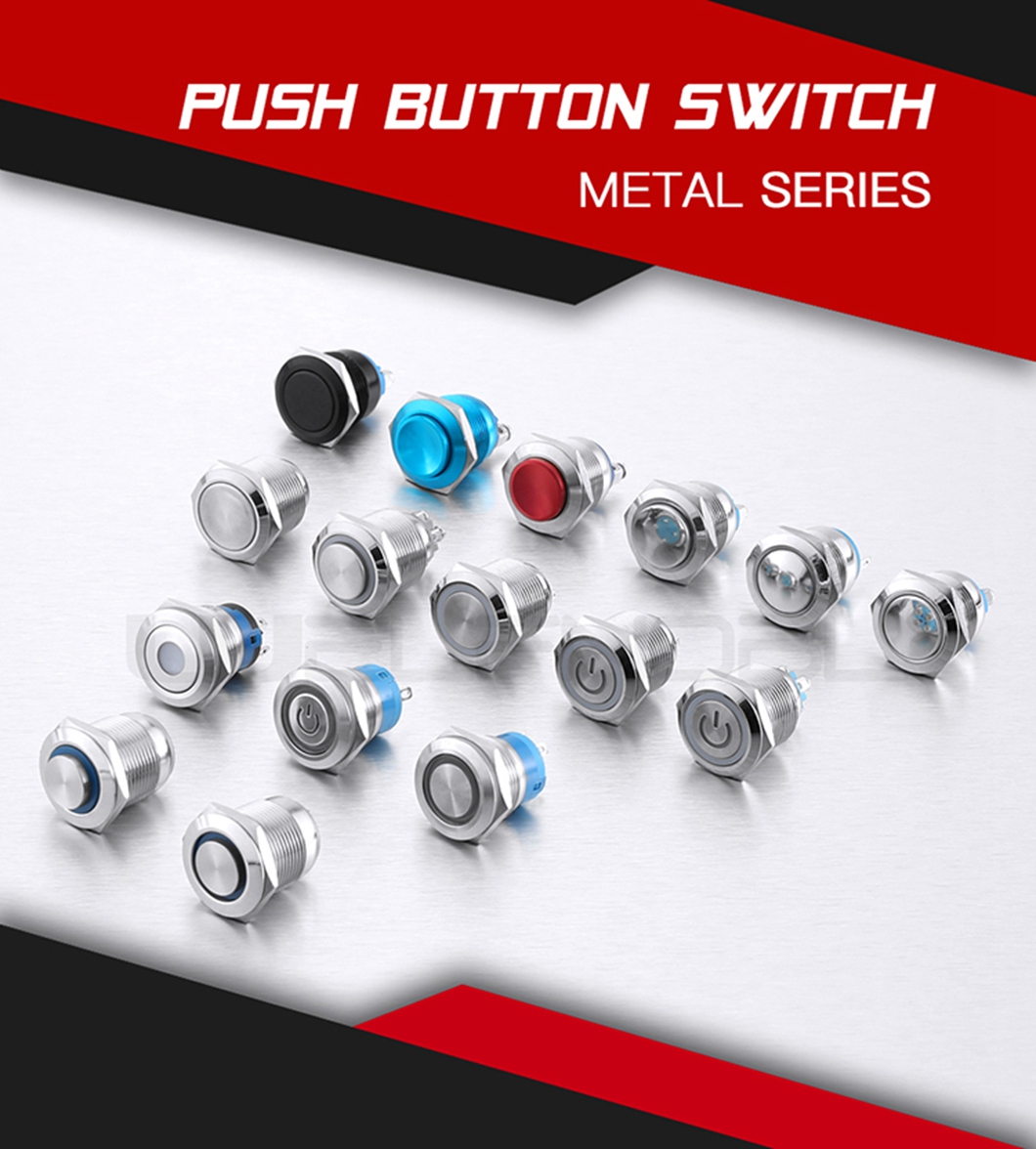
Racing ignition switches are getting better, from regular knobs to panels that do many things, focusing on being easy to change, lighter, and easier to see, to meet the different needs of different races.
Traditional knob-style panel
This design has a carbon fiber or metal panel, along with red LED lights and a physical place for a key, showing that it's strong and has a classic racing look.
Multi-functional integrated panel
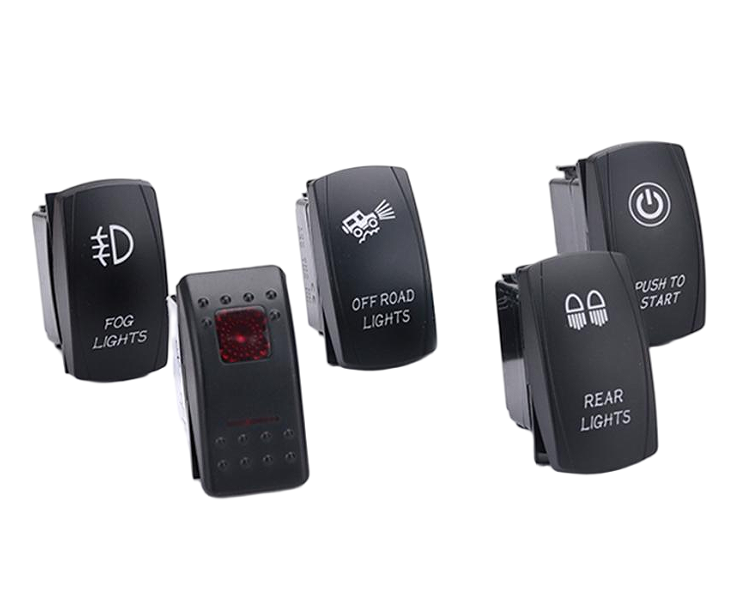
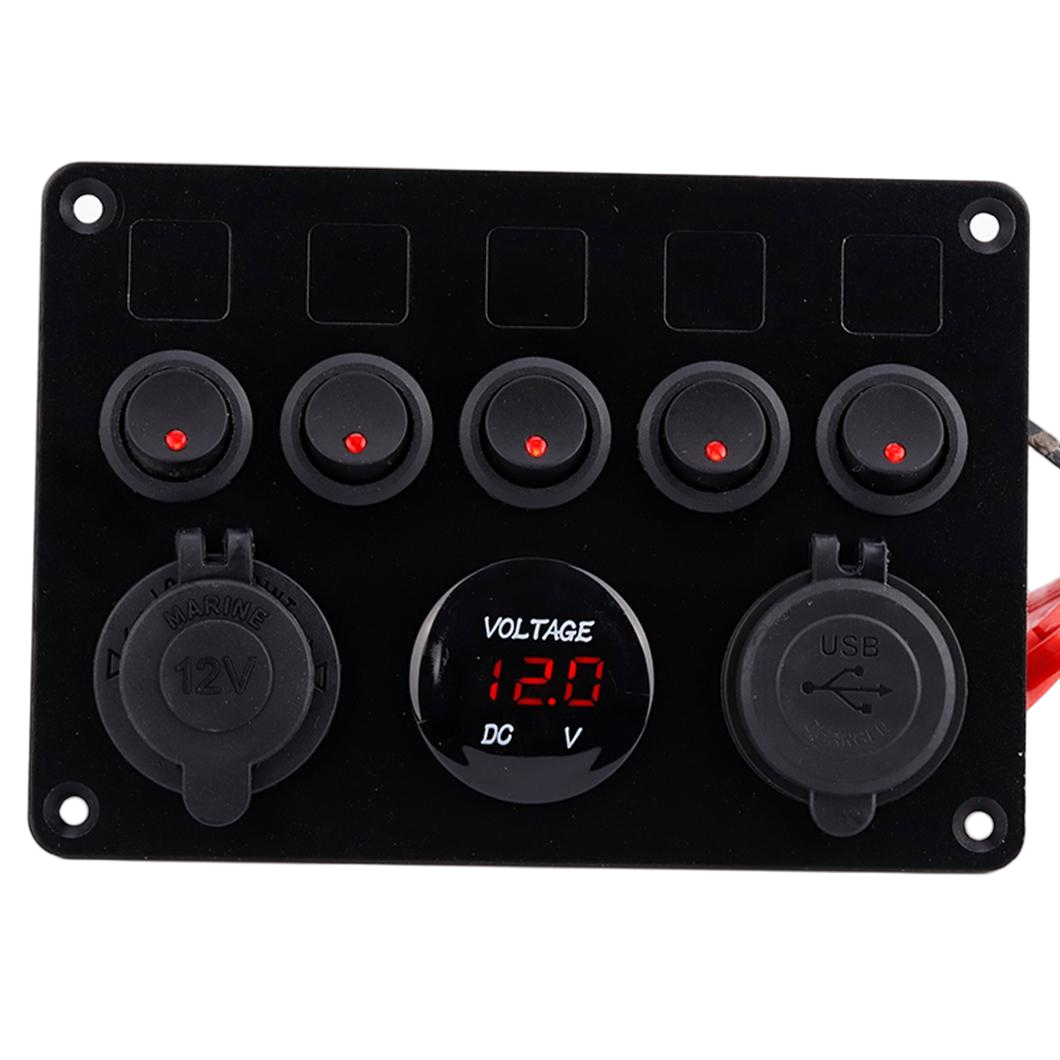
This panel does five or more things, with a switch to turn it on and off, a start button, and other circuits made for switching and watching things easily.
You can find different voltage options, color choices, and extra parts like relays and pull-start handles, so you can change things to fit your needs.
- Decide whether to install it at an angle or straight up based on how the car is set up, to make sure the cover fits right with the drain, so water doesn't cause damage.
- Use a multimeter to check that each connection point is working, make sure the colors match the original wiring diagram, and check that the connections for BAT, IGN, ACC, and the starter relay are right.
- After wiring it up, test it step by step: LOCK, ACC power, ON ignition, START, and make sure the instrument panel, ECU, and fuel system are working.
- If there's a feature to start with one touch or shut off power in an emergency, make sure the remote control or button is set up right to be extra safe.
Creating an Exclusive Racing Electrical Hub
Using professional wiring design with high-quality ignition switches makes sure every ignition is smooth and reliable. Plan your custom setup today to start making your track experience better.