
The Complete Guide to Multiway Fuse Blocks/Boxes: Types, Uses, and Selection Tips Introduction
What Is a Multiway Fuse Block?
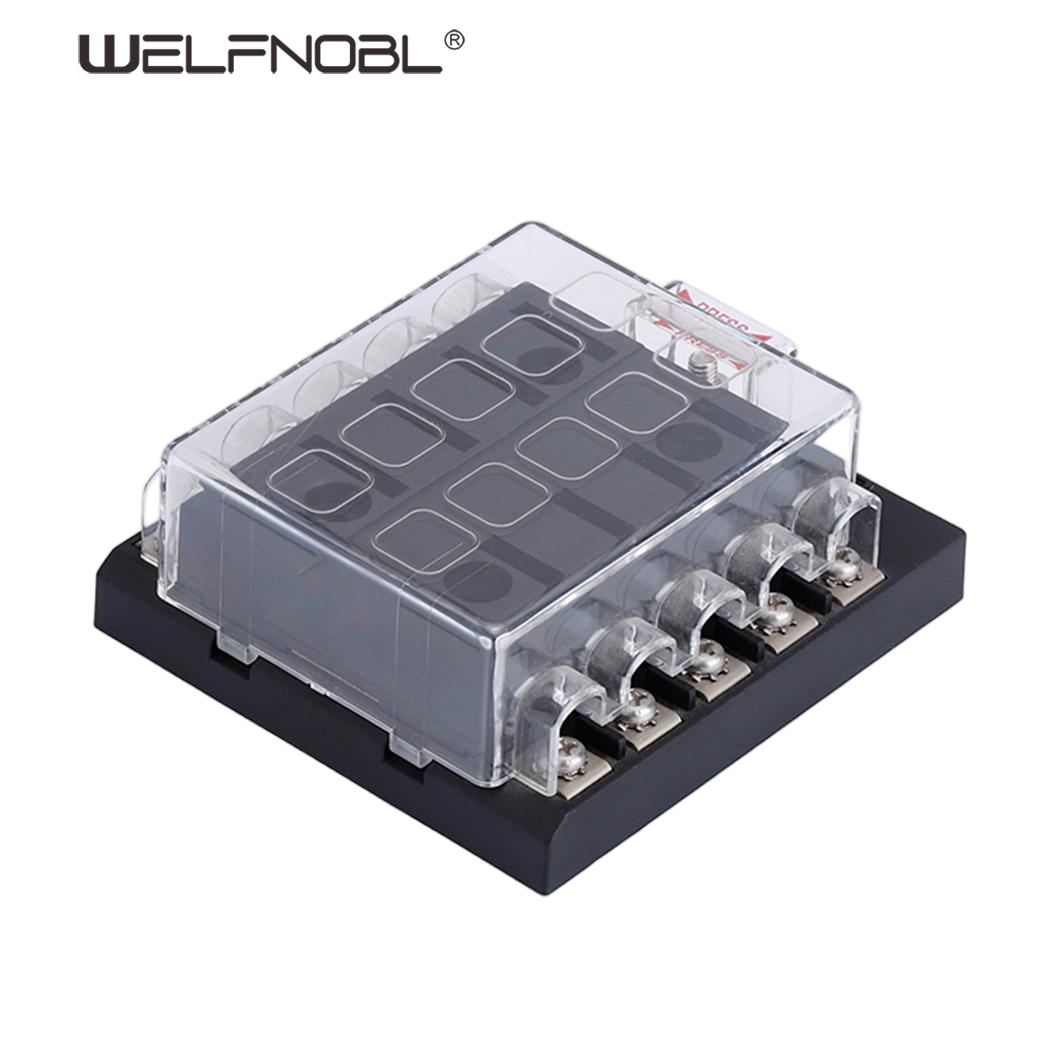
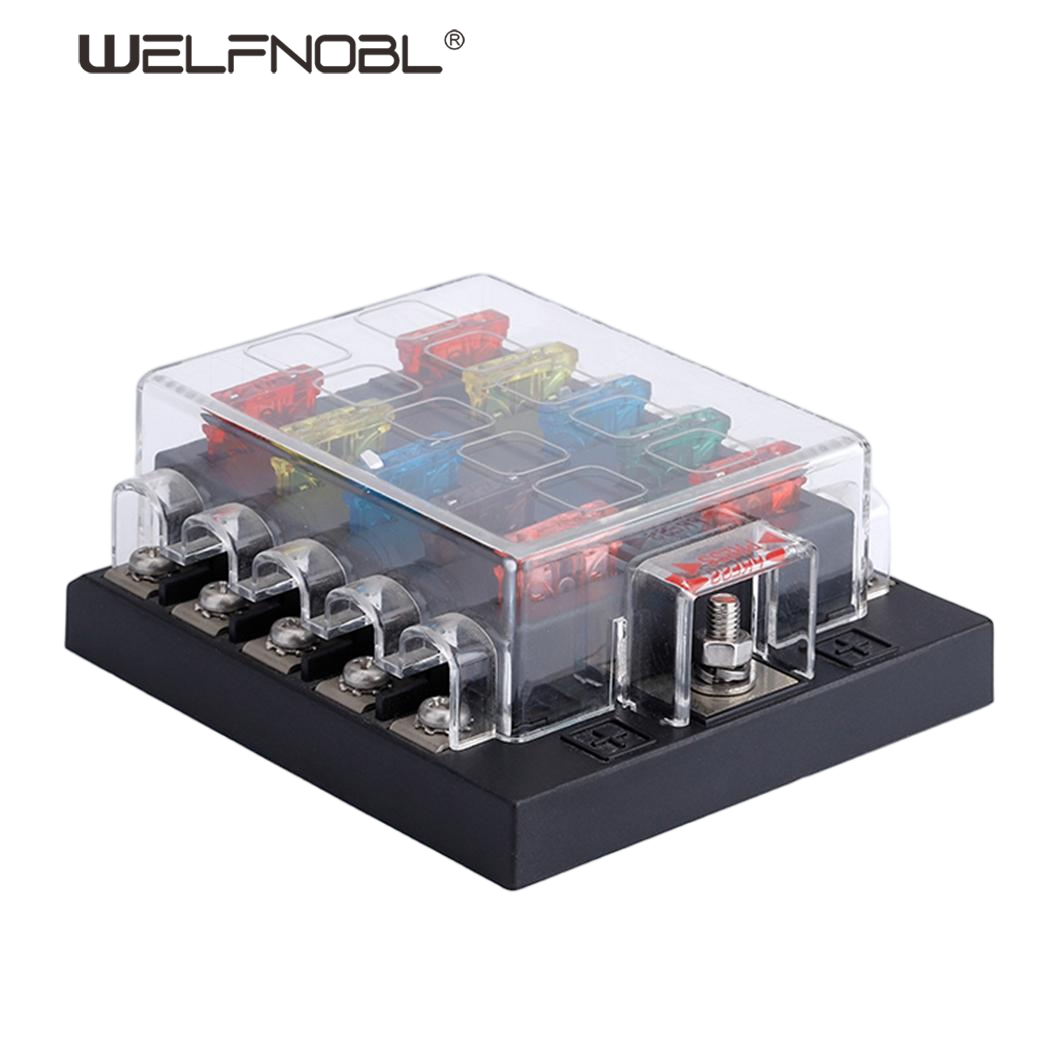
A multiway Fuse Block is a compact enclosure that houses multiple fuses, allowing several electrical circuits to be protected independently. Key benefits include:
Centralized protection – Safeguards multiple wires from overcurrent.
Easy troubleshooting – Isolates faulty circuits without shutting down the entire system.
Space-saving design – Replaces multiple single fuses with a single organized unit.
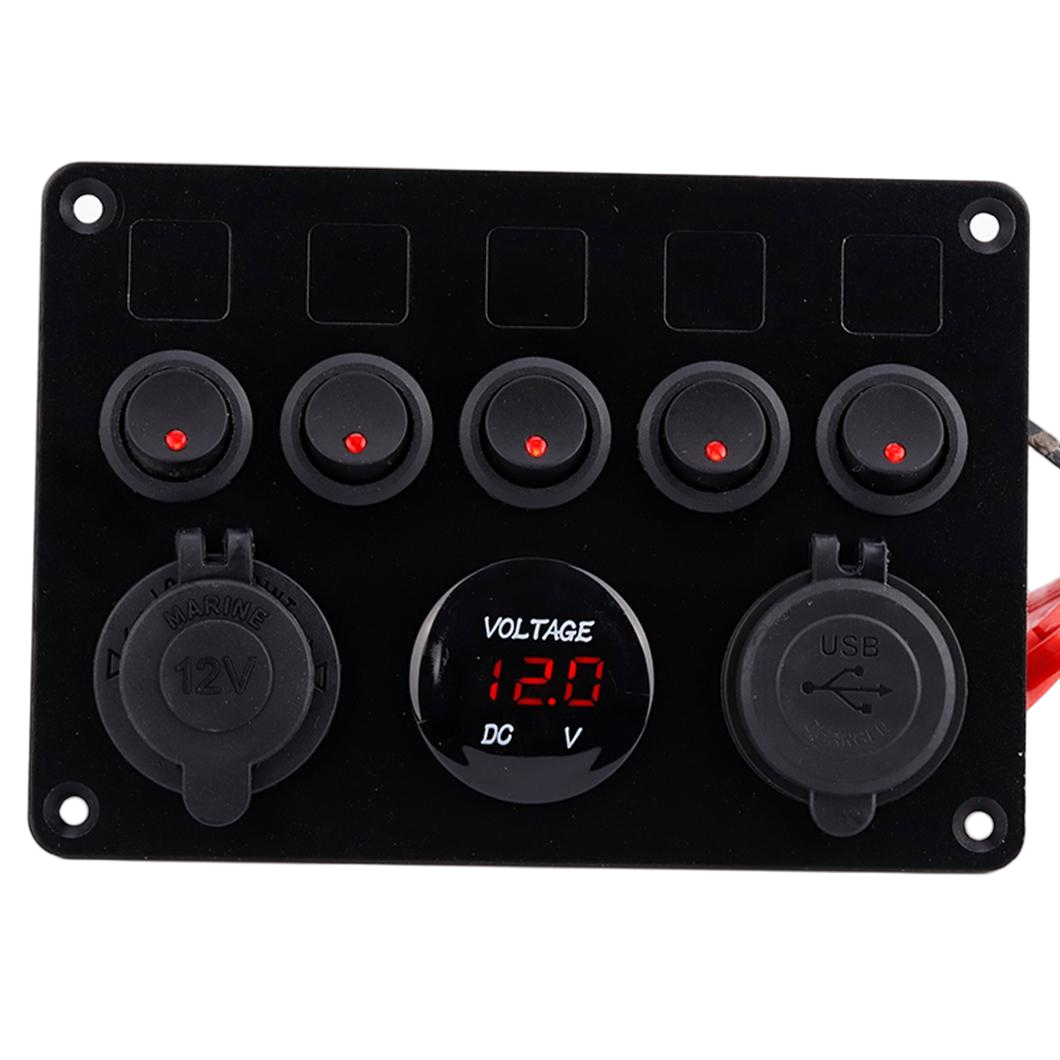
Commonly used in automotive fuse blocks, marine fuse panels, RV electrical systems, and 12V/24V power distribution setups, these fuse blocks come in various configurations.
Key Features to Consider When Choosing a Fuse Block
Number of Circuits – 4-way, 6-way, 8-way, or 12-way fuse blocks.
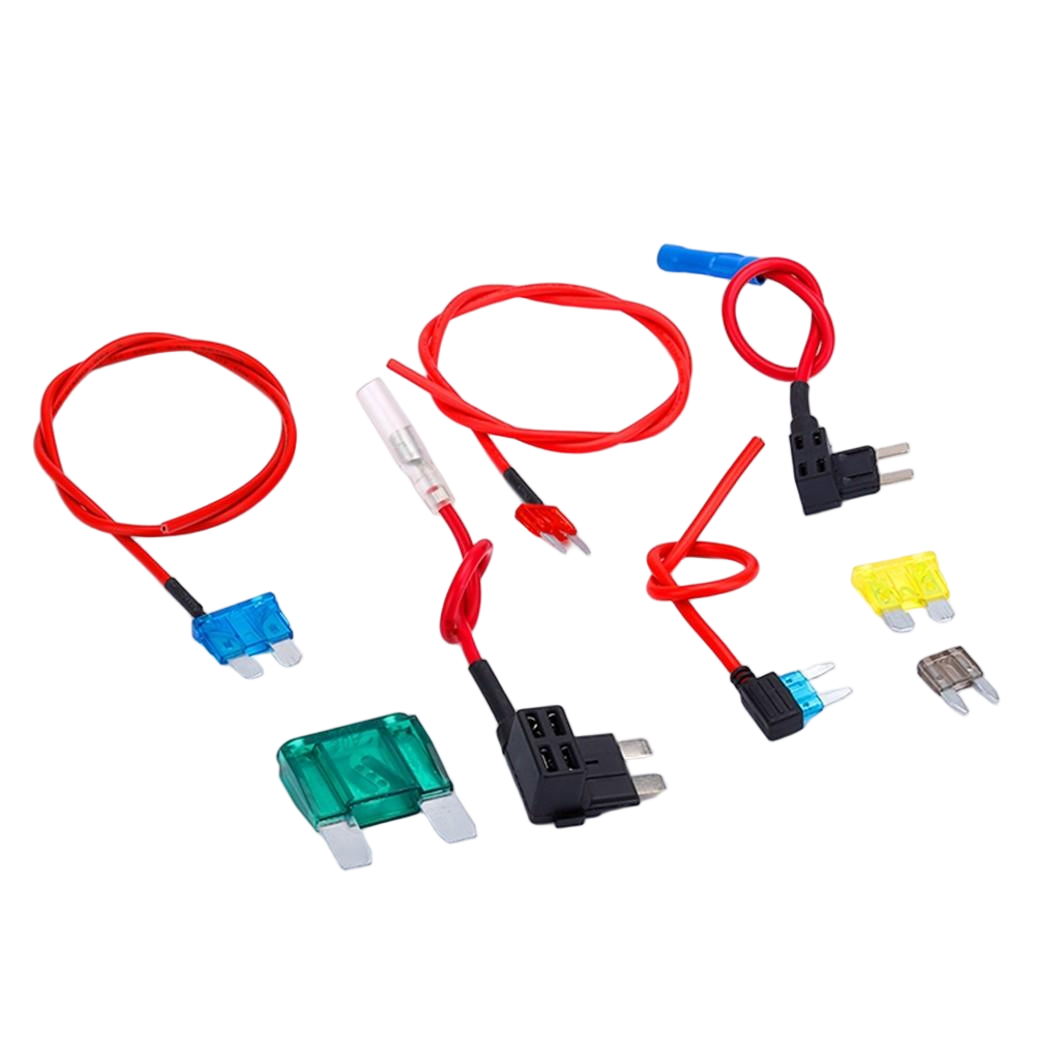
Fuse Type Compatibility – ATO, ATC, mini, maxi, or ANL fuses.
Voltage & Current Rating – 12V, 24V, or 48V systems; typically 30A-100A per circuit.
Material & Durability – Heat-resistant plastic, waterproof (IP67), or metal casing.
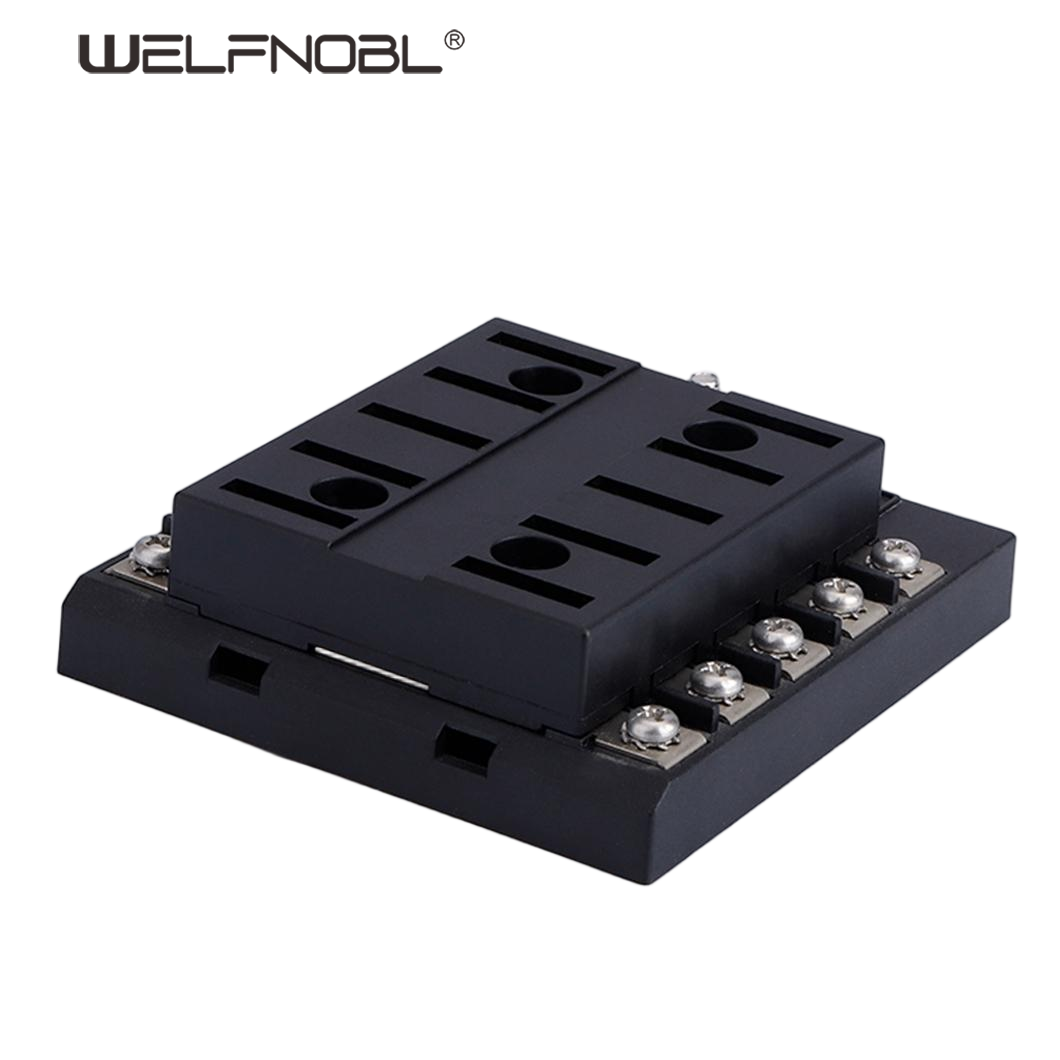
Mounting Style – DIN rail, panel mount, or surface mount.
LED Indicators – Helps quickly identify blown fuses.
Common Applications of Multiway Fuse Blocks
Automotive & Truck Fuse Boxes – Organizes aftermarket accessories (lights, radios, winches).
Marine Fuse Panels – Protects boat electronics (GPS, fish finders, bilge pumps).
RV & Camper Electrical Systems – Manages 12V/24V appliances and lighting.
Solar Power Distribution – Safely connects solar panels, batteries, and inverters.
Industrial & Off-Grid Power – Controls multiple circuits in control panels.
How to Install a Multiway Fuse Block
Disconnect the power source (battery or main supply).
Choose a mounting location (dry, accessible, and vibration-resistant).
Connect the main power input (usually from the battery via an appropriate fuse).
Wire individual circuits with the correct fuse ratings.
Test each circuit before finalizing installation.
(For detailed wiring, refer to our fuse block wiring diagram guide.)