

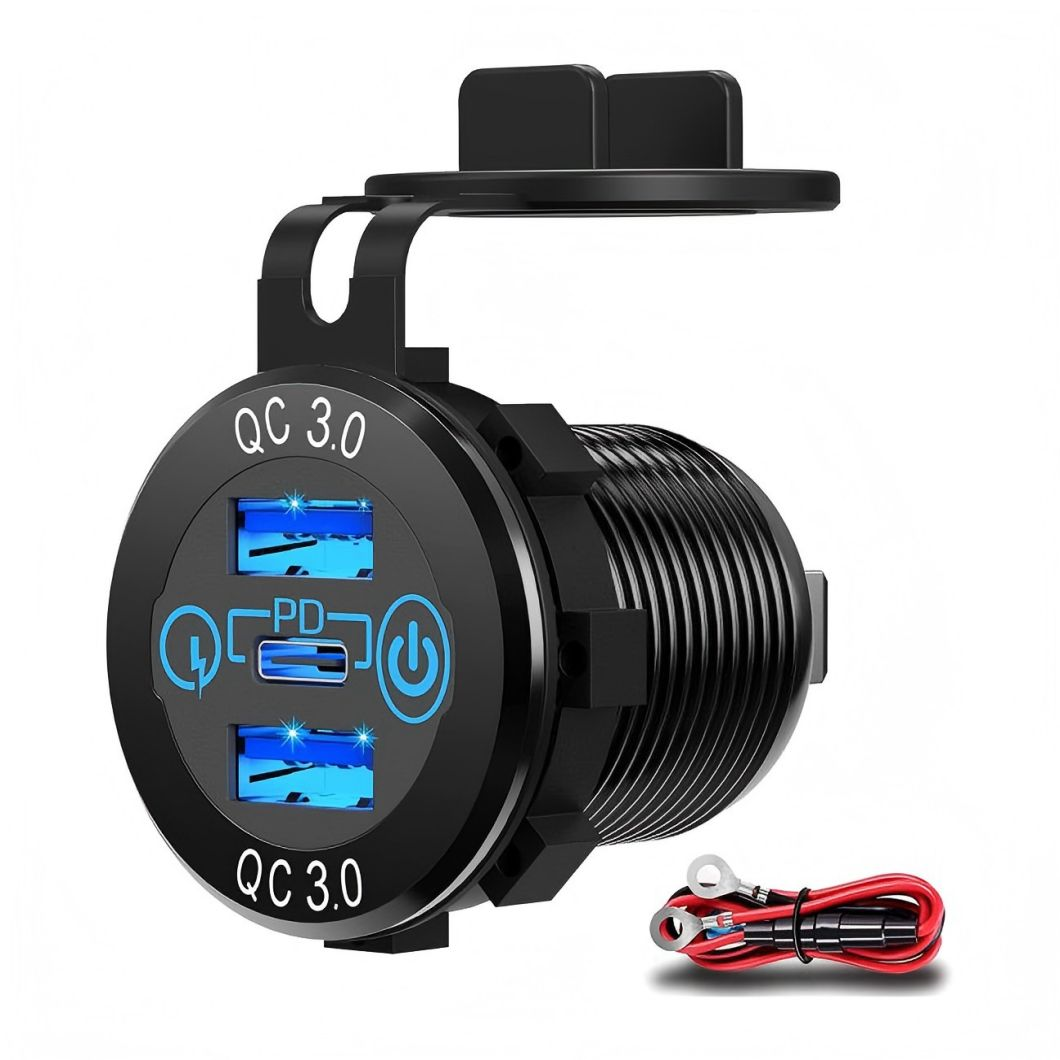
0102030405
The Ultimate Guide to Touch Switch Panels: Features, Benefits, and Buying Tips
2025-07-01
What Is a Touch Switch Panel</a >?
A touch Switch Panel is an advanced control device that responds to human touch, eliminating the need for physical buttons. These panels are widely used in:
- Smart homes (lighting control, HVAC systems, security)
- Commercial spaces (offices, hotels, conference rooms)
- Industrial automation (machinery control, production lines)
They often come with features like LED backlighting, customizable interfaces, and wireless connectivity (Wi-Fi/Zigbee/Z-Wave) for integration with smart home systems.
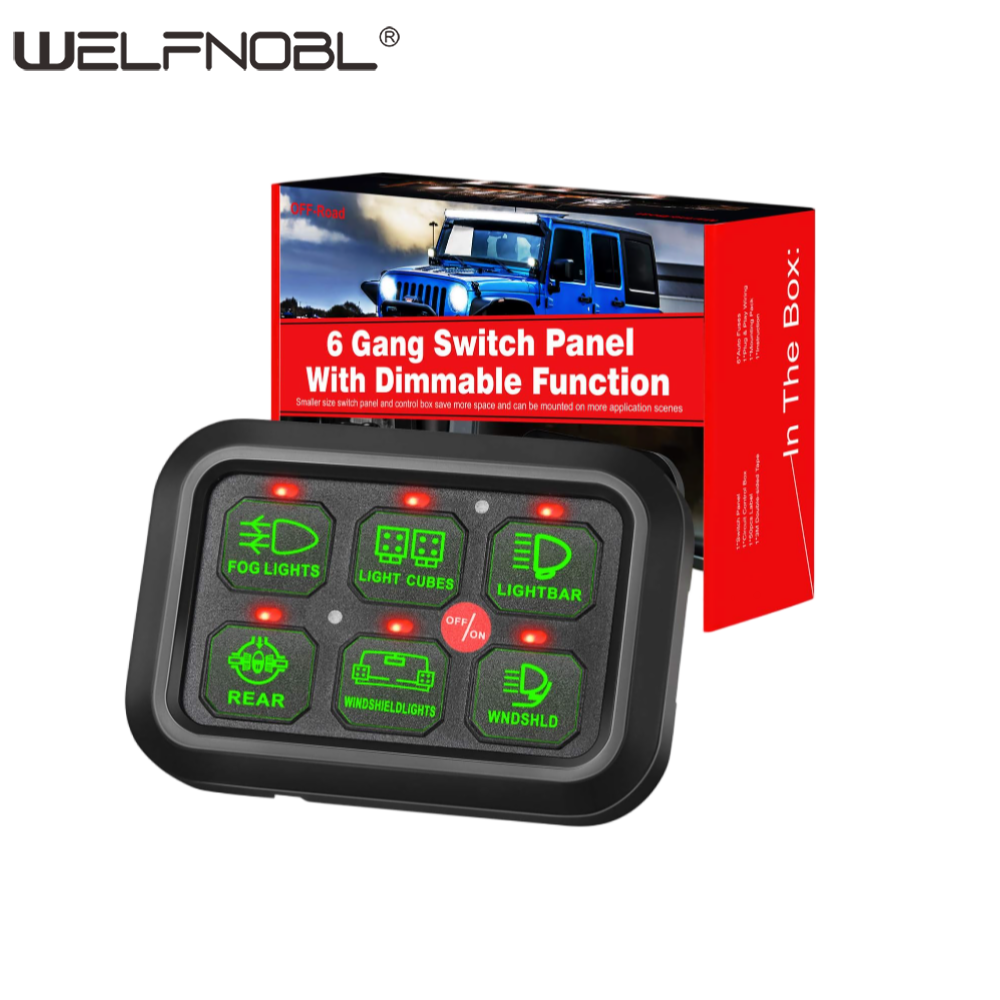
Key Benefits of Touch Switch Panels</a >
- Sleek & Modern Design – Enhances interior aesthetics with a minimalist, button-free look.
- Durability & Longevity – No moving parts mean less wear and tear compared to mechanical switches.
- Smart Home Integration – Many touch light switches work with Google Home, Amazon Alexa, and Apple HomeKit.
- Energy Efficiency – Some models include auto-off timers and motion sensors to reduce power consumption.
- Easy Installation – Most touch control panelsfit standard electrical boxes, making retrofitting simple.
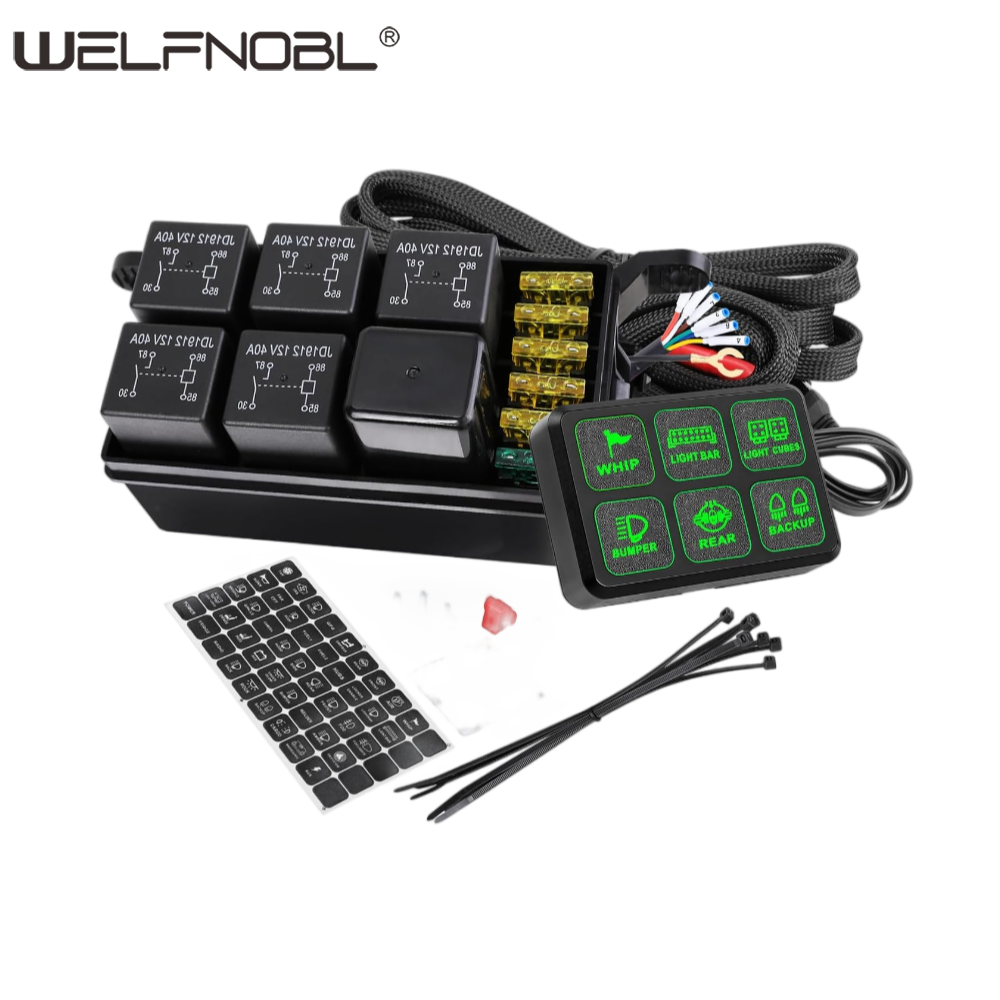
Popular Types of Touch Switch Panels
- Capacitive Touch Switches – Highly responsive, works with a light touch.
- Resistive Touch Panels – Can be operated with gloves or stylus.
- RF (Radio Frequency) Touch Switches – Allow remote control via smartphone.
- Glass Panel Touch Switches – Premium look with tempered glass surfaces.
Buying Guide: How to Choose the Best Touch Switch Panel
- Compatibility – Ensure it works with your existing wiring and smart home ecosystem.
- Multi-Control Function – Some panels support scenes, dimming, and multi-zone control.
- Safety Certifications – Look for CE, RoHS, or UL certification for reliability.
- Customization Options – Choose panels with programmable icons or RGB backlighting.
- Budget & Brand – Compare well-known brands like Legrand, Schneider, or Lutron for quality assurance.
Top Applications of Touch Switch Panels
- Home Automation – Control lights, blinds, and security systems with a single touch
- Hospitality Industry – Hotels use them for room automation and energy savings.
- Retail Stores – Interactive displays and lighting control for better ambiance.