

The Ultimate Guide to Voltmeters & Ammeters: How to Choose the Right Meter for Your Needs
What Are Voltmeters and Ammeters?
A voltmeter measures voltage (V), the electrical potential difference between two points in a circuit. It helps determine if a power supply is functioning correctly or if there’s an unexpected drop in voltage.
An ammeter measures current (A), the flow of electric charge in a circuit. It’s useful for checking if a device is drawing too much or too little current, which could indicate a fault.
Types of Voltmeters & Ammeters
Analog vs. Digital Meters
Analog meters (moving coil meters) use a needle to display readings and are known for their durability.
Digital multimeters (DMMs) provide precise numerical readings and often include additional features like resistance and continuity testing.
AC vs. DC Meters
AC voltmeters/ammeters measure alternating current (common in household electricity).
DC voltmeters/ammeters measure direct current (used in batteries and electronics).
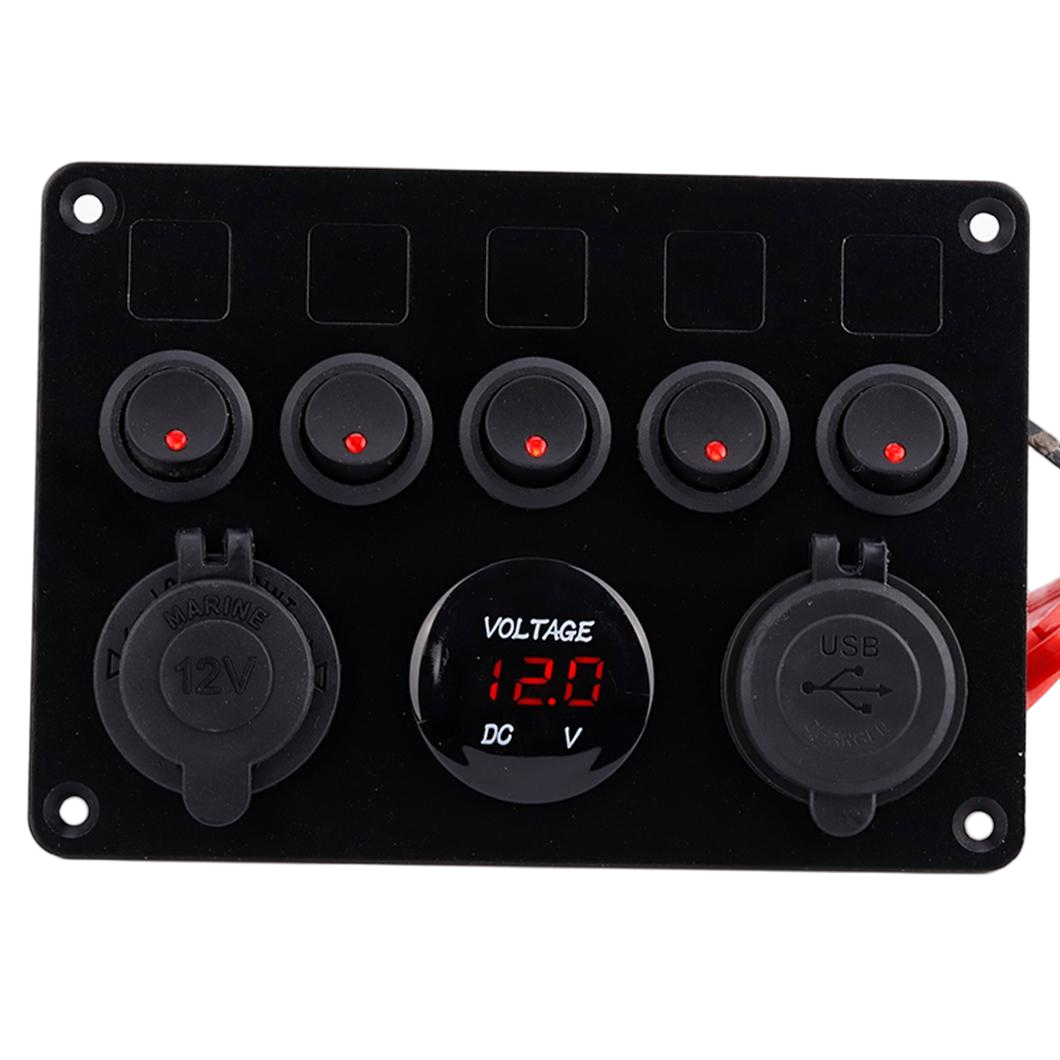
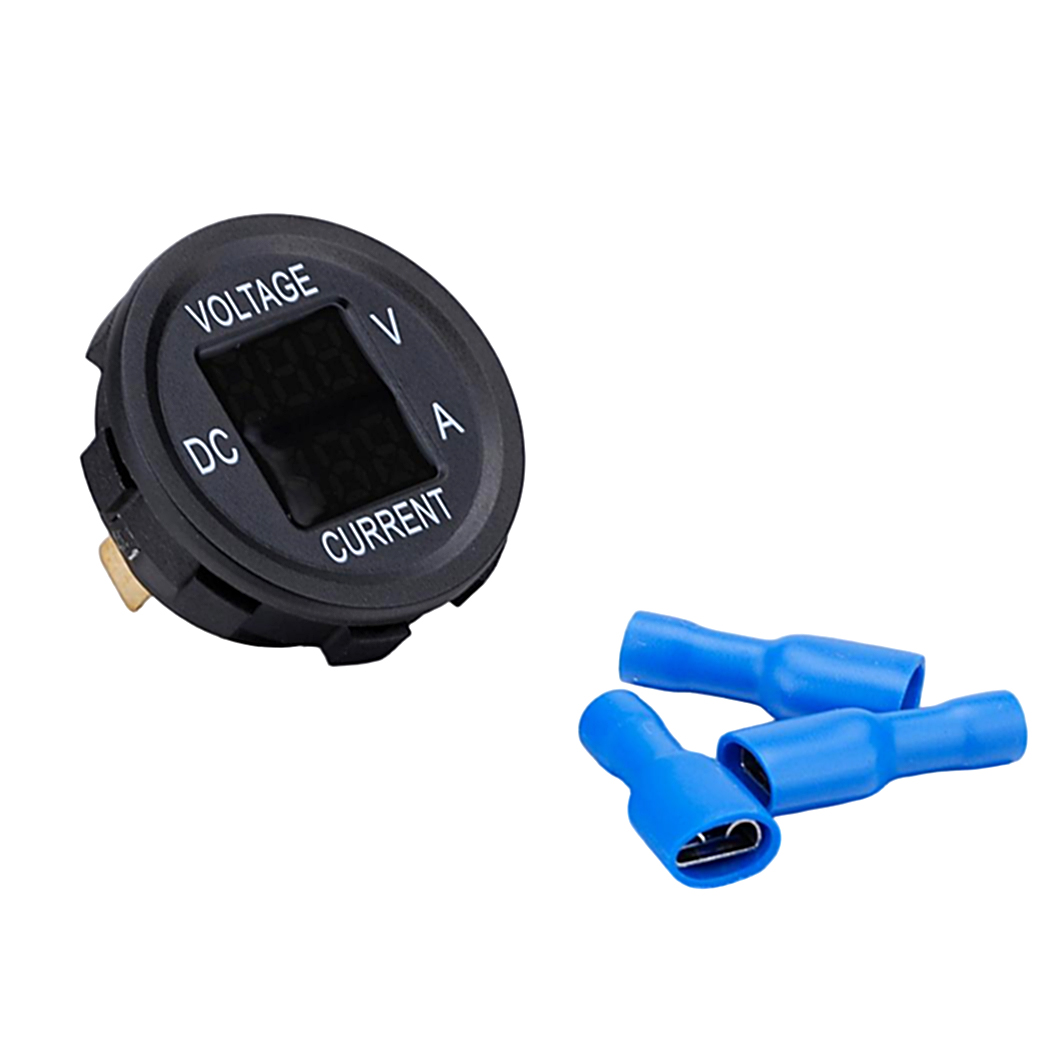
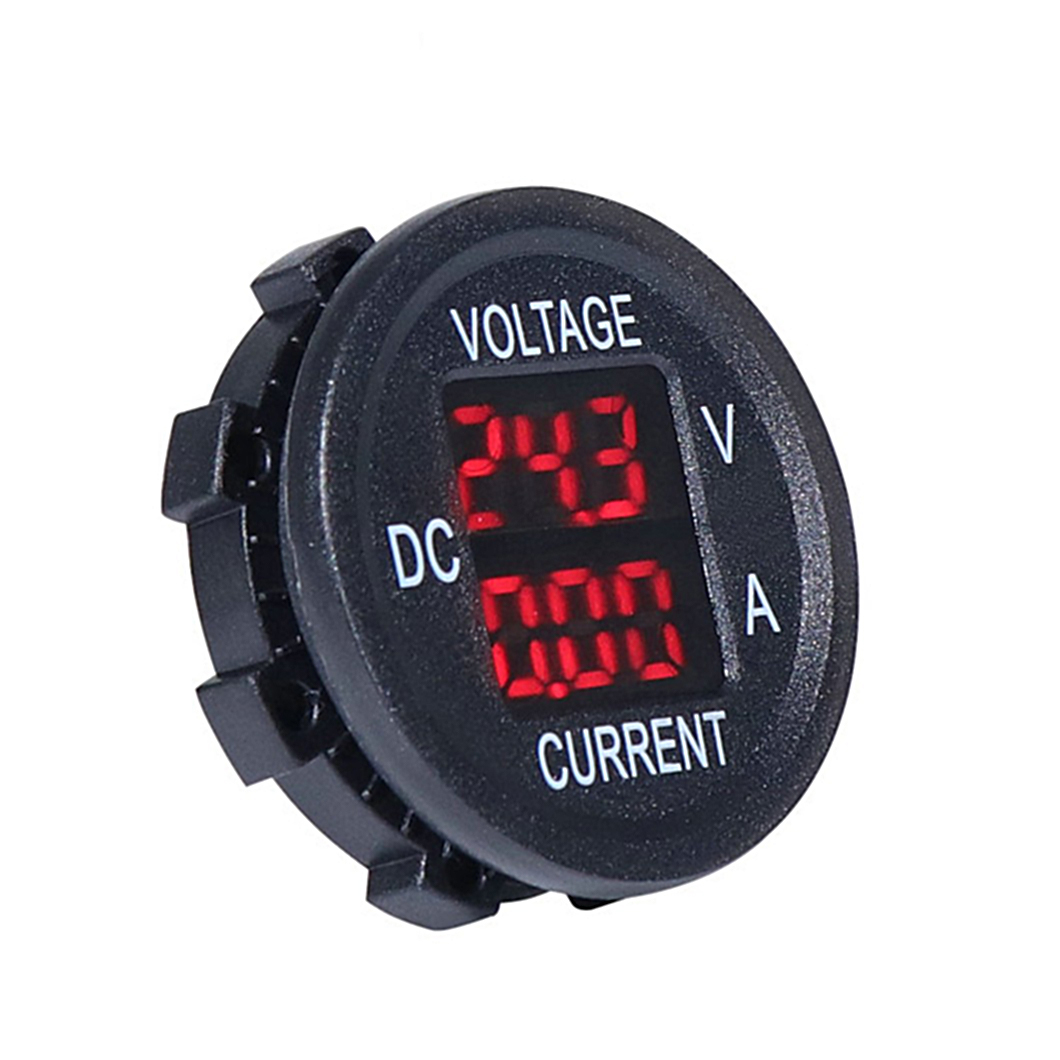
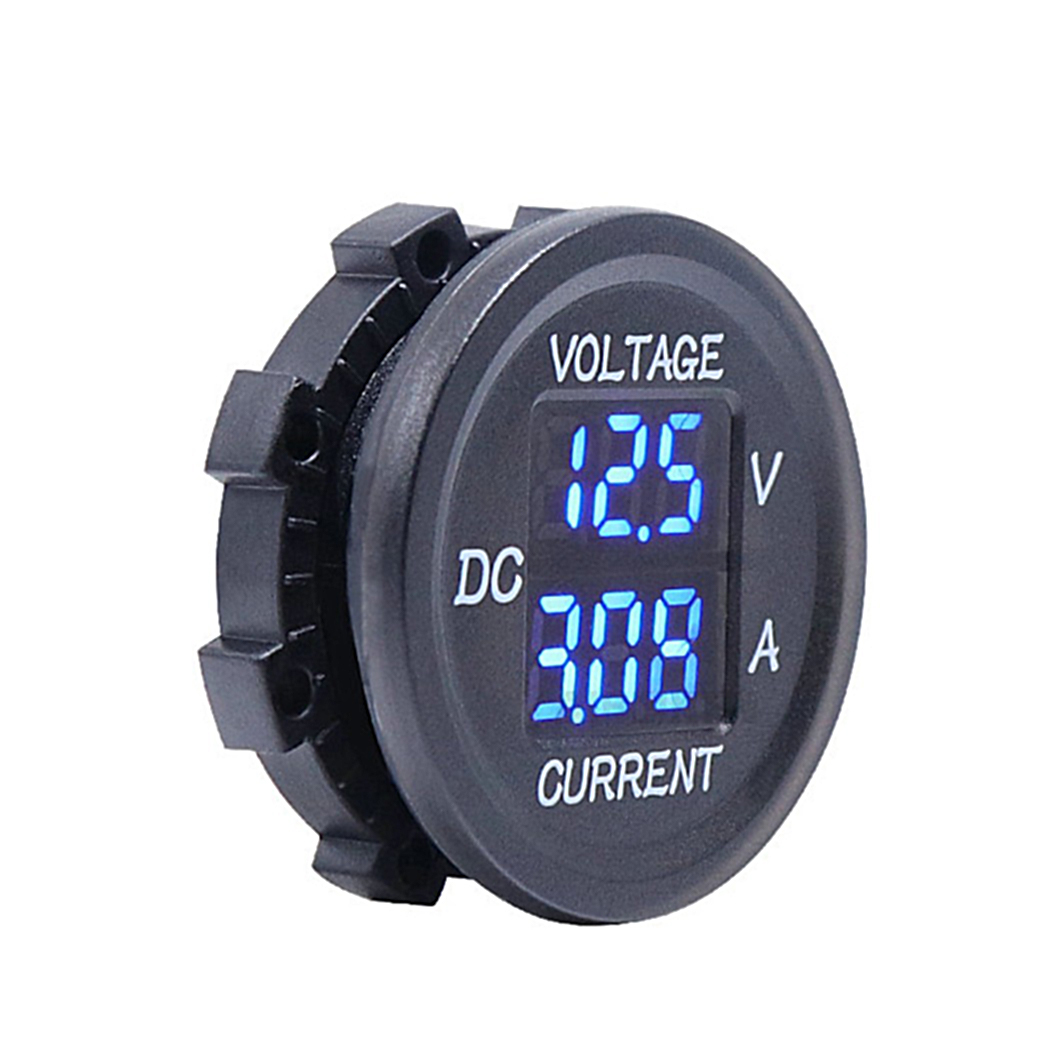
Panel Meters
Installed in control panels for continuous monitoring in industrial or automotive applications.
Clamp Meters
Measure current without breaking the circuit, ideal for high-current applications.
Key Features to Consider When Buying
Accuracy (±% reading) – Critical for professional applications.
Measurement Range – Ensure the meter can handle your expected voltage/current levels.
Safety Ratings (CAT III, CAT IV) – Important for high-voltage environments.
Additional Functions – Some meters include ohmmeters, wattmeters, or data logging.
Display Quality – Backlit LCD screens improve readability in low light.
Common Applic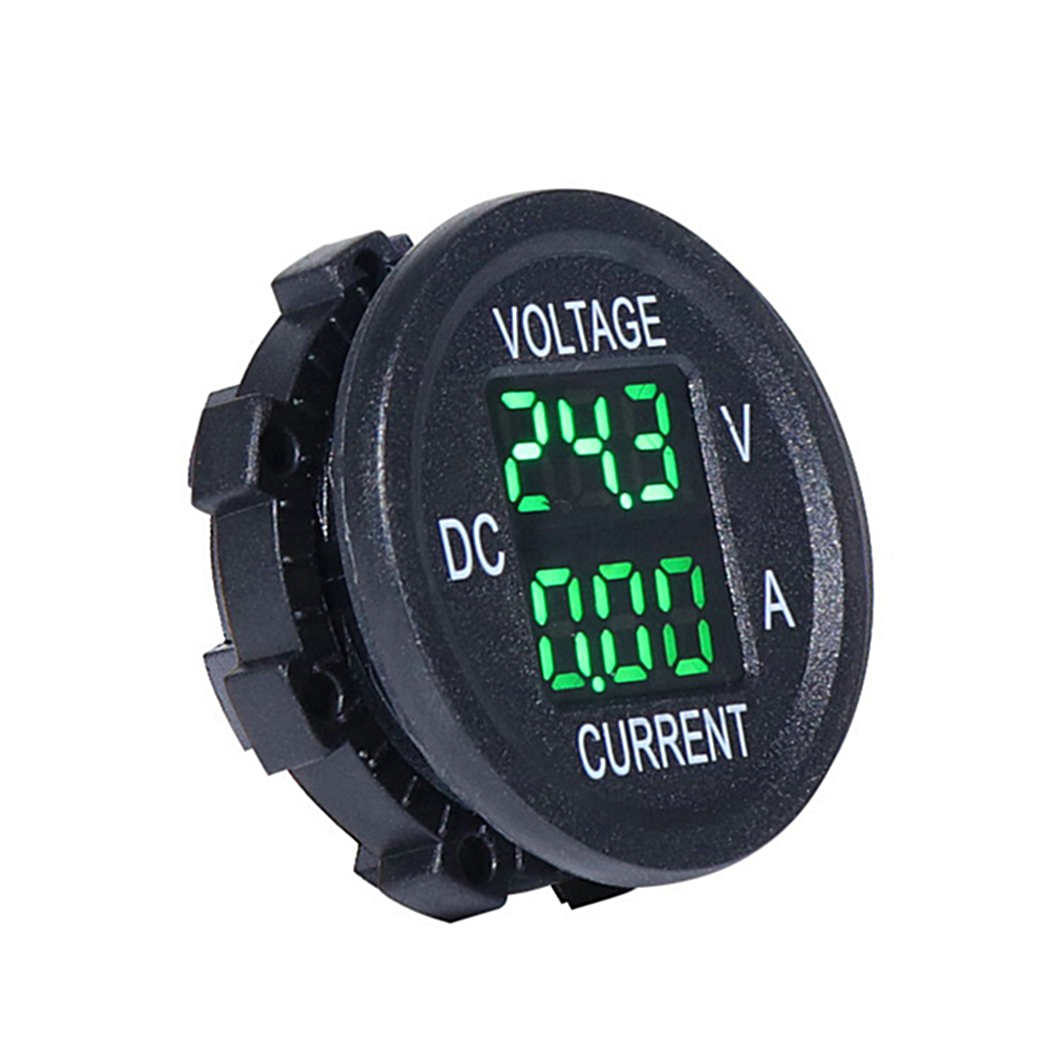 ations
Automotive Testing – Diagnose battery voltage and alternator performance.
Home Electrical Work – Check outlets, wiring, and appliance power draw.
Industrial Maintenance – Monitor machinery and prevent overloads.
Renewable Energy Systems – Track solar panel output and battery charging.
Troubleshooting Tips
No Reading? Check connections, battery, and fuse.
Inaccurate Readings? Calibrate or replace the meter.
Overload Warning? Switch to a higher measurement range.
Conclusion
Choosing the right voltmeter or ammeter depends on your specific needs—whether for DIY projects, professional electrical work, or industrial use. By understanding the different types, key features, and applications, you can make an informed decision and ensure accurate, safe measurements.
Looking for a reliable digital multimeter, clamp meter, or panel meter? Browse our selection of high-quality voltage testers, current meters, and electrical testing tools to find the perfect fit for your needs!