

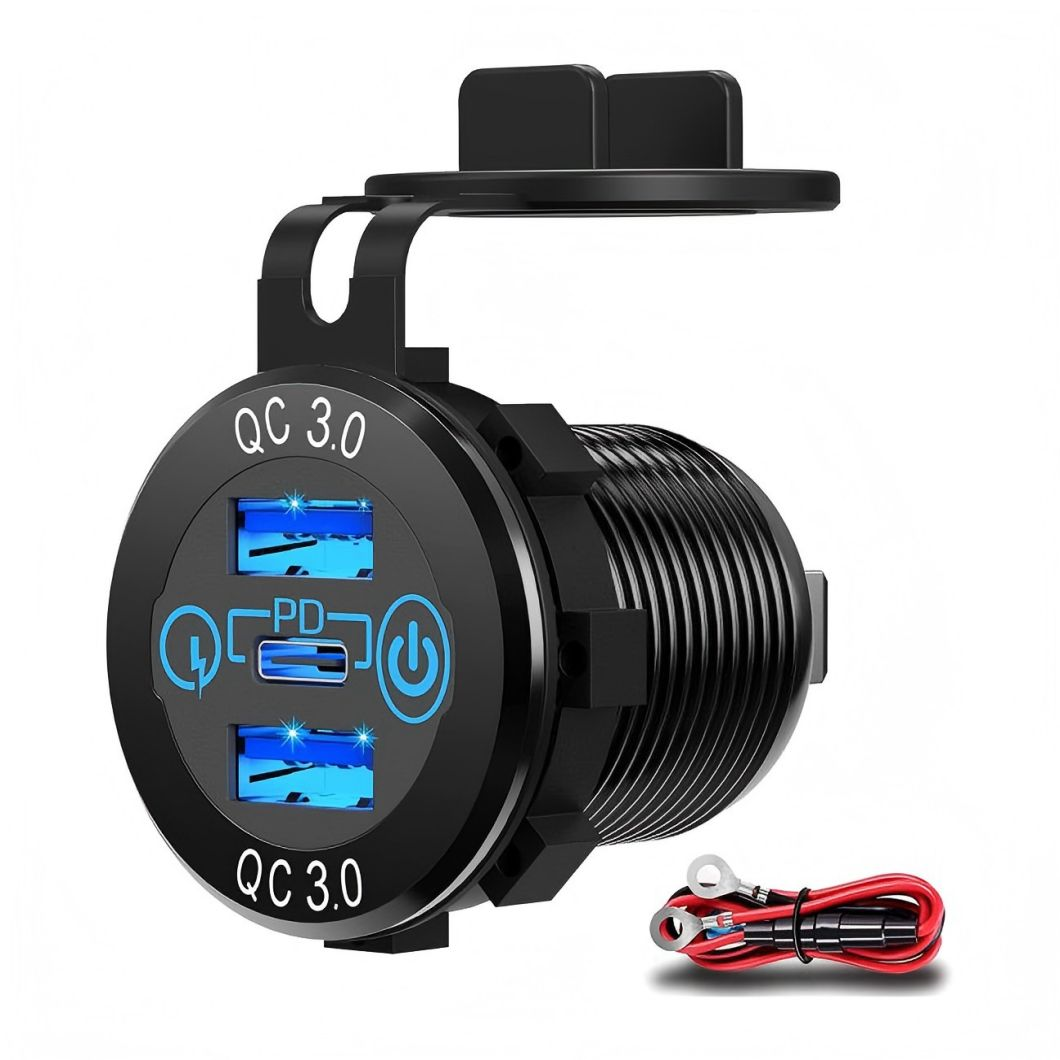
What are the main features of digital displays, and which one has stronger functionality?
1. Display is intuitive and clear
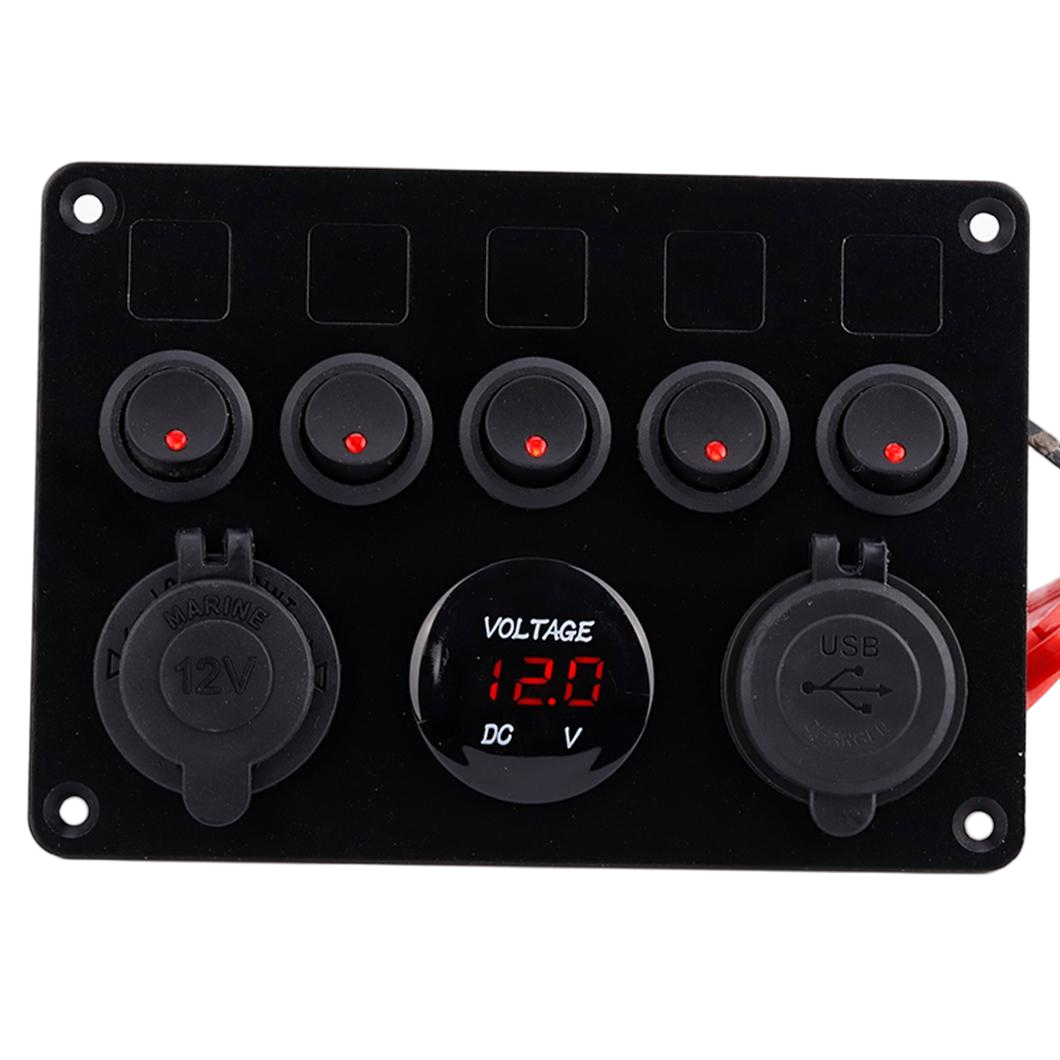
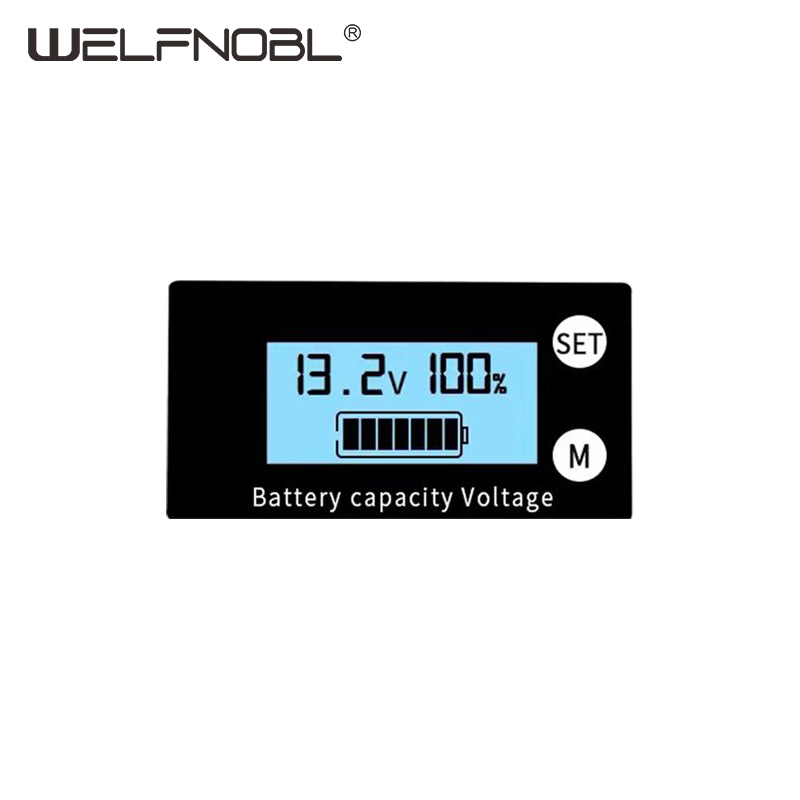
Digital Display: Measurement results (such as temperature, pressure, current, voltage, etc.) are directly displayed in digital form via LED or LCD screens. Compared to traditional analog instruments, this eliminates visual errors during reading and provides clear, instant data visibility.
Multi-information display: Some digital display instruments can simultaneously show measurement values, units, upper and lower limit alarm statuses, communication status, and other information, enabling users to quickly grasp the operational status of the equipment.
2. High Measurement Accuracy
The system employs high-precision sensors and A/D conversion chips, enabling accurate conversion of analog signals to digital signals with measurement errors typically controlled at 0.1% or even lower (specific accuracy varies by model), meeting the requirements for precision measurement.
· Possess strong anti-interference capabilities, reducing the impact of external electromagnetic interference on measurement results through design measures such as filtering and shielding, ensuring data stability.
3. Rich and Diverse Functions
Alarm Function: The system allows setting upper and lower alarm thresholds. When the measured value exceeds the defined range, it triggers alarms via audible and visual signals, relay outputs, or other methods to promptly alert users to address abnormal conditions.
Data Recording and Storage: Some high-end digital display instruments come with built-in memory, capable of recording historical measurement data, supporting queries and exports, facilitating data analysis and traceability.
Communication Functions: Equipped with communication interfaces such as RS485, RS232, and Ethernet, enabling connection to devices like PLCs, computers, and touchscreens for remote data transmission and centralized monitoring.
Flexible parameter settings: Users can adjust parameters such as measurement range, display precision, alarm thresholds, and sampling rates according to their needs, making it suitable for various application scenarios.
4. Easy Operation
Simple button operation: Parameters can be set, units can be switched, and zeroing can be performed with the buttons on the panel. Some products also support touch operation, further enhancing convenience.
User-friendly display interface: Some digital displays feature a backlight design, ensuring clear readings even in low-light conditions. They also allow switching between display modes (e.g., real-time value, maximum, minimum, average, etc.).
5. Strong Reliability
The design is compact, utilizing industrial-grade components that are suitable for harsh environments such as extreme temperatures, vibration, and dust, ensuring a long service life.
Equipped with protection functions such as overvoltage, overcurrent, and short-circuit, it prevents damage to the instrument caused by external faults and ensures stable system operation.
6. Wide Applicability
The measurable physical quantities are abundant, including temperature, humidity, pressure, flow rate, liquid level, current, voltage, resistance, frequency, etc., and are widely used in industries such as power, chemical, mechanical, metallurgy, environmental protection, and healthcare.
In summary, digital display instruments play a significant role in industrial automation and precision measurement due to their intuitive display, high-precision measurement, extensive functionality, and convenient operation, gradually replacing traditional analog instruments.